12 Best Memorial Ideas for Anniversaries
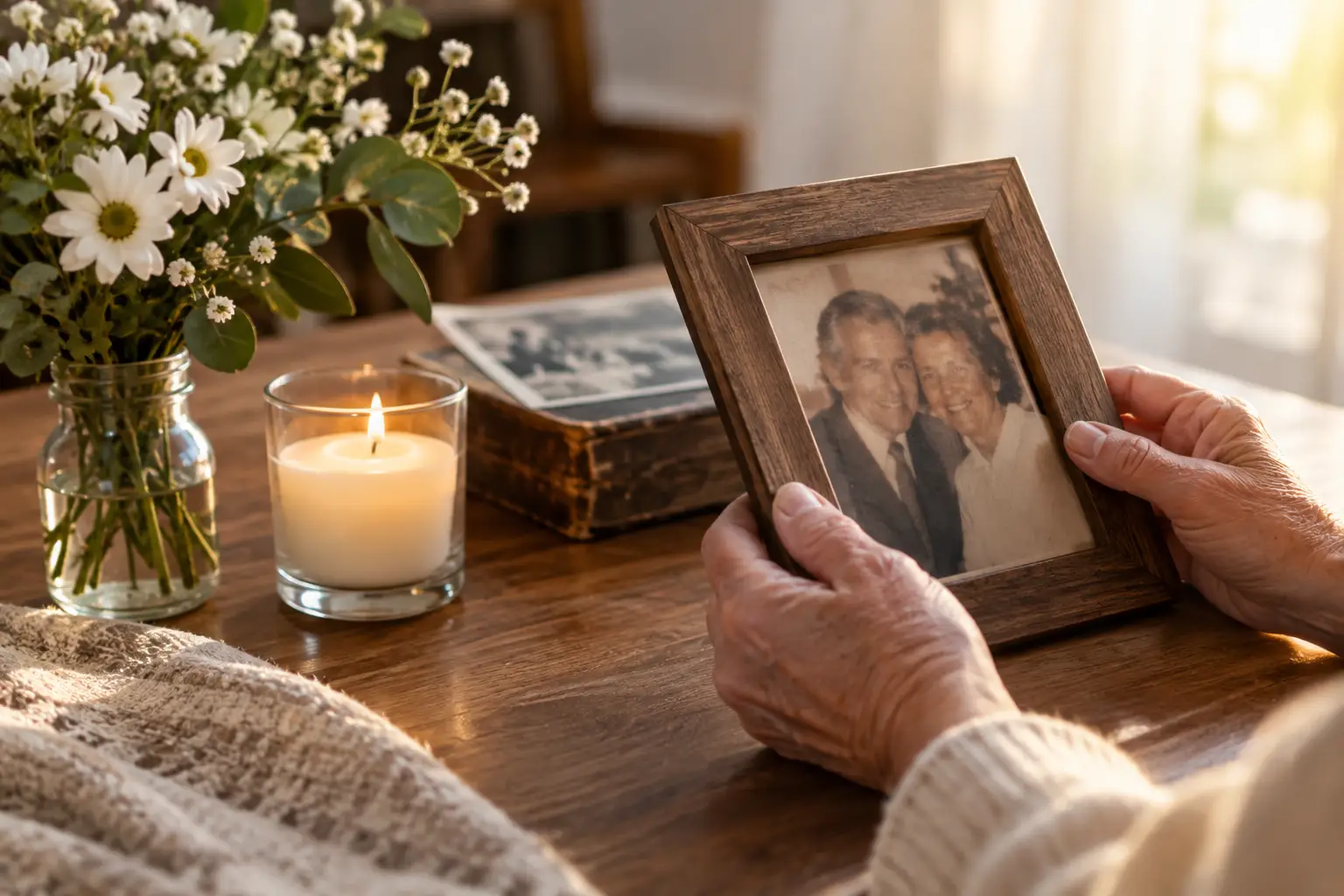
Meaningful anniversary memorial ideas include listening to a loved one's voice, recording shared memories with family, cooking the meal they loved, visiting a place that mattered, writing a letter, supporting a cause in their name, playing their music, or marking the day with a quiet ritual. There is no single right way; choose what sounds and feels like them.
The anniversary of a death can arrive with surprising force. It may be the anniversary of a death, a wedding, a birthday, or a day that changed your family forever. The best memorial ideas for anniversaries do not ask anyone to “move on.” They create a gentle, personal way to keep love present while making room for the feelings that come with remembering.
There is no single right way to honor someone on an anniversary. A private ritual may feel most comforting for one person, while another family may find healing in gathering, telling stories, or creating something that lasts. The most meaningful choice is usually the one that sounds and feels like the person you miss.
Best Memorial Ideas for Anniversaries That Feel Personal
1. Listen to their voice
A familiar voice can bring someone close in a way a photograph cannot. If you have saved voicemails, home videos, or recordings, set aside time to listen to one on the anniversary. You might hear a laugh, a favorite phrase, or the way they said your name.
If recordings of a loved one's voice do not exist, family members can record their own memories of that voice: what it sounded like when the person was proud, teasing, comforting, or telling a story. Small details like these can become a priceless part of a family archive.
2. Create a shared memory recording
For a shared memory recording, ask relatives and close friends to answer one simple prompt: “What is a moment with them that you never want to forget?” Each person can record an audio response from wherever they live.
A shared memory recording is especially meaningful when family members are spread across states or generations. A digital memorial page from VoiceForEternity can bring those recordings, stories, and messages together in one lasting place, allowing loved ones to return to them when they need comfort, not only on an anniversary.
3. Cook the meal they loved
On an anniversary, memory often lives in the senses. Make your loved one's favorite Sunday dinner, bake the dessert they always requested, or prepare a recipe they taught someone in the family.
You do not need to make an anniversary meal formal. Put your loved one's recipe card on the table, tell the story behind the dish, and let the meal be ordinary in the best possible way. A beloved meal can make room for laughter alongside grief.
4. Visit a place that mattered to them
A gravesite, garden, beach, park bench, house of worship, or hometown street can be a meaningful place to spend an anniversary. Bring flowers if that feels right, but do not feel obligated to make the visit look a certain way.
Some families visiting a meaningful place bring a letter. Others sit quietly for a few minutes or play a song. If traveling is not possible, look through photographs of that place and share what made it important.
5. Write a letter without trying to resolve everything
A letter to a loved one can hold the words that do not fit into daily life. Write about what has happened since they died, what you wish they could have seen, or what you are carrying now. You can thank them, ask questions, or simply say that you miss them.
Keep a letter to a loved one in a memory box, place it at a memorial site, or read it aloud in private. The purpose of the letter is not to produce a polished tribute. It is to give your relationship somewhere to speak.
6. Give their stories to the next generation
Anniversaries offer a natural opportunity to tell children and grandchildren more than the basic facts. Share the story of how your loved one met their spouse, what they were like as a child, the work they did, or the values they lived by.
Try to include the details that make a person real: the songs they sang off-key, their signature advice, the snack they kept in the kitchen, or the way they made people feel welcome. Personal details like these are the ones younger relatives may never know unless someone chooses to pass them on.
7. Make a memory walk
For a memory walk, choose a route connected to your loved one or simply take a walk somewhere peaceful. As you go, invite each person to share one memory, one lesson, or one thing they still notice because of that person.
A memory walk is helpful for people who find sitting face-to-face too intense. Moving together can ease conversation, especially for children and teens who may not know how to begin talking about loss.
8. Support a cause in their name
Make a donation, volunteer for an afternoon, assemble care packages, or perform a small act of service connected to what mattered to your loved one. A teacher might be honored through a classroom supply drive. An animal lover might be remembered through time at a shelter.
An act of service in a loved one's name works best when it reflects their real interests rather than what seems expected. The gesture does not need to be large. A meaningful act repeated each year can become a family tradition.
9. Create a living remembrance
To create a living remembrance, plant a tree, tend a rosebush, add a perennial to a garden, or bring home a houseplant that can grow with your family. Living memorials can feel especially comforting because they change with the seasons.
Consider the practical side before choosing a living remembrance. A large tree requires the right space and care, while a small potted plant may be easier for an apartment or for someone who travels often. The meaning comes from the attention you give it, not its size.
10. Make a photo-and-story album
Photos are powerful, but captions turn a set of photos into family history. Choose a small set of images and add the stories behind them: where the photo was taken, who was there, what happened just before or after the picture.
When making a photo-and-story album, avoid the pressure to organize every photograph at once. One anniversary might be devoted to a single year, vacation, or holiday. A smaller project is more likely to be finished and enjoyed.
11. Play the music that brings them back
Build a short playlist of your loved one's favorite songs or songs that remind you of specific times together. Listen alone, during a family dinner, or on a drive to a meaningful place.
Music can be intensely emotional on an anniversary, so give everyone permission to step away if it becomes too much. Grief is not measured by how long someone can stay in the room or how visibly they respond.
12. Mark the day with a quiet ritual
To mark the day with a quiet ritual, light a candle at dinner. Set an empty chair with a favorite flower. Take a moment of silence at the time your loved one died or at another meaningful hour. Small rituals can be easier to sustain than elaborate annual events.
The value of a small anniversary ritual is its consistency and honesty. Over time, a repeated ritual tells family members, especially children, that the person being remembered remains part of the family story.
How Do You Choose the Right Anniversary Memorial Idea?
To choose an anniversary memorial idea, start by considering the relationship and the emotional weight of the date. The first anniversary after a loss may call for privacy and low expectations. Ten years later, a larger gathering or storytelling project may feel right. Neither approach is more loving.
Think about what your loved one would have recognized as true to them. Someone who cherished conversation may be best honored through recorded stories. Someone who found peace outdoors may be remembered through a garden visit. Someone who cared deeply about community may be honored through service.
Consider who will participate in the anniversary memorial. A plan that includes young children, older relatives, or family members at a distance should be simple enough for everyone to join in their own way. Offering options, rather than assigning roles, keeps the day from feeling like an obligation.
Let the Memorial Change as Your Family Changes
An anniversary tradition does not have to remain identical forever. A yearly graveside visit may later become a family meal. A private letter may grow into an audio archive of shared stories. As new children are born and older relatives pass on, the way you remember can expand too.
What matters on an anniversary is not creating a perfect tribute on one difficult day. What matters is choosing an act of remembrance that protects the connection you still carry. A voice, a story, a recipe, a walk, or a simple candle can quietly say what the heart already knows: the person being remembered is loved, and they are not forgotten.
Drafted with AI assistance and reviewed by Steve. Learn more