Digital Memorial With Voice Recordings
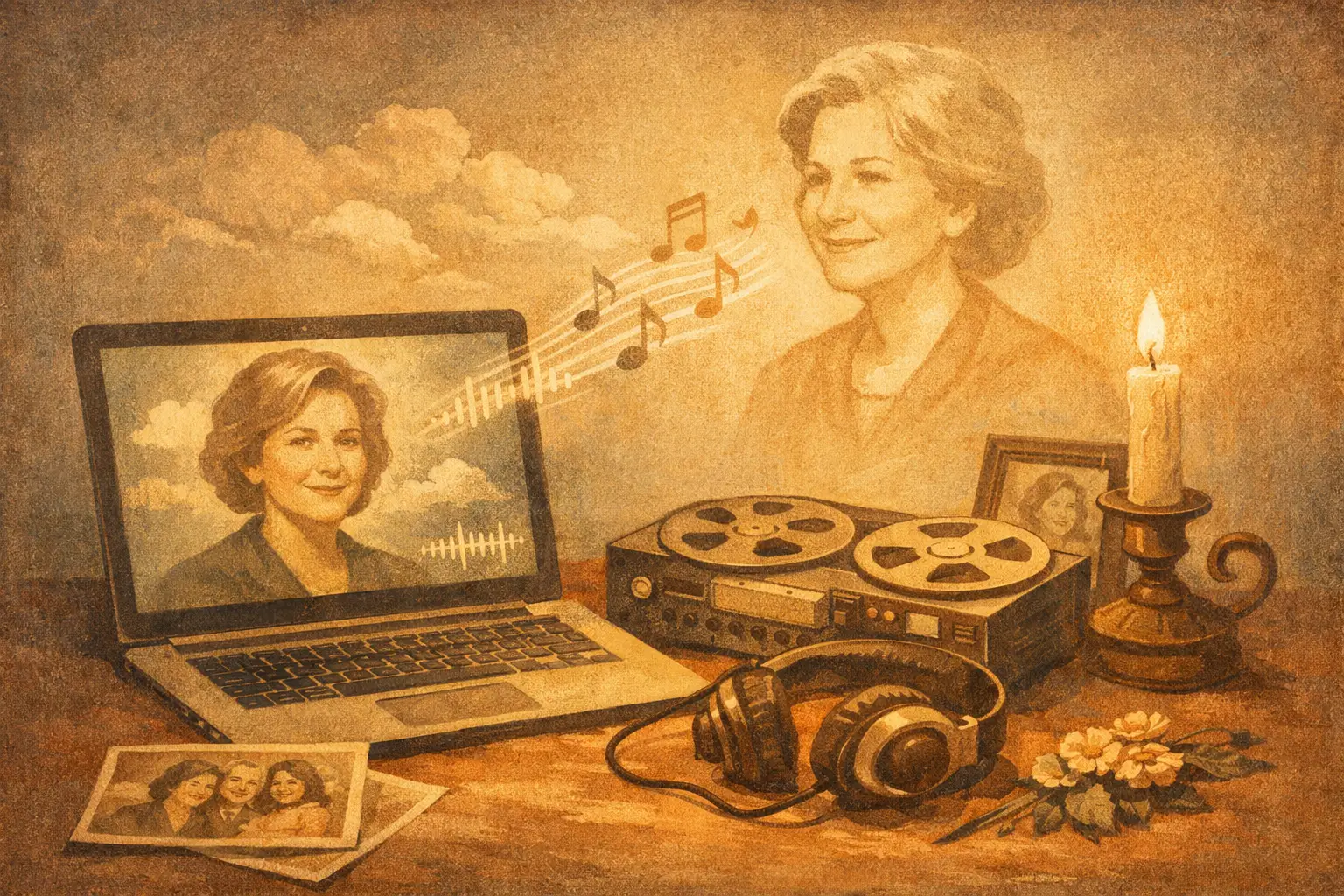
There is a moment many families know too well - when you realize you can still picture their face, still remember what they wore, but their voice is already getting harder to hold onto. That is why a digital memorial with voice recordings can mean so much. It preserves more than facts about a life. It keeps the sound of a person’s presence close - the laugh, the pause before a story, the way they said your name.
For many people, traditional memorials feel incomplete. A headstone matters. An obituary matters. Printed photos matter. But none of those can carry the warmth of a spoken memory or the comfort of hearing a familiar voice again. Audio brings back something text alone cannot. It makes remembrance feel personal, immediate, and deeply human.
Why a digital memorial with voice recordings matters
Grief is often tied to small details. A favorite phrase. A bedtime story. A father’s advice given in a steady tone. A grandmother remembering her childhood in her own words. These are not minor things. They are often the very parts of a person that family members miss most.
A digital memorial with voice recordings gives those moments a lasting home. Instead of scattering recordings across old phones, text threads, email attachments, and social media accounts, families can keep them together in one place. That simplicity matters, especially when people are grieving or trying to coordinate across different households and generations.
It also creates a different kind of memorial experience. Rather than only reading dates and biographies, loved ones can listen. They can hear wedding memories, military stories, family recipes, words of faith, jokes, and messages meant for children and grandchildren. The result is not just a record of someone’s life. It feels closer to time spent with them.
What makes voice different from photos and text
Photos capture appearance. Writing captures information. Voice captures identity.
That distinction is why audio can be so powerful in a memorial setting. The human voice carries emotion in a way few other formats can. You hear tenderness, humor, strength, and personality all at once. Even a short recording can reveal more than a page of text.
This is especially meaningful for families with younger children or future generations who may not have many memories of the person themselves. A child may not remember a grandfather’s face clearly over time, but hearing his voice tell a story can build a connection that still feels real. For adult children, hearing a parent offer reassurance or tell family history in their own words can become one of the most treasured keepsakes they have.
Still, there is a trade-off to consider. Audio can feel more emotional than photos or text, which means some family members may not feel ready to listen right away. That is normal. A well-made memorial should allow space for both closeness and timing. The value is not in forcing interaction, but in knowing the voice is safely preserved when someone is ready.
What to include in a digital memorial with voice recordings
The best memorials usually do not begin with polished speeches. They begin with real moments. A simple answer to a question. A memory shared over the phone. A story recorded in a quiet afternoon at home.
Families often include life stories, personal messages, holiday memories, marriage stories, military service reflections, words of encouragement, and everyday recollections that would otherwise disappear. Some choose to record guided conversations before a loss. Others gather voicemails, saved clips, and spoken tributes afterward.
Both approaches are valid, and each has its own emotional shape. Recording in advance gives the person a chance to speak in their own voice with intention. Building a memorial after loss can become a collaborative act of remembrance, with family members contributing recordings, stories, and reflections from different places.
In many cases, the strongest memorial pages combine several elements together. Voice is the heart of the experience, but photos, written context, names, dates, and story summaries help organize everything in a way that feels easy to return to. When done well, the memorial does not feel technical. It feels welcoming.
How families actually use these memorials
Some families create a memorial page soon after a funeral so relatives across the country can listen, contribute, and remember together. Others use it more quietly, as a private family archive that can be revisited on birthdays, anniversaries, and ordinary days when someone is simply missed.
A digital memorial can also extend the physical place of remembrance. When a memorial page is connected to a QR plaque placed on a headstone, urn, garden marker, or columbarium niche, visitors can access the person’s stories and recordings right from that location. That changes the experience in a meaningful way. A gravesite remains a place of reflection, but it can also become a place of connection.
For many families, this matters because modern life is spread out. Children move away. Grandchildren grow up in different states. Friends and relatives cannot always gather in person. A memorial that can be visited from anywhere helps keep remembrance active across distance and time.
That said, not every family wants public access. Privacy preferences vary, and they should. Some want a page meant only for close relatives. Others want a broader circle of friends to be able to listen and contribute. The right memorial setup is the one that respects the family’s comfort level while making access simple enough that people will actually use it.
What to look for when choosing a platform
If you are considering a digital memorial with voice recordings, permanence should be one of the first questions you ask. Families are not looking for another account to manage forever or another monthly charge that creates uncertainty. They want confidence that what they preserve today will still be there years from now.
Ease of recording matters too. The process should not require studio equipment or technical skill. Browser-based and phone-based options are especially helpful because they let loved ones contribute from wherever they are. That can make a major difference when time is short or family members live far apart.
Organization is another practical concern. A handful of recordings is manageable. Dozens of stories from multiple relatives can quickly become confusing if they are not labeled and arranged clearly. Good memorial tools make it easy to sort recordings, add context, and build a page that feels coherent rather than cluttered.
It also helps to look for family collaboration features. Remembrance is rarely a one-person task. One sibling may upload photos, another may record stories, and a grandchild may add a favorite memory. When a platform supports that kind of shared participation, the memorial becomes richer and more representative of the life being honored.
VoiceForEternity was built around this idea that remembrance should be both deeply personal and simple to create, with the human voice at the center rather than treated as an extra.
When to create one
Many people assume memorial preservation begins after someone has died. Often, the best time is earlier.
If a parent, grandparent, spouse, or close relative is aging, facing illness, or reflecting on their life, this can be a gentle and meaningful gift. It gives them the chance to tell stories in their own way, leave messages for future milestones, and pass down memories before they are lost. Families are often relieved to find that the process does not need to feel formal or heavy. It can begin with one question, one recording, one conversation.
And if a loss has already happened, it is still not too late. Saved voicemails, family videos, old recordings, and spoken tributes can all become part of a memorial that brings comfort now and preserves connection for the years ahead.
The most meaningful memorials are not always the most elaborate. They are the ones that keep a real person close in a real way. When you can hear their voice, remembrance becomes more than memory. It becomes presence, returned to the family again and again.