How to Protect Voice Recordings for Years
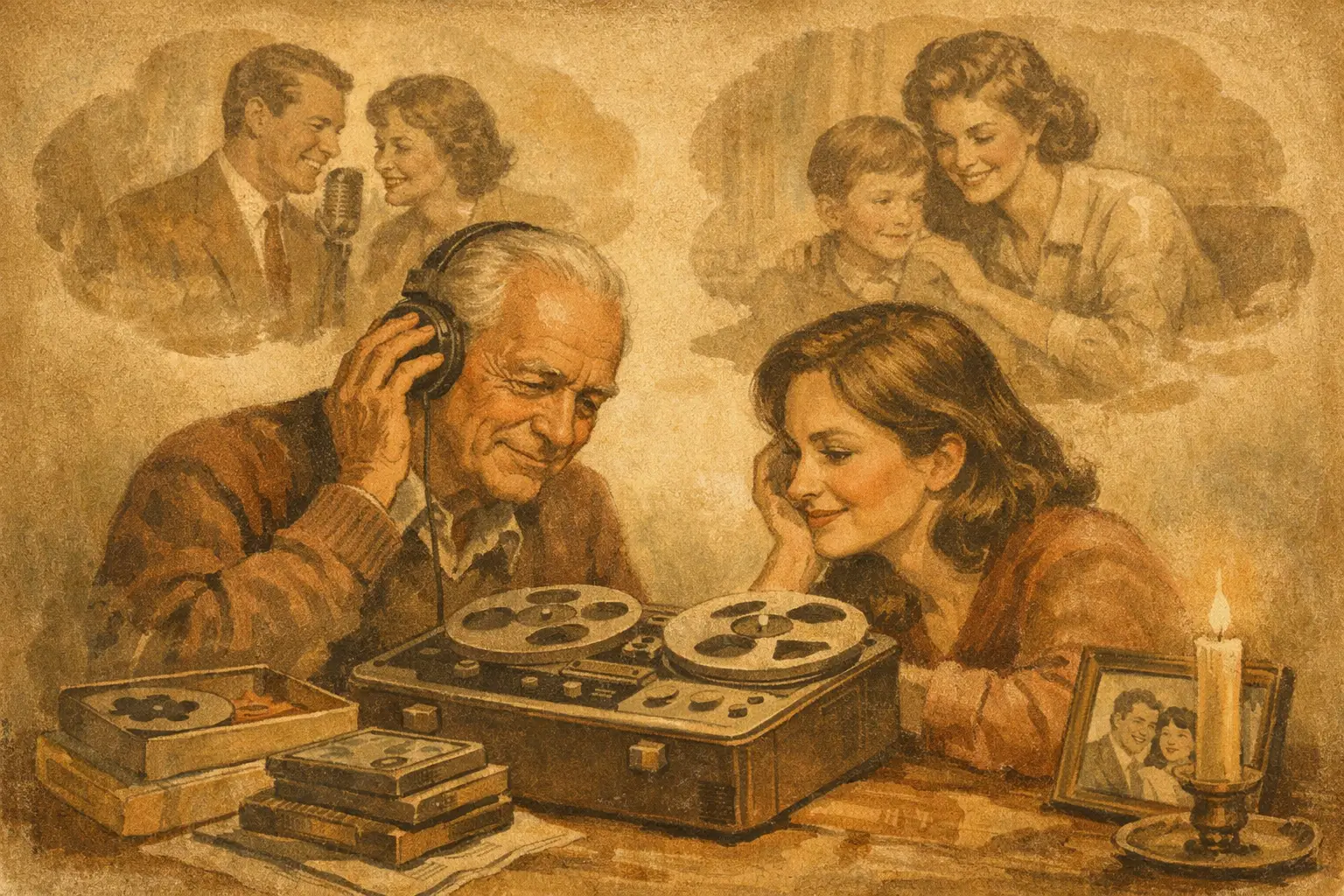
A voice can bring someone back into the room in a way a photograph cannot. The familiar laugh before an answer, a nickname spoken just right, a story told in their own rhythm - these details become more precious with time. To protect voice recordings is to care for something deeply personal: a living piece of someone’s presence.
A recording saved on one phone, in one text thread, or on a single computer is vulnerable. Devices break, accounts change, and family members may not know where files are stored. A few thoughtful decisions now can help ensure that a parent’s stories, a spouse’s message, or a grandparent’s advice remains available to the people who will treasure it most.
Start with recordings that matter most
Do not wait for a perfect interview, a special occasion, or professional equipment. The most meaningful recordings are often simple: a loved one describing their childhood home, telling a family recipe from memory, reading a favorite poem, or leaving a message for a future grandchild.
If time or energy is limited, begin with the voice recordings that cannot be replaced. Save old voicemails, recordings from family gatherings, and videos where a loved one is speaking clearly. Then create a few new recordings around the subjects that carry their personality. Ask what they remember about their parents, how they met their partner, what they want younger generations to understand, and what has brought them joy.
Short sessions are usually kinder than a long formal interview. Ten minutes at the kitchen table can feel natural. Let silence happen. The small asides, laughter, and corrections often become part of the memory.
How to protect voice recordings from loss
The safest approach is not a single app or storage location. It is a simple plan with more than one copy, clear organization, and a way for the right people to find the recordings later.
Keep the original file
Whenever possible, save the original recording in addition to any version you share or edit. Messaging apps and social platforms may compress audio, which can reduce sound quality. Download voicemail files and recordings from phones before changing devices or closing an account.
Name each file in a way another family member can understand. A filename such as Grandma_Rose_childhood_stories_March_2026 is much more useful than audio_0047. Include the speaker, topic, and approximate date. If several people are talking, note that as well.
Use more than one storage location
A practical rule is to keep at least three copies: the original on a personal device, another in a secure cloud account, and a third in a separate location such as an external hard drive or trusted family archive. The copies do not have to be complicated. What matters is that one lost phone or failed computer does not take the recording with it.
Cloud storage makes sharing easier, especially when family members live in different states. But it also depends on account access. Make sure at least one trusted person knows where recordings are kept and how to reach them if you are unavailable. Store account recovery details carefully, rather than placing passwords in a note beside the files.
An external drive adds protection from account problems or accidental deletion. Check it once or twice a year. Technology changes, and a drive that sits untouched for a decade may not be as dependable as it once was.
Organize the story around the sound
Audio files are easier to revisit when they have context. Alongside each recording, keep a brief written note with the date, people involved, place, and subject. A two-sentence description can spare future family members from guessing whether a recording captures a birthday toast, a hospital room conversation, or a cherished family story.
Consider organizing recordings into simple folders: childhood, family stories, life lessons, celebrations, messages for loved ones, and favorite readings or songs. Avoid overcomplicating the system. A structure your family will actually use is better than an elaborate archive no one understands.
For longer recordings, write down a few timestamps. For example: “At 08:14, Dad explains how he got his first job.” These small markers make it easier for children and grandchildren to return to the moments that matter.
Protect privacy as carefully as the files
A voice recording may include private health information, family conflict, financial details, or stories a person only intended for close relatives. Preservation does not always mean broad sharing.
Ask a loved one how they want their recordings handled. They may be comfortable with family listening but not public posting. They may want a message shared only after their death, or a particular story reserved for a child or spouse. Honor those wishes in writing, even if the note is simple.
If you are recording someone in a sensitive setting, tell them when you are recording and why. Consent is both a practical safeguard and an act of respect. The purpose is not merely to collect content. It is to preserve their voice with dignity.
It also helps to separate private recordings from those intended for a memorial. A family archive can hold every kind of memory. A public or QR-linked memorial page may be best for selected stories, greetings, and messages that a loved one would be proud to share with visitors.
Plan for access, not just storage
Many digital archives fail for a simple reason: the files exist, but no one can locate or open them. A complete plan answers a few human questions. Who owns the recordings? Who can add to them? Who will care for them if the original organizer dies? Who should be able to listen?
Choose one or two family stewards and tell them where the archive lives. Include the recordings in broader estate or legacy planning when appropriate. This does not need to be formal or overwhelming. A letter of instruction can identify the folder, the storage method, and the person responsible for maintaining access.
For families creating a permanent remembrance space, a dedicated memorial archive can provide more than storage. VoiceForEternity allows families to record, organize, and share stories through a QR-linked memorial page, creating a place where relatives can return to hear the person behind the name and dates. This can be especially meaningful when families are spread apart or when a grave marker, urn, garden, or niche becomes a place of remembrance.
There is a trade-off to consider. Broadly accessible memorial pages make it easier for friends and future generations to listen, while private archives give a family more control over intimate material. Many families benefit from both: a carefully chosen public-facing collection and a deeper private archive held close.
Refresh the archive as life changes
Protecting recordings is an ongoing act of care, but it does not need to become a burden. Set one calendar reminder each year to check that files open, backups are current, and trusted family members still have the information they need. If you change phones, email addresses, or cloud providers, move the archive before closing the old account.
Use that annual check-in as a reason to add another voice memory. A birthday question, an anniversary reflection, or a conversation after Sunday dinner can become part of the collection. Families often believe they need a dramatic final message, when what they need most is the everyday voice they know and love.
A well-protected recording does more than survive a device upgrade or a forgotten password. It gives someone, years from now, the chance to press play and hear love in its original voice.