Why a Voice Archive for Dementia Families Matters
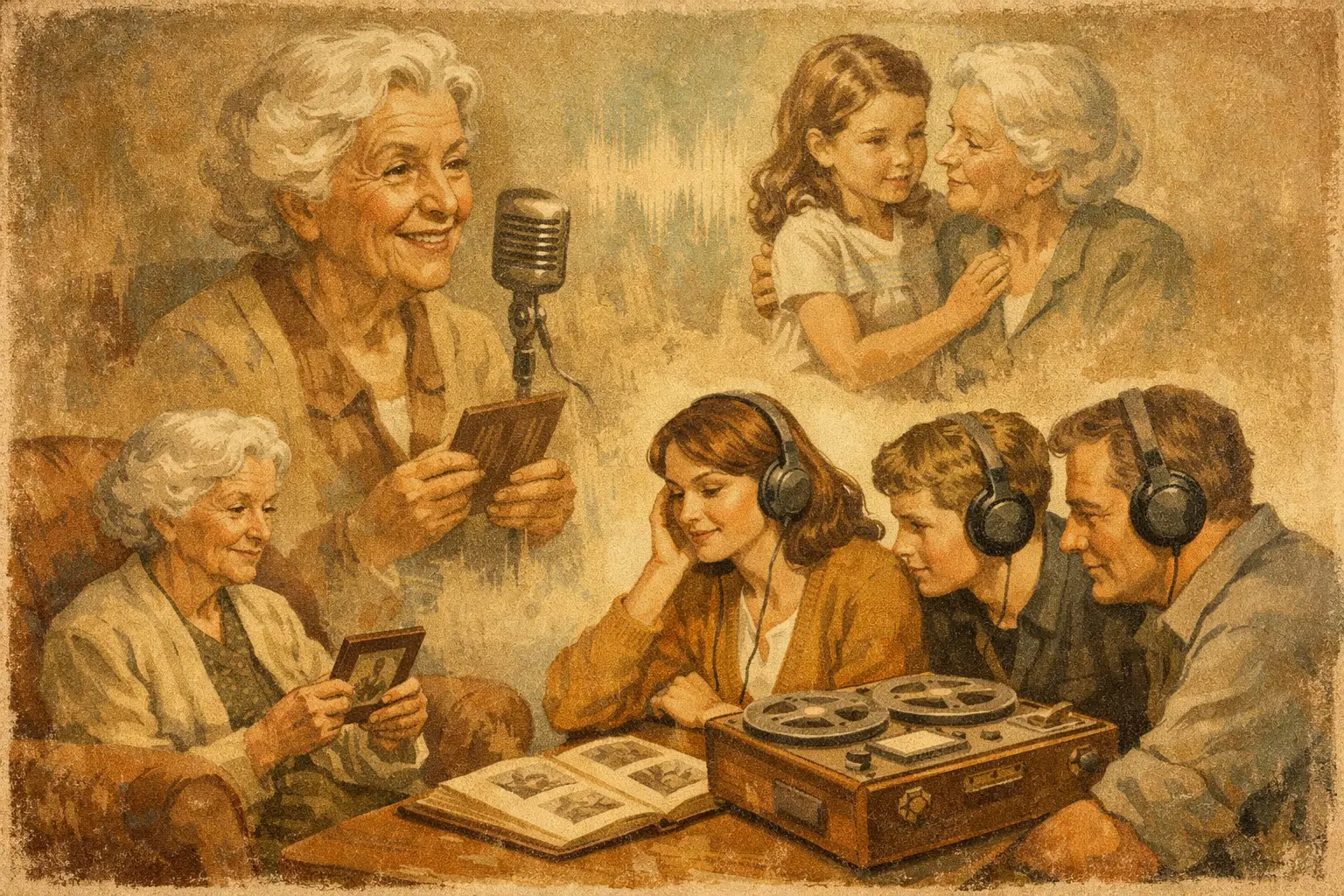
A diagnosis can make time feel suddenly different. A voice archive for dementia families gives that time a gentle purpose: preserving the familiar phrases, stories, laughter, and reassurance that make someone unmistakably themselves. Even when memories become harder to reach, a voice can still carry warmth, humor, faith, and a lifetime of connection.
For many families, the regret is not that they failed to collect every fact. It is that they can no longer hear the way Dad said goodnight, the cadence of Grandma telling a childhood story, or the message a spouse always left at the end of a call. Recording now can create something lasting without turning every conversation into a difficult task.
Why a voice archive matters when memory changes
Dementia affects each person differently. Some people remain expressive and conversational for years. Others may have trouble finding words, lose track of a story, or become tired quickly. That uncertainty is one reason voice preservation can be so meaningful: it makes room for what is present today rather than waiting for the perfect moment.
A recording does not need to be polished to be precious. A pause, a familiar laugh, a repeated phrase, or a gentle correction can become part of the memory your family treasures. The goal is not to document decline. It is to honor identity.
Voice also reaches people in a way text often cannot. A written recipe may preserve the ingredients, but hearing a mother explain why she always added extra cinnamon can bring her presence back into the room. A photo may show a grandfather in uniform, but his own voice describing the friends he served beside gives the image a deeper life.
For children and grandchildren, these recordings can become a bridge to family members they may one day struggle to remember clearly. They hear not only what their loved one knew, but how they loved.
Start with comfort, not a formal interview
The best recordings often begin during ordinary moments: sitting at the kitchen table, looking through old photographs, folding laundry, taking a short drive, or sharing coffee. A microphone can feel intimidating if it arrives with a long list of questions and an expectation to perform.
Ask permission first, and make it easy to say no. You might say, “I love hearing you tell that story. Would you be comfortable if I recorded it so the family can keep it?” If the answer is uncertain, let the moment go. Respect and consent matter more than completing a recording.
Keep sessions short. Ten calm minutes can be more valuable than an exhausting hour. Follow your loved one’s energy, and stop while they still feel comfortable. If they repeat a story, listen again. Repetition can be frustrating for caregivers, but it may also point to a memory that feels especially safe or important.
Avoid correcting details unless the person asks for help. If the date is wrong or a name is mixed up, the emotional truth of the moment may still be intact. A voice archive is not a legal record or a medical assessment. It is a family remembrance, made with tenderness.
Questions that invite a real voice
Broad questions can feel overwhelming, especially when word-finding is difficult. Gentle, specific prompts are usually easier. Try asking about a favorite food, a first job, a beloved pet, a holiday tradition, or the neighborhood where they grew up.
Photos, music, recipes, keepsakes, and familiar objects can help awaken memories. Instead of asking, “Tell me about your childhood,” place an old school picture nearby and ask, “What do you remember about this day?” Instead of asking for advice in general, try, “What did you always want us to remember about family?”
Messages recorded directly for loved ones can be especially powerful. A simple “I love you,” a birthday greeting for a grandchild, a prayer, or a wish for the future may take only a minute to record. It can remain meaningful for generations.
Preserve everyday sounds, too
Families often focus on life stories, and those stories matter. But everyday recordings can be just as irreplaceable. Capture a loved one singing part of a favorite song, reading a familiar book, explaining how they make a signature dish, or talking with a pet.
Consider recording the small rituals that define home. Perhaps it is the way your mother welcomes people at the door, your father’s Sunday morning greeting, or a spouse’s cheerful reminder to bring a jacket. These are not minor details. They are the sounds of belonging.
If speech becomes limited, do not assume recording is no longer worthwhile. A hum, a laugh, a few spoken words, or a moment of shared conversation may still hold profound meaning. The archive can reflect the full person and the reality of the journey, without reducing them to a diagnosis.
Organize recordings while their context is clear
A phone can collect many recordings quickly, but files without names or context can become difficult to revisit. After each recording, add a clear title, date, and a brief note about who was present or what prompted the conversation. “May 2026 - Dad describing his first apartment” will mean more later than “audio_0421.”
Organize recordings by themes that feel natural to your family: childhood, work, love stories, traditions, advice, favorite sayings, or messages for grandchildren. You do not have to finish everything at once. A voice archive grows one meaningful moment at a time.
It also helps to decide who should be able to contribute. Siblings living in different states may each hold different memories and questions. A cousin may have old photographs that prompt stories no one else would think to ask. Family collaboration can make the process feel less lonely and create a fuller portrait of the person you love.
At the same time, choose a trusted person to oversee organization and privacy. Not every recording needs to be shared widely. Some messages are meant for a spouse, a child, or a small circle of family. Thoughtful access protects both dignity and intimacy.
Choose a home built for lasting remembrance
A voice archive deserves more than an unmarked folder or a device that may eventually be replaced. Backups matter, but so does creating a simple place where family members can listen, add context, and return to the stories without hunting through old files.
VoiceForEternity helps families record and organize a loved one’s voice, stories, and personal messages in a permanent digital memorial. Family members can contribute from wherever they live, while a QR-linked memorial page can make those recordings available at a grave, urn, garden memorial, or other place of remembrance. The experience is designed to keep the human voice at the center, not buried beneath technology.
When comparing preservation options, ask practical questions. Will recordings be easy for family members to find? Can you organize them with photos and story details? Who controls access? Is there a recurring subscription that could create uncertainty later? A one-time model can offer reassurance for families seeking a lasting memorial rather than another account to manage.
No platform can remove the grief of memory loss. What it can do is protect the moments you are still able to share, giving them a home that remains available when someone needs to hear that voice again.
Let the process be an act of presence
It is easy to postpone recording because the subject feels emotional, or because you believe you need better questions, better equipment, or more time. Usually, a quiet conversation and a phone are enough to begin.
Some days your loved one may not want to talk. Other days, a familiar song or photograph may open a door you did not expect. Meet each moment as it comes. Listen closely. Let silence be part of the conversation when it needs to be.
The recording you make this week may not feel extraordinary while you are making it. Years from now, it may be the voice that helps someone feel close to home.