Audio Legacy Benefits That Keep Families Close
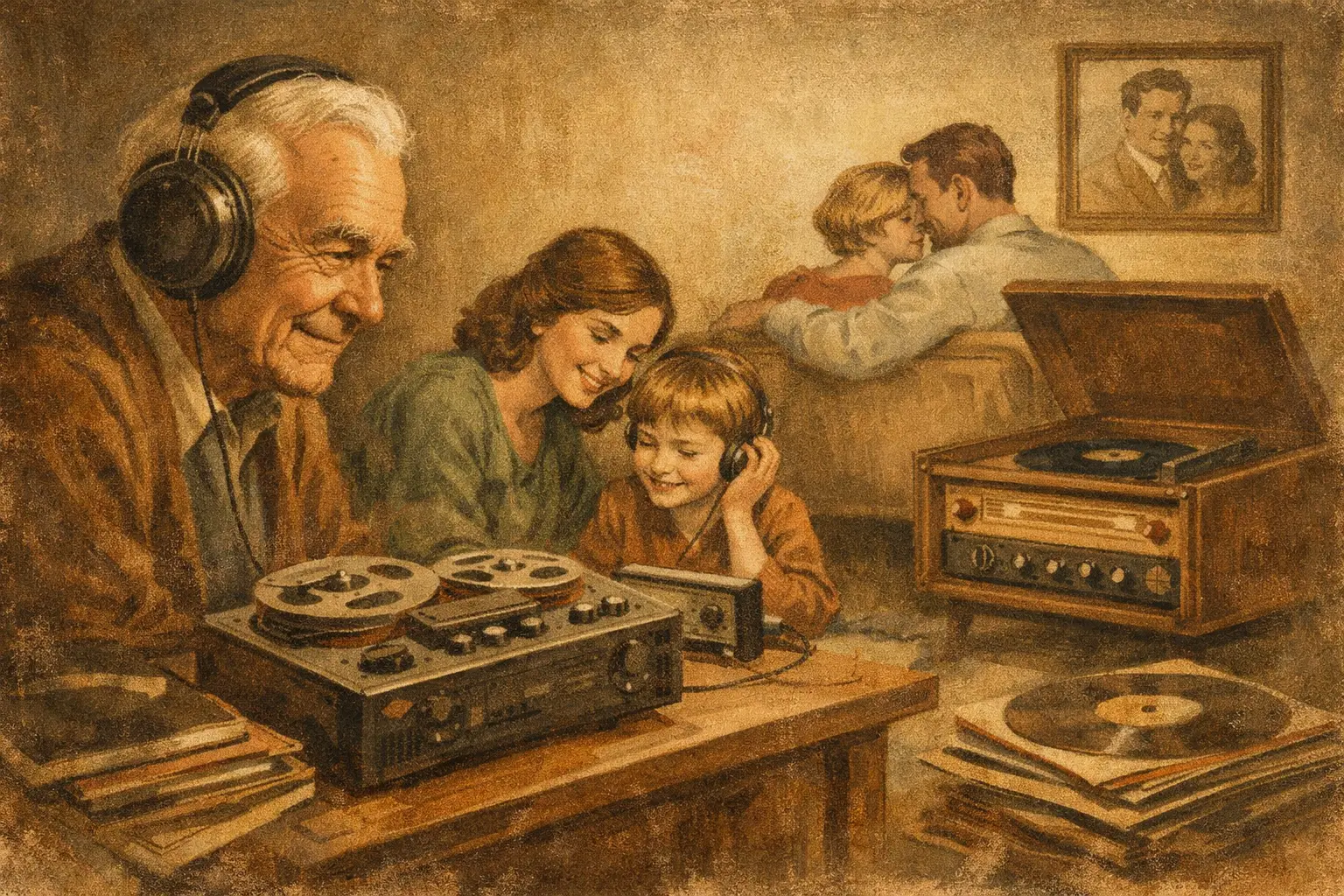
A photograph can show a familiar smile. A written memory can preserve a favorite saying. But hearing someone say your name in their own voice can bring back a sense of closeness that words on a page cannot always hold. That is at the heart of audio legacy benefits: preserving not only what a person said, but the warmth, humor, rhythm, and personality behind every memory.
For families, a voice recording can become a living part of remembrance. It gives children, grandchildren, and future generations a way to hear the person behind the stories - not simply read about them. Whether recordings are made during a season of illness, gathered as a birthday gift, or created as part of memorial planning, they can hold moments that remain deeply personal for years.
Why a Voice Is Different From a Written Memory
Text is valuable. It can document dates, family history, accomplishments, and cherished messages with clarity. Yet a voice carries details that are difficult to capture in writing: the pause before a joke, the laugh after a familiar story, the tenderness in a parent’s reassurance, or the accent that made a loved one unmistakably themselves.
This is why an audio legacy feels less like an archive and more like a visit. A granddaughter may hear her grandfather describe his first job. A son may replay his mother’s advice before a major life event. A family separated by distance may gather around the same recording and feel connected to one another through the person they miss.
The value is not limited to a perfect recording or a polished life story. Often, the most meaningful clips are simple. A favorite recipe explained in a kitchen. A memory of meeting a spouse. A message for a new baby who has not yet arrived. Everyday speech has a permanence of its own when it belongs to someone irreplaceable.
Audio Legacy Benefits for the Whole Family
A thoughtfully preserved voice supports different members of a family in different ways. For the person recording, it can be a chance to share what matters most in their own words. For relatives, it can offer comfort, clarity, and a way to keep returning to a relationship that shaped them.
It Preserves Identity, Not Just Information
Families often inherit facts: where relatives lived, what work they did, when they married, and which traditions they loved. Those facts matter, but they do not always reveal the person fully. Hearing someone tell the story themselves adds character and context. Their voice may reveal pride in a hard-earned accomplishment, affection for a sibling, or the gentle mischief behind a family legend.
An audio legacy makes room for personality. It lets a loved one be remembered as a whole person rather than a list of milestones.
It Creates Comfort That Can Be Revisited
Grief does not move in a straight line. A recording that feels too difficult to hear at first may become a source of peace months or years later. There is no required timeline for listening. Family members can return when they are ready, privately or together.
This can be especially meaningful after a loss, when the sound of someone’s voice is often one of the first things people fear they will forget. Preserving recordings early does not lessen the pain of losing someone. It does offer a gentle way to keep their presence within reach.
It Invites Stories Across Generations
Children and grandchildren may have questions long after a loved one is gone. What was school like for them? How did they meet their partner? What values guided their choices? What did they hope the family would remember?
A recorded answer lets future listeners encounter family history directly. Instead of receiving a secondhand account, they can hear the original storyteller. This can make heritage feel personal and immediate, particularly for younger relatives who never had the chance to meet the person speaking.
It Makes Memorials More Personal
Traditional memorials provide an important physical place for reflection. A name, dates, and an inscription can honor a life with dignity. Adding a voice recording through a permanent QR-linked memorial page can bring another dimension to that place.
A visitor may scan a plaque and hear a short welcome, a favorite story, a prayer, a song introduction, or messages recorded for family. The experience remains respectful of the setting while offering something a static marker cannot: the person’s own voice.
At VoiceForEternity, families can record, organize, and share these moments through a memorial page connected to an engraved plaque. The purpose is simple: create a lasting place where memories can be heard, not only read.
When to Begin Recording a Loved One’s Voice
There is no single right moment. Some families begin while an aging parent is healthy and eager to share stories. Others start after a diagnosis, when preserving messages feels more urgent. Many make recordings during holidays, reunions, anniversaries, or milestones, when relatives are already gathered and conversation comes naturally.
Beginning sooner often gives everyone more ease. It removes the pressure to capture an entire life in one sitting and allows stories to unfold over time. A person can record a few minutes today, then add another memory next month. Small recordings can become a rich collection.
Still, even if time is limited, a brief message can carry enormous meaning. You do not need a studio, a script, or a flawless voice. You need a quiet moment, a question worth asking, and permission for the person you love to speak honestly.
Questions That Bring Meaningful Stories Forward
Open-ended questions usually create better recordings than asking someone to summarize their entire life. Start with a specific memory, place, or person. Ask what they remember, what surprised them, or what they want others to understand.
You might ask about their childhood home, the family tradition they hope continues, the lesson they learned from a difficult season, or the moment they felt most proud. You can also invite a message for a spouse, child, grandchild, or friend.
Listen without rushing to fill quiet moments. A pause is often where the real story begins. If a memory leads somewhere unexpected, follow it. The goal is not to conduct an interview perfectly. It is to make space for a loved one to be heard.
Practical Choices That Protect the Recording
The emotional value of an audio legacy deserves practical care. A voice memo saved on one phone can be meaningful, but it may be hard for others to find, organize, or access later. Devices are replaced, passwords are forgotten, and scattered files can leave families unsure which recordings are most important.
Choose a preservation method designed for long-term family access. Look for clear ownership, simple ways for relatives to contribute, organized story collections, and a plan that does not depend on an ongoing subscription to keep memories available. Permanent access matters because a legacy should not feel uncertain.
It also helps to decide what should remain private and what can be shared. Some recordings are meant for the whole family or for a memorial page. Others may be personal messages intended for one person. A thoughtful system should honor both connection and boundaries.
A Lasting Gift Before and After Loss
An audio legacy is not only for end-of-life planning. It can be a meaningful gift for a parent’s birthday, a grandparent’s anniversary, a retirement, or a family reunion. Recording someone while they are present turns remembrance into an act of appreciation, not just a response to loss.
After someone dies, those recordings may take on new meaning. But the act of making them can be valuable in its own right. It gives families an excuse to sit together, ask questions they have put off, laugh at old stories, and say what often goes unsaid.
The next meaningful conversation does not need to wait for the perfect occasion. Press record, ask one sincere question, and let their voice carry the memory forward.