Voice Legacy Platform Comparison for Families
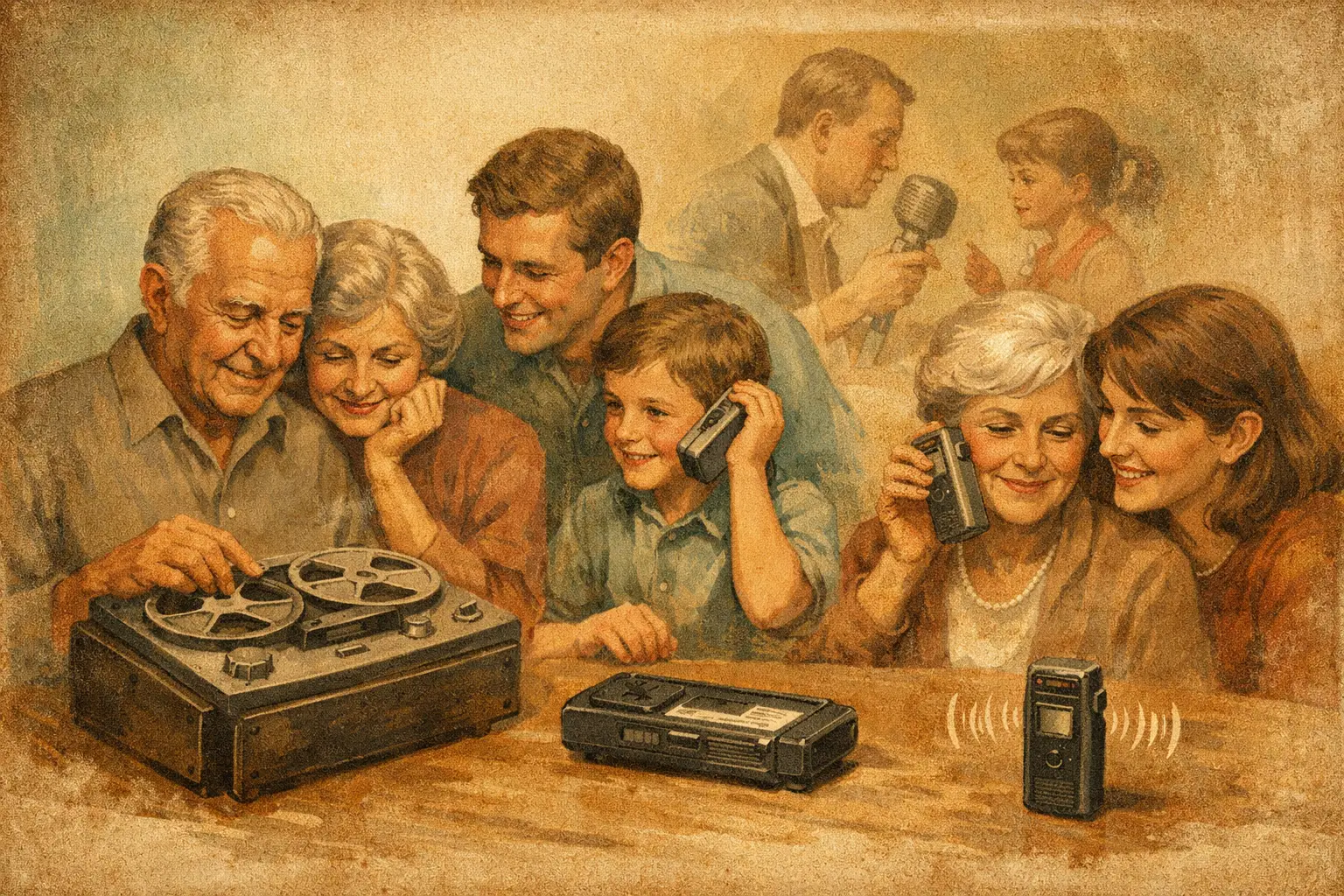
A voice legacy platform comparison is not really about choosing the most features. It is about choosing what will hold the sound of someone you love with care. A familiar laugh, an answer to a grandchild’s question, a message recorded in a quiet moment - these are things no written biography can fully replace.
Families often begin looking after a loss, when decisions already feel heavy. Others start sooner, while a parent, grandparent, spouse, or friend can still share the stories only they know. In either case, the right platform should make recording feel possible, not technical, and should give the family confidence that those memories will remain available for years to come.
What a Voice Legacy Platform Should Preserve
A voice recording is more than an audio file. It carries pacing, humor, accent, warmth, and the small pauses that make a person recognizable. That is why voice-centered legacy platforms deserve to be evaluated differently from ordinary cloud storage, social media profiles, or a standard memorial website.
The first question is whether the platform treats voice as the heart of the experience or as an attachment. On some services, audio is simply one item in a photo gallery. On others, families can record stories, organize them by topic, add personal messages, and create an experience designed around listening. The difference matters when a child or grandchild returns years later hoping to hear a loved one speak.
It also helps to distinguish between preservation and presentation. A folder of recordings may preserve files, but it does not necessarily help relatives find the story behind each file. A meaningful legacy platform gives those recordings context: who is speaking, what the memory means, and how family members can add their own recollections.
Voice Legacy Platform Comparison: The Questions That Matter
No single format is right for every family. A private archive may be enough for those who only want a secure place to keep recordings. A memorial page may be more fitting for a family that wants to share a person’s voice at a service, gravesite, or gathering. The most useful comparison begins with your purpose.
Is it made for personal voice, or general file storage?
Cloud drives are familiar and can be practical for backing up audio. They are not built to guide an aging parent through a life-story recording, help relatives contribute from different homes, or turn a collection of files into a memorial experience. Files can also become difficult to identify over time when names are vague or account access changes.
A voice legacy platform should make it easy to record by phone or browser, then organize recordings into understandable chapters. Prompts can be especially helpful when someone says, “I do not know where to begin.” Questions about childhood, family traditions, work, love, lessons learned, and hopes for future generations can draw out the stories that might otherwise go unspoken.
Can family members participate without confusion?
Legacy is rarely held by one person alone. One sibling may remember a fishing trip, another may have a favorite voicemail, and a cousin may know the story behind an old family photograph. Platforms differ greatly in how they handle this shared responsibility.
Look for a service that allows family collaboration while keeping a clear steward for the memorial. The process should be simple enough for relatives who are not comfortable with technology. It should also make room for appropriate privacy. Some messages are meant for everyone; others are meant only for close family or for a child to hear later in life.
Social media can invite broad participation, but it can also feel too public, temporary, and distracting. Posts move down a feed. Account policies change. A memorial space should not compete with advertisements, unrelated updates, or public commentary when a family is trying to remember someone with dignity.
How will people access the memorial in the years ahead?
Access is where a thoughtful memorial platform can offer something physical as well as digital. A QR-linked plaque placed on a headstone, urn, garden memorial, or columbarium niche gives visitors a direct path to stories and recordings. A person can scan it and hear the voice behind the name.
That connection can be profoundly comforting, but it should also be practical. Ask whether the plaque is designed for outdoor memorial settings, whether the QR code is engraved or printed, and whether the memorial page can be reached without asking visitors to download an unfamiliar app. Simple access respects visitors of every age.
A QR code should be an invitation, not the only safeguard. Families should still have a way to access and retain their recordings directly. The strongest offerings pair an accessible memorial page with careful storage practices and a clear plan for long-term stewardship.
Is the promise of permanence backed by clear terms?
“Forever” is a meaningful word, especially in memorial decisions. It should be supported by plain answers. Before choosing a platform, understand who owns the recordings, what happens if a family member changes email addresses, whether there are recurring charges, and how the provider plans to maintain access over time.
Subscription services may be suitable for families who want ongoing editing and are comfortable managing annual payments. Yet a subscription can create anxiety when a memorial depends on a card being updated, an account holder remaining available, or a bill continuing to be paid. For many families, one-time pricing better reflects the purpose of a legacy: it should not disappear because someone missed a renewal notice.
Ask how a provider approaches data protection, account recovery, and family transitions. Clear language is a sign of respect. In a time of grief or illness, no one should have to search through complicated terms to understand what they are purchasing.
Comparing Common Ways to Preserve a Voice
A phone recording app is the easiest place to start. It is immediate, familiar, and often the right choice when time is short. The trade-off is organization. Without a plan, recordings remain scattered across devices, message threads, and old backups. If you begin with a phone, label every recording with the speaker, date, and subject while the details are fresh.
Video platforms preserve both voice and expression, which can be beautiful. They may require more preparation, however, and some loved ones feel self-conscious on camera. Audio can feel gentler. A person can speak from their favorite chair, tell a story during a drive, or leave a message without worrying about appearance or lighting.
Traditional obituary and memorial websites provide a place for dates, photos, condolences, and service details. They are valuable for informing a community, but they may not be designed as a lasting family archive. Check how long pages remain active, how audio is displayed, and whether relatives can easily return after the initial weeks of mourning.
A dedicated voice memorial service combines the strengths of these approaches: guided recording, organized stories, shared family participation, and a memorial page people can visit from anywhere. VoiceForEternity is built around that purpose, pairing voice preservation with permanent QR-linked memorial pages and engraved plaques intended for meaningful places of remembrance.
Choosing Based on the Moment Your Family Is In
If a loved one is living and able to participate, do not wait for a perfect interview. Start with one question: “What do you want the children in our family to know about you?” A five-minute answer can become one of the most treasured recordings a family owns. From there, record gradually. Short sessions often feel easier and more natural than trying to tell an entire life story at once.
If you are creating a memorial after someone has died, gather what already exists. Search saved voicemails, family videos, holiday recordings, and messages shared in group chats. Then invite relatives to add their own spoken memories. Even when the person’s voice is limited, the voices of those who loved them can preserve the shape of their life.
If you are purchasing a legacy gift, prioritize ease. The gift should feel like an invitation to share, not a project someone has to master. Thoughtful prompts, straightforward recording options, and clear ownership can make the difference between a gift that is set aside and one that becomes part of the family’s story.
The best choice is the one that helps your family begin. Record the question. Save the laugh. Leave room for the stories that arrive later. A voice does not have to be polished to be precious - it only has to be theirs.