How to Save Farewell Messages That Matter
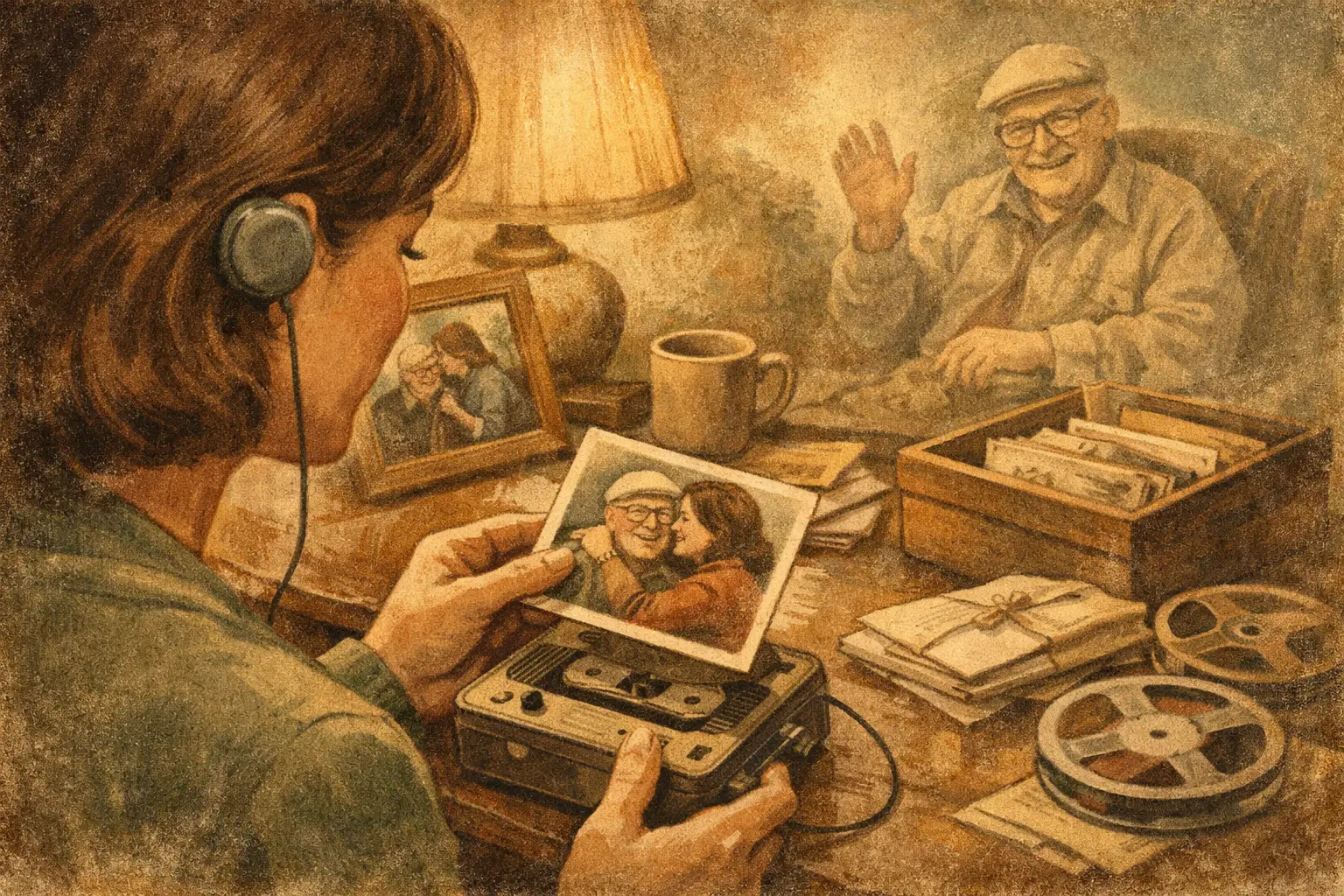
A farewell message can arrive quietly: a voicemail left after a difficult appointment, a birthday recording made for a child, a few words spoken at a bedside, or a note a loved one asks you to read later. Learning how to save farewell messages is not about making grief feel orderly. It is about protecting words, laughter, and familiar voices before a phone is replaced, a voicemail expires, or time makes the details harder to hold.
The most meaningful messages are rarely polished. They may include a pause, an inside joke, a shaky breath, or a simple “I love you.” Those human details are often what a family reaches for most. Saving them carefully gives everyone a place to return when they need to hear that person again.
How to Save Farewell Messages Before They Disappear
Start with what already exists. Many families assume they need to create a formal recording session, but a loved one’s voice may already live in old voicemails, text-message audio clips, social media videos, phone videos, or recordings made at family gatherings. Gather these first, especially if your loved one is ill or you are preparing for a memorial.
If you are saving a voicemail, use your phone’s share or export option rather than recording it through a speaker. This usually preserves better sound quality. Save the original audio file to more than one place, then give it a clear name, such as “Grandpa_James_birthday_message_May_2025.” A file named “audio 0037” is easy to overlook years from now.
For text messages or handwritten notes, create a digital copy as well. Take a well-lit photo or scan it, then save it as a PDF or image file. Include a short note with the date, who received it, and any context that future family members might not know. A message that says, “You know what to do,” can carry a very different meaning once someone explains it was sent before a daughter’s first day of college or a grandson’s wedding.
Ask permission whenever you can
When a loved one is able to participate, let them decide what they want preserved and who should hear it. This is an act of respect, not a technical detail. Some people are comfortable sharing every story; others may want a message intended only for a spouse, child, or close friend.
If you are saving messages after someone has died, use care with private communications. A family may value a recording deeply while still agreeing that it should remain within a small circle. Consider the sender’s likely wishes, and speak with immediate family before publishing or widely sharing anything personal.
Record New Messages Without Making It Feel Formal
The pressure to say a final thing can make anyone freeze. Instead of asking, “What is your farewell message?” try a gentler opening: “Is there anything you would like your family to remember?” Or, “What would you want the kids to know when they are older?”
A phone recording is enough. Choose a quiet room, put the phone close by, and let the conversation move naturally. You do not need studio sound. In fact, the familiar creak of a favorite chair or the sound of someone laughing in the next room may become part of what makes the recording feel real.
Short recordings are often easier than one long session. A person may have more energy in the morning, need frequent breaks, or prefer to speak about one memory at a time. Record a few minutes about childhood, a favorite recipe, military service, marriage, faith, work, or a lesson they hope to pass down. The best approach depends on their health, privacy preferences, and comfort level.
If speaking is difficult, preserve what is possible. A loved one might record a few words, choose meaningful photographs for someone else to narrate, write notes, or select music and readings for a memorial. Their participation does not have to look one particular way to be meaningful.
Keep the Original and Make Safe Copies
One saved file is better than none, but one saved file is still vulnerable. Phones break, passwords get lost, and accounts can change. Keep the original recording whenever possible, then make copies in at least two separate locations.
A practical preservation routine includes four parts:
- Save the original file in its original format, without trimming or adding music.
- Keep a second copy on a computer or external drive you can locate easily.
- Store another copy in a trusted digital archive or memorial platform designed for long-term family access.
- Write down where the files are kept and who can access them if you cannot.
It may feel excessive in the moment. Later, it is a kindness. Families often discover that a treasured recording was stored on an old phone, under one person’s password, with no way to retrieve it.
For especially important recordings, avoid relying only on social media or a messaging app. Those services are useful for sharing, but they are not always built to preserve your original files or maintain access over decades. Keep a downloadable copy under family control.
Protect the meaning, not only the audio
A voice file can be precious on its own, but a small amount of context turns it into a family record. Create a simple companion note for each message: who is speaking, who it was meant for, when it was recorded, where it happened, and why it matters.
You might write: “Recorded in Mom’s kitchen three weeks before Elena’s graduation. She was talking about the first time Elena learned to ride a bike.” That sentence can orient a future listener who never had the chance to know her.
If several relatives are collecting recordings, choose one shared naming system. Start each file name with the speaker’s name, then the subject and date. Consistency makes it easier to search, organize, and add new memories without creating confusion.
Make Messages Available to the People Who Need Them
Saving a farewell message is only part of the work. Consider how it will be found and heard. Some recordings should remain private until a certain date or life event. Others may be fitting for a funeral service, celebration of life, anniversary, or memorial page where relatives in different places can gather around the same memory.
A QR-linked memorial can offer a thoughtful bridge between a physical place of remembrance and a living voice. When a visitor scans a plaque at a gravesite, urn, garden, or columbarium niche, they can hear stories and messages rather than seeing only a name and dates. For families separated by distance, it also creates a shared place to listen without passing fragile files back and forth.
VoiceForEternity is designed for this kind of preservation, allowing families to record and organize a loved one’s voice, invite relatives to contribute, and connect memories to a permanent QR-linked memorial page. The value is not in adding more technology to a hard moment. It is in making a person’s presence easier to return to.
Still, access should be intentional. Decide who will manage the collection, whether anyone may add recordings, and which messages are public, family-only, or private. Revisit those choices if circumstances change. A well-organized archive can grow with the family without losing its sense of care.
If You Are Saving Messages During Illness or Grief
There is no perfect time, and there is no perfect question. Some families have months to talk; others have an afternoon, or only the recordings already left behind. Do not let the wish to do this beautifully stop you from doing it at all.
Begin with one message. Save the voicemail. Ask for a favorite story. Record a familiar goodnight. Photograph the handwritten card. Then label it, copy it, and tell one trusted person where it lives. Small actions can protect something irreplaceable.
Years from now, the people who love them may not be searching for perfect words. They may simply want to hear the voice that once said their name.