Audio Memorial vs Video Tribute: Which Fits?
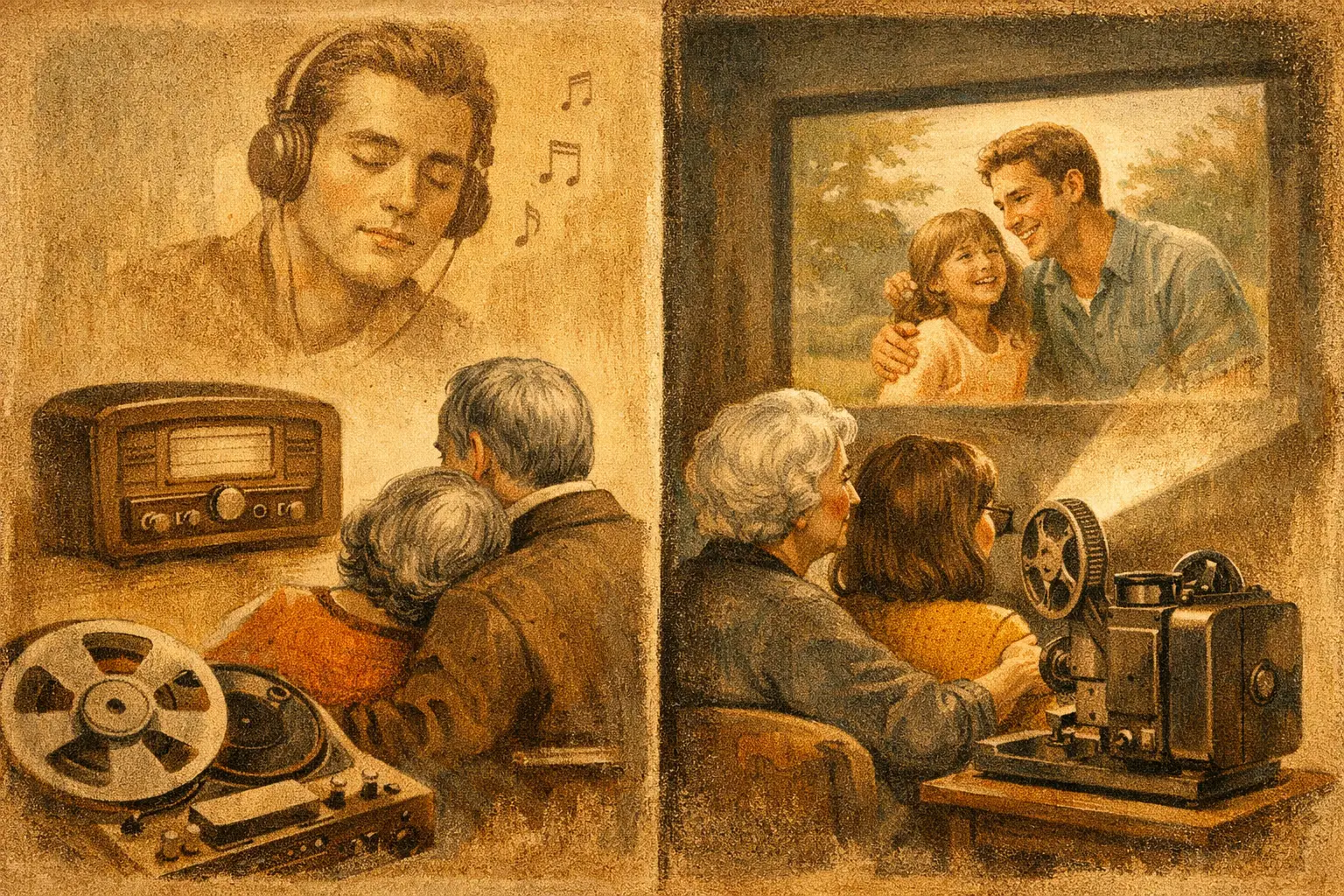
A familiar voice can stop time. A laugh, a favorite greeting, the way someone said your name - these small sounds often return a person to us more vividly than a photograph ever could. When families consider an audio memorial vs video tribute, they are not simply choosing a format. They are deciding how they want a loved one’s presence to be felt, now and in the years ahead.
Both can be deeply meaningful. The right choice depends on what you have available, what feels true to the person being remembered, and whether the memorial is meant for a service, a permanent resting place, or private family listening over time.
What an audio memorial preserves
An audio memorial centers the voice: recorded stories, spoken messages, favorite sayings, prayers, memories shared by relatives, or an interview in which someone tells their own life story. It may be a few treasured minutes or a growing collection of recordings organized around different chapters of a life.
Voice is intimate in a way that is easy to underestimate until it is gone. We remember a parent’s cadence when they told a childhood story. We recognize a spouse’s humor in a pause before a punchline. We hear a grandparent’s accent and the warmth behind a simple “I love you.” Audio holds these details without asking the listener to look at a screen.
That makes it especially well suited to legacy preservation. A person can record answers to family questions while they are still living, leave messages for children and grandchildren, or share memories that might otherwise be lost. After a death, family members can add their own spoken recollections, creating a living record of how that person touched many lives.
An audio memorial is also practical when there is limited video footage, when someone was uncomfortable on camera, or when the family wants a quiet experience that can be revisited anywhere. A QR-linked memorial page can allow a visitor at a gravesite, urn, garden, or columbarium niche to listen directly from a phone. The experience is simple: scan, pause, listen, remember.
What a video tribute does well
A video tribute typically combines photographs, video clips, music, and text into a visual presentation. It is often created for a funeral, celebration of life, anniversary, or gathering where people can watch together.
For a service, video can be powerful because it gives everyone in the room a shared experience. Childhood photos, wedding images, scenes from vacations, and clips of ordinary life can help tell a visible story. When a family has a rich collection of photographs and wants to honor a loved one’s changing seasons of life, a carefully paced video can bring those memories together beautifully.
Video also offers visual context that audio cannot. Seeing someone hold a new baby, dance at a family wedding, work in a beloved garden, or smile across a kitchen table can be comforting. For relatives who never met the person, those images can make family history feel more immediate.
Yet a video tribute often has a defined moment. It is shown during a service or shared afterward, then may be watched only occasionally. That is not a weakness. Some memories are meant to gather people in a room. But a video’s emotional impact can depend on the quality and quantity of available images, editing time, music choices, and the ability to watch without distraction.
Audio memorial vs video tribute: the meaningful differences
The clearest difference is not technical. It is emotional.
Video shows a loved one’s life. Audio can make it feel as though they are speaking directly to you. A photograph may show your father at age 30; his voice telling the story behind that photograph can make the memory feel present. A video can honor the full arc of a life at a memorial service; a voice recording can become a private companion on an ordinary day when you need to hear them again.
The two formats also ask different things of a family. Video usually requires visual materials and editing decisions: which photos to include, how long each should appear, what music is appropriate, and how to create a coherent sequence. Audio can be simpler to begin. A meaningful recording may start with one question: “What do you want your grandchildren to know?” It can grow over time without requiring a polished production.
There is also a difference in accessibility. Watching a video requires visual attention and often a longer uninterrupted stretch of time. Listening can happen during a walk, a drive, or a quiet visit to a memorial. For older relatives or family members who live far apart, a straightforward audio experience may feel less demanding and more personal.
Neither choice replaces the other. Many families find that photographs and video tell the visual story, while recorded voices hold the emotional texture beneath it.
When audio is the better choice
Choose an audio memorial when the voice itself is what you fear losing most. It is particularly fitting when a loved one has stories to tell, messages to leave, a distinctive laugh, or words that have guided the family for years.
It can also be the more compassionate choice during illness or aging. Not everyone wants to be filmed. Recording from a phone or browser can feel private, unhurried, and natural. A loved one can speak from a comfortable chair, share one memory at a time, and stop whenever they wish.
Audio is ideal for a permanent, evolving memorial as well. A family can preserve the person’s own recordings alongside new voice memories from children, siblings, friends, and future generations. Rather than creating a single finished piece, they create a place where a life can continue to be heard.
When video may be the better choice
A video tribute is often the right choice when you are planning a funeral or celebration of life and want to guide guests through a visual journey. It can be particularly moving for someone whose life is well documented in photos or home movies.
It may also suit a family that wants to include music, captions, and images in one presentation for people who prefer to watch together. If there are meaningful clips of the person speaking, video preserves both their voice and expression at once.
Still, avoid feeling pressured to make a long or elaborate production while grieving. A short, thoughtful video built around a few important images can carry more heart than a rushed slideshow filled with every photo you can find. The purpose is remembrance, not perfection.
A thoughtful approach can include both
The most lasting memorials often give families more than one way to remember. A video tribute may bring people together at the service. An audio collection can remain available afterward, offering a gentler, more personal connection whenever someone needs it.
You might play a loved one’s recorded welcome before a gathering, then share a visual tribute with guests. Or you may place a permanent engraved QR plaque at a resting place that leads visitors to recordings, stories, and photographs. This gives the memorial a sense of presence beyond the day of the service.
VoiceForEternity was built around this idea: a memorial can be more than a name, dates, and a photograph. It can be a place where families preserve a person’s words, organize shared stories, and return to the sound of someone they love. With one-time pricing and permanent QR-linked access, the focus remains where it belongs - on preserving what cannot be replaced.
Questions to ask before deciding
Start with what you hope someone will feel. If the answer is, “I want them to see the life he lived,” video may lead the way. If it is, “I want them to hear her say my name again,” audio deserves a central place.
Consider the materials you have, but do not let a lack of photographs prevent you from creating something meaningful. One clear recording of a grandmother describing her childhood may become more valuable to future generations than a hundred unlabeled images.
Finally, think beyond the service. Ask what will remain easy for your family to access, understand, and share years from now. The best memorial format is not the most elaborate one. It is the one that helps a person’s love, character, and voice remain close when memory alone is not enough.
There is no need to choose perfectly. Begin with the memory that feels most urgent to save - a story, a laugh, a message, a photograph - and preserve it while you can.