What Are AI Remembrance Technology Trends?
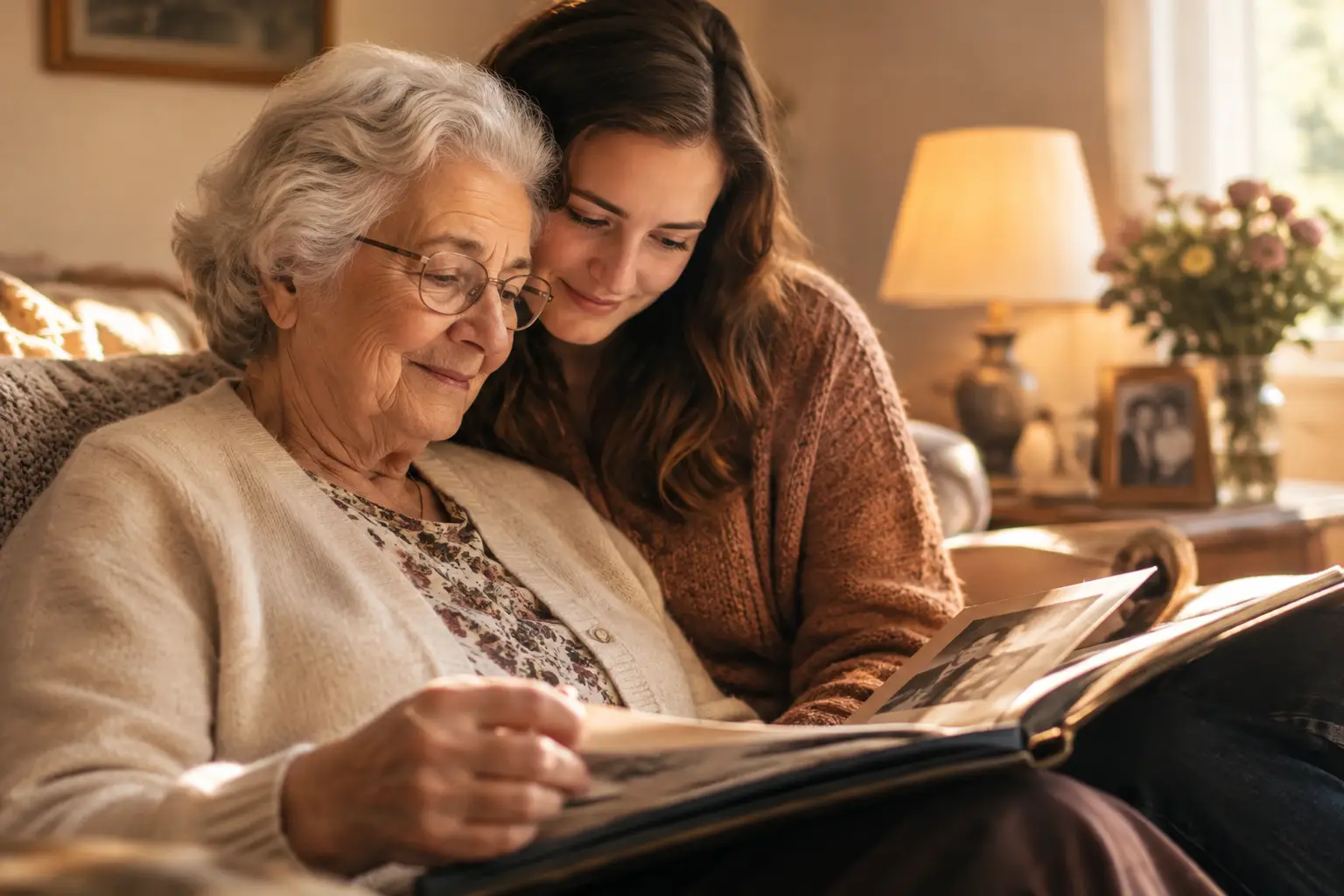
AI remembrance technology trends are shifting memorials from static pages toward private spaces where families can hear a familiar voice, gather stories, and shape what is shared. The strongest tools use AI to support memory work, not to replace a person’s words, choices, or relationships.
A recording of a grandfather telling the same childhood story he told at every holiday can carry details that a written transcript cannot: the pause before a punchline, the warmth in his voice, the way he says a family nickname. Technology can help families find, organize, and understand those moments. Love is still what gives them meaning.
AI Remembrance Technology Trends Are Becoming More Human
Early digital memorials often centered on an obituary, a photo gallery, and a guestbook. Those features can be meaningful, but many families want a fuller picture of the person they love. Current remembrance tools are beginning to make room for spoken memories, personal messages, family history, and contributions from relatives who live far apart.
AI is helping with the work around those memories. A long recording can be transcribed, a collection of stories can be grouped by theme, and scattered family recollections can be turned into a starting point for a life-story summary. Family members may spend less time sorting files and more time listening, remembering, and talking together.
Care matters more than speed in this category. A summary may miss humor, context, or a detail that matters deeply to a sibling. Families should see AI-generated writing as a helpful draft, then edit it with the people who knew the story best. Human review is not an extra step. It is part of honoring the person accurately.
Why Is the Human Voice Taking Center Stage?
Voice carries character in a way text alone rarely can. A short message saying “I’m proud of you” may become especially meaningful years later because of how it was said, not only because of the words themselves. For families recording stories before a loss, voice also makes the process feel less formal than writing a memoir from scratch.
Voice-first remembrance does not require polished interviews or perfect audio. A phone call, a browser recording, or a conversation at the kitchen table can hold real value. Small memories often become the ones relatives return to: a favorite recipe, an early job, a lesson learned from a parent, or a description of how two people met.
AI can make spoken archives easier to use by creating transcripts and identifying subjects within recordings. Searchable text helps a family locate a story about military service, a hometown, or a beloved pet without replacing the original audio. The recording remains the heart of the experience; the technology simply helps people return to it.
From One Author to a Family Memory Space
Another important trend is shared participation. Memorialization no longer has to depend on one person collecting every photograph, writing every caption, and deciding which stories belong. A private family space can invite cousins, friends, adult children, and grandchildren to add a recording or written memory in their own time.
Shared contributions can reveal different sides of a loved one. A daughter may remember practical advice, a colleague may remember generosity at work, and a grandchild may remember a made-up game no one else knew about. Together, those perspectives create a more complete and more honest remembrance.
Family participation also needs gentle structure. Open invitations can feel overwhelming when people are grieving or busy. Simple prompts help, especially when a family does not know where to begin: What did they teach you? What made them laugh? When did you feel most understood by them? One clear question can bring forward a story that might otherwise remain unspoken.
Privacy and Consent Will Shape Trust
Remembrance technology handles deeply personal material. Families should know who can see recordings, who can contribute, and who can make changes. Clear privacy settings are more meaningful than vague assurances, particularly when a memorial includes children, family disagreements, health details, or stories intended only for close relatives.
Consent deserves equal care when recordings are made during someone’s life. A loved one should understand how their voice and stories may be used, who may hear them, and whether certain topics should remain private. Conversations about boundaries can feel awkward, yet they are often an act of respect.
Voice cloning and conversational avatars require especially careful judgment. Hearing an authentic recording can be comforting. Asking software to generate new speech in a deceased person’s voice is a different experience, and not every family will feel comfortable with it. Consent, clear labeling, and the emotional needs of the people listening should guide any decision.
AI Remembrance Technology Trends Need Human Boundaries
The most responsible tools make their limits visible. AI can organize material, suggest themes, and help turn a collection of memories into readable language. AI cannot verify every fact, resolve a family disagreement, or know whether a private story should be shared at a memorial gathering.
Families may also want to decide what should not be included. A complete archive is not always the same as a loving one. Choosing a smaller set of voices, stories, and messages can make a memorial easier to revisit while protecting material that belongs only within a close circle.
Ownership and access questions deserve attention before a family begins uploading recordings. Ask how contributors are invited, whether content can be downloaded or saved elsewhere, and how account decisions are handled if the family organizer changes. Plain answers help families make thoughtful choices without adding pressure during a difficult season.
What Should Families Preserve First?
Families often delay because the project feels too large. Beginning with one voice and one story is enough. A parent might record memories of childhood, a grandparent might answer a few questions about family traditions, or siblings might each share a two-minute recollection after a loss.
VoiceForEternity reflects the direction many families are seeking: a guided space for recordings, stories, and shared memories, with AI-generated summaries that can help organize what a family has gathered. The purpose is not to turn a life into a data set. The purpose is to give family members a more personal way to return to the voice and stories they miss.
The best future for remembrance technology is quiet and useful. A well-chosen recording can invite a child to ask another question, help siblings tell the same story together, or let a family hear love in a familiar voice when words on a page are not enough.
Drafted with AI assistance and reviewed by Steve. Learn more