Recording Consent Guide for Family Voice Stories
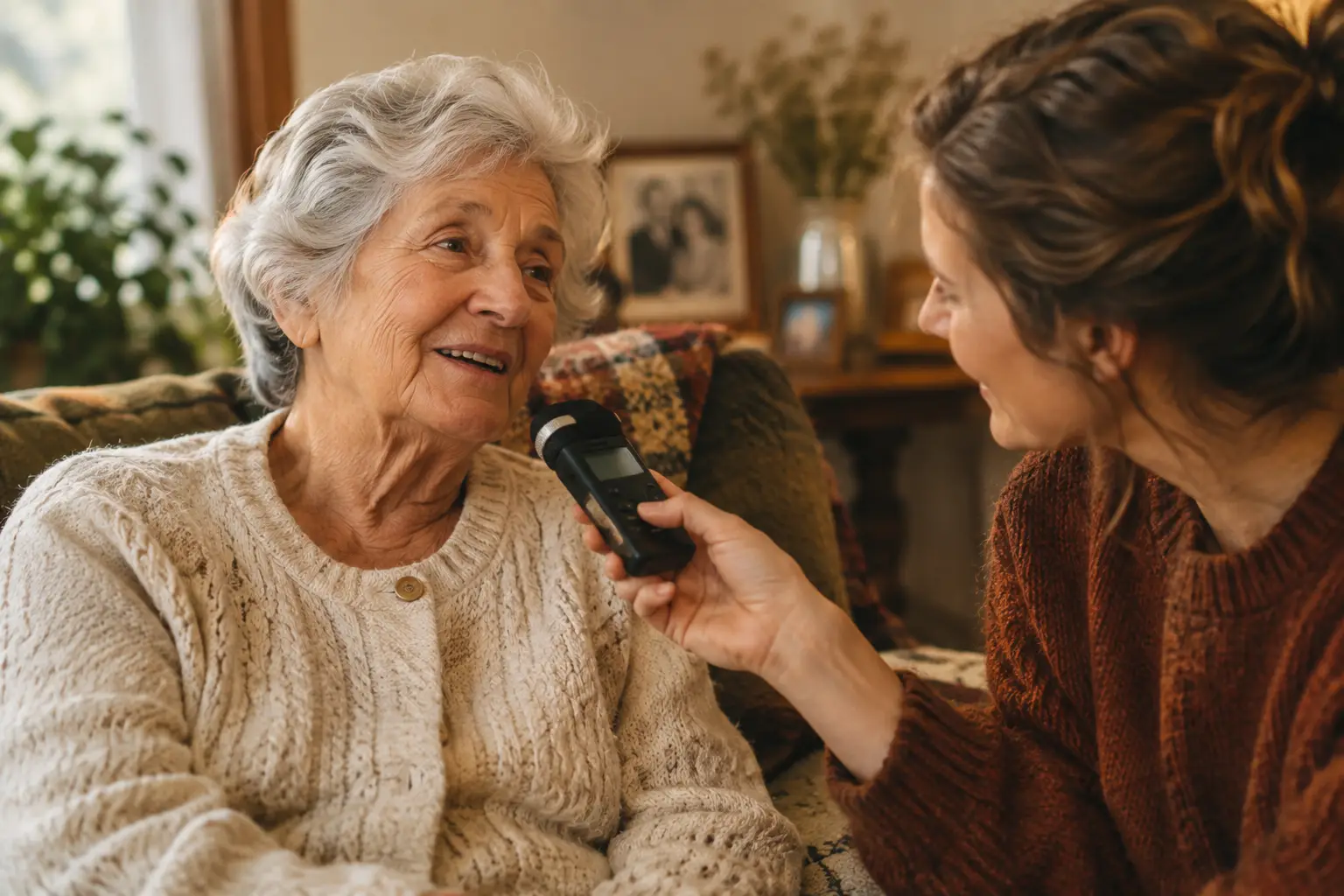
A familiar voice can bring someone back into the room. The laugh before an old family story, the way they say a grandchild’s name, the pause before a hard-earned piece of advice - these details are often what families miss most. A thoughtful recording consent guide helps you preserve those moments in a way that honors the person sharing them.
Consent is more than a legal box to check. It is a simple act of respect: letting your loved one know what is being recorded, why it matters, who may hear it, and what will happen to it later. That clarity can make recording feel less like a task and more like what it truly is - a gift of connection for the people they love.
Why Consent Matters When Recording a Loved One
Family conversations can feel informal, especially when you are sitting at a kitchen table, on a porch, or speaking by phone. But a recording can last far beyond that afternoon. It may be shared with children, grandchildren, relatives in other states, or visitors to a memorial page years from now. Your loved one deserves to choose how their words and voice will be remembered.
Clear consent also protects the relationship. Some people are happy to tell stories but prefer certain details to remain private. Others may want a recording shared only with immediate family, or only after their death. Asking first creates space for those preferences without pressure or assumptions.
There is also a legal side. Recording laws vary by state, and the rules can be especially complicated when people are in different states during a phone or video call. Some states generally allow recording when one participant consents. Others may require permission from everyone involved in a private conversation. A family’s good intentions do not replace the need to understand the laws that apply to their situation.
When you are unsure, the kindest and safest approach is also the simplest: tell everyone that recording is happening and ask for their clear agreement before you begin.
A Recording Consent Guide for Families
Start before you press record. Explain the purpose in plain, human terms. You might say, “I would love to record your stories so our family can hear your voice in the years ahead. Are you comfortable with that?” This invitation is gentle, specific, and gives them a real choice.
Then explain the intended use. A recording made for your personal listening is different from one placed on a QR-linked memorial page, included in a family archive, or shared in a group chat. Avoid vague promises such as “only family will hear it” unless you have agreed on what family means and how access will be managed.
It helps to cover three points together: that you are recording, why you are recording, and who may listen. If your loved one agrees, ask whether there are any stories, names, or topics they would like kept private. A person may be delighted to record a favorite childhood memory while asking that a health matter, family disagreement, or financial detail stay off the record.
For meaningful legacy recordings, consider asking one more question: “Would you like this shared now, only with certain people, or saved for a later time?” That answer can shape how you organize and protect the recording.
Capture Consent on the Recording
A brief verbal statement at the beginning of an audio or video recording creates a clear record of permission. It does not need to sound formal or intimidating. Try something like this:
“Today is [date]. I am recording this conversation with [name]’s permission to preserve their stories and voice for our family. [Name], are you comfortable being recorded and having this shared with [the people or group you name]?”
Wait for an audible, unhurried answer. If the person says yes, you can continue. If they hesitate, pause. Ask what would make them more comfortable, or offer to return another day. The best stories are never worth taking at the expense of someone’s comfort.
Written permission can provide additional reassurance, particularly if several relatives will contribute, if recordings may be made public, or if a memorial page will be accessed by a wider community. Keep the language straightforward. The person should be able to understand what they are agreeing to without feeling they are signing away control of their own memories.
Be Extra Careful With Group Conversations
A group recording can be a beautiful gathering of voices, but everyone who can be heard should know the conversation is being saved. This includes the relative telling the story, the sibling laughing in the background, and the cousin offering a memory from across the room.
At the start, let the group know where the recording may be stored or shared. If someone prefers not to be included, you have options: stop recording during their portion, edit their voice out when appropriate, or invite them to participate without being recorded. Consent is not all-or-nothing.
Phone calls and video calls deserve special care because participants may be located in different states. Announce the recording immediately when the call begins, and obtain agreement from everyone before discussing personal subjects. If you are recording a conversation that could involve sensitive family, medical, legal, or financial matters, consider speaking with a qualified attorney about the rules that apply to you.
When Consent Needs a More Thoughtful Approach
Illness, grief, memory loss, and end-of-life transitions can change the nature of a conversation. A loved one may have good days and difficult days. They may be able to share a vivid story but not feel comfortable making decisions about broad future sharing. Slow down and meet them where they are.
Consent should be voluntary and informed. Avoid recording when someone is confused, heavily medicated, exhausted, or feeling pressured by a room full of relatives. If their ability to understand the request is uncertain, do not assume that a past yes covers every new recording or use. Seek guidance from the person legally authorized to make decisions when appropriate, while still respecting the loved one’s expressed wishes as fully as possible.
Children and teenagers also require added care. A parent or legal guardian may need to give permission, but the young person’s comfort matters too. Explain the recording in language they understand and honor a no, even if an adult has agreed.
Give Your Loved One Meaningful Control
The most respectful consent process continues after the recording ends. Let your loved one listen back if they want to. Offer them the chance to remove a section, rerecord an answer, or change who can receive it. Many people relax once they know a recording is not irreversible.
Keep a simple note with each recording that documents the date, participants, consent, and sharing preferences. This can be as practical as a saved file name and a short family record. For example: “Grandma Rose, June 14, 2026 - approved for children and grandchildren; do not share publicly.” Small details like this can prevent uncertainty later, when family members are grieving or memories of the conversation have faded.
Before storing a voice recording, make sure your preservation plan reflects the permission you received. A service such as VoiceForEternity can help families organize voices, stories, and messages in one lasting place, but the family should still decide who has access and what each person wanted shared.
Four Questions to Ask Before You Record
- Do you know everyone who may be heard in the recording, and have they agreed?
- Have you explained why the recording is being made and how it may be used?
- Have you discussed any topics, names, or stories that should remain private?
- Have you recorded or written down the person’s sharing preferences for the future?
These questions take only a moment. Yet they can spare a family from confusion and make the experience feel safer for the person whose voice you are preserving.
A recording does not have to be perfect to become precious. The air conditioner may hum. Someone may lose their train of thought. What lasts is the feeling of being heard and respected. Ask permission with warmth, listen closely to the answer, and let every saved voice carry the dignity of a story freely given.