Meaningful Alternatives to Sympathy Flowers
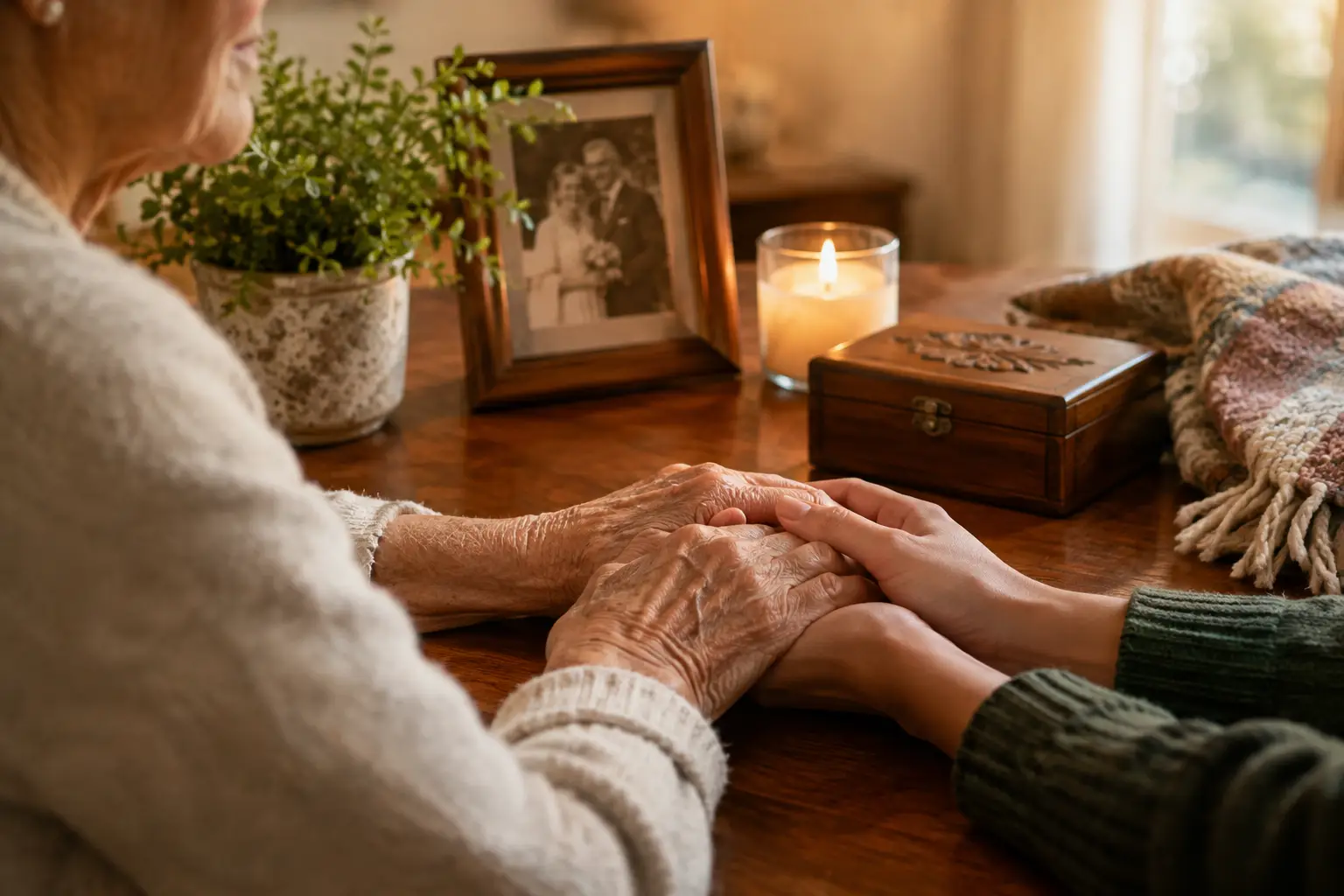
A bouquet can be a tender gesture in the first days after a loss. But flowers fade quickly, and many people want to offer something that stays: a source of comfort, a practical kindness, or a way to keep a loved one’s presence close. Meaningful alternatives to sympathy flowers make room for that deeper intention.
The most thoughtful choice is rarely the most elaborate one. It is the one that recognizes who the person was, what the family is carrying, and what might make the days ahead feel a little less lonely. For some families, that is a meal without another decision to make. For others, it is a keepsake, a shared story, or support for a cause that mattered deeply to the person they lost.
Why Many Families Are Choosing Something That Lasts
Sympathy flowers still have a place. They bring beauty to a service, soften a room, and communicate care when words are hard to find. Yet they can also create a burden during an already demanding week. Someone must receive them, arrange them, transport them, and eventually decide what to do when they wilt.
A lasting or practical gift can meet the family where they are. It may ease a daily responsibility, support remembrance after the service has passed, or help preserve the details that an obituary cannot fully hold: a familiar laugh, a favorite saying, the story behind a family tradition.
There is no need to treat flowers as the wrong choice. The right gesture depends on your relationship, the family’s customs, and the timing. A close friend may appreciate tangible help. A colleague may prefer a respectful donation or simple card. When you know the family well, a personal gift can become part of their remembrance for years.
Meaningful Alternatives to Sympathy Flowers That Offer Real Comfort
Give practical care that removes one small burden
Grief changes ordinary tasks. Grocery shopping, answering messages, feeding children, and planning meals can feel unexpectedly difficult. A prepared meal, restaurant gift card, grocery delivery, or contribution toward household help can offer immediate relief without requiring the family to host or respond.
Be specific when possible. Rather than saying, “Let me know if you need anything,” consider offering a meal on a particular evening, arranging pet care, or sending a gift card they can use whenever they are ready. Quiet practical support is often remembered long after the funeral.
If you are part of a larger group, such as coworkers, neighbors, or an extended family, coordinating a meal fund or service contribution can prevent the household from receiving more food than it can use at once.
Make a donation with personal meaning
A memorial donation can honor both the person who died and the values that shaped their life. You might contribute to a favorite charity, a local animal rescue, a veterans’ organization, a medical research foundation, a school, or a faith community.
This option works especially well when the family has asked for donations in lieu of flowers. If they have not, choose carefully. A donation is most meaningful when it reflects something you genuinely know about the person, rather than a generic gesture. Include a short note explaining why you selected that cause. The connection is what gives the gift its heart.
Preserve stories, voices, and family memories
After a loss, families often realize how much they wish they had recorded. They may have photographs and formal documents, yet still miss the sound of a parent telling a childhood story, a grandparent’s advice, or the phrases a spouse used every day.
A memory-preservation gift can create space for relatives and friends to contribute those irreplaceable pieces of a life. It might be a prompted journal, a recorded collection of family stories, or a permanent memorial page where people can listen, share, and return when they need to feel close.
VoiceForEternity offers families a way to preserve voices, messages, and memories in one lasting place, with a QR-linked memorial page that can be accessed from a plaque at a gravesite, urn, garden, or other place of remembrance. This kind of gift is not about replacing grief with technology. It is about protecting the human details that grief makes more precious.
For families spread across states or generations, shared memory gathering can also be a gentle act of connection. One person may remember a recipe, another may have a voicemail, and another may tell a story no one else has heard. Together, those pieces form a fuller picture of the person they love.
Choose a living remembrance
A tree, perennial plant, garden stone, or contribution to a memorial garden can be a fitting alternative for someone who loved the outdoors. Unlike a sympathy arrangement, a living remembrance changes with the seasons and offers a place to pause.
Consider the family’s living situation before choosing this option. A large plant may be difficult for someone in an apartment, a hospital setting, or a home already filled with arrangements. A small tree for a yard, a native plant suited to the local climate, or a donation to plant trees in the person’s memory may be more practical.
A personalized garden marker can be especially meaningful if the family already has a place where they gather. Keep the wording simple and private. The goal is not to create a perfect tribute, but a quiet reminder of enduring love.
Create a keepsake rooted in who they were
The best memorial keepsakes feel personal, not decorative for their own sake. A framed handwritten recipe, a custom book of letters from family members, a blanket made from meaningful fabric, or a piece of music connected to the person can offer comfort in private moments.
This choice takes more care than sending a standard gift. Be mindful of timing and ask permission if you need access to photographs, handwriting, clothing, or recordings. In the earliest days, the family may not have the capacity to make decisions. A simple message that you would be honored to create something later can be more respectful than pressing for details immediately.
Offer your time in a way the family can accept
Time is one of the most generous gifts, but it should come with clear boundaries. Vague offers can unintentionally put the grieving person in the position of organizing help. Instead, offer something concrete: drive an out-of-town relative to the airport, sit with children during an appointment, mow the lawn, sort mail, or accompany someone on a difficult errand.
Your support does not have to end after the service. The weeks that follow can be quieter and harder, as friends return to routine while the family adjusts to an absence that remains. Mark the person’s birthday, anniversary, or a meaningful holiday on your calendar. A brief message months later can be a profound reminder that their loved one has not been forgotten.
How to Choose the Right Gesture
Start with the relationship. If you are close to the family, something personal or practical may be welcome. If you knew the person mainly through work or community, a donation, meal contribution, or thoughtful card may feel most appropriate.
Then consider the family’s immediate circumstances. Are they traveling? Caring for children? Managing a home? Facing medical or funeral expenses? A gift that answers a real need is often more comforting than one that simply looks traditional.
Finally, let the person’s life guide you. A gift that reflects their voice, service, humor, faith, garden, music, or devotion to family says, “I saw who they were.” That is a powerful thing to offer when loss can make a life feel reduced to dates and formalities.
What to Write When You Send Something Other Than Flowers
You do not need perfect words. A sincere note can be short: “I chose this because I know how much she loved her garden.” Or, “I hope this takes one thing off your plate in the days ahead.” If you are giving a memory-focused gift, you might say, “I hope these stories help keep his voice and spirit close whenever you want to hear them.”
Avoid asking the family to comfort you or respond quickly. Let your message be an offering, not another obligation. The gift itself matters, but the feeling behind it matters more.
A meaningful gesture does not have to arrive in the first rush of condolences. Sometimes the most loving thing you can give is something that remains when the flowers are gone: help for a hard day, a story saved for the next generation, or a lasting place to return to their voice.