Funeral Audio Planning Guide for Families
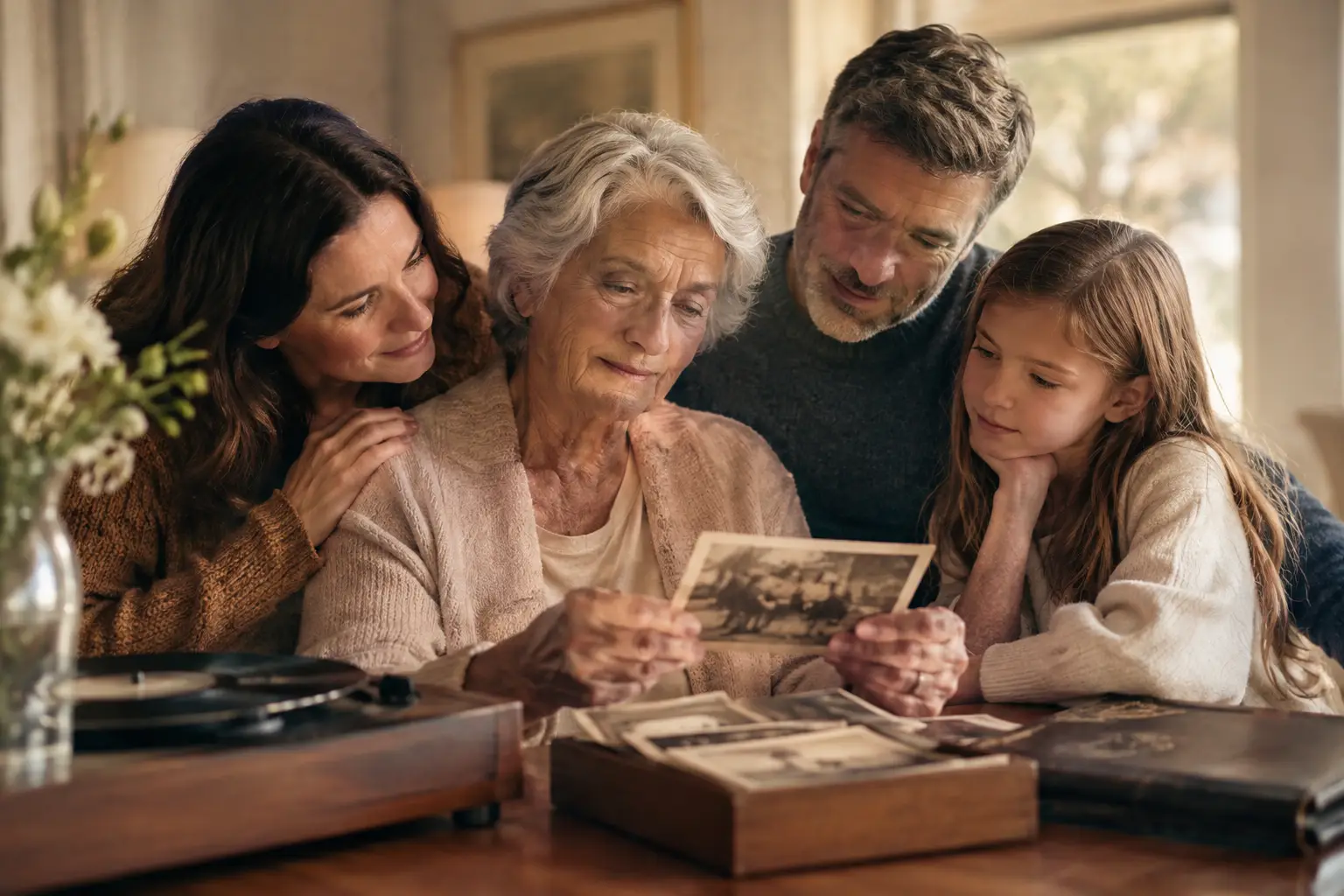
A microphone being passed to a loved one can become one of the most meaningful moments of a service - or one of the most stressful. A thoughtful funeral audio planning guide helps your family make room for the sounds that matter: a familiar voice, a favorite song, a story told with a laugh, or a final message shared across the miles.
Audio is easy to overlook while flowers, schedules, and travel plans demand attention. Yet years later, the sound of someone speaking can bring back a presence that a photograph alone cannot. Planning does not need to be complicated. It simply means deciding what you want people to hear, who will help, and how those recordings will be cared for after the day is over.
Begin With the Feeling You Want to Create
Before choosing equipment or songs, pause and consider the purpose of the audio. Is the service meant to feel quiet and reflective? Do you want guests to hear the voice of the person who died, perhaps telling a story or offering words to their family? Or is the focus on making it easy for distant relatives to share memories during the gathering?
There is no single right approach. A short recording of your loved one may be powerful in a formal service, while an open microphone may feel more fitting at a relaxed celebration of life. Some families choose both: a carefully selected voice recording during the ceremony, followed by personal stories at the reception.
Keep the program focused. A few intentional audio moments usually carry more emotional weight than a long sequence of clips and songs. Leave room for silence, too. Silence gives people a moment to absorb what they have heard.
Funeral Audio Planning Guide: Decide What to Preserve
A funeral service can include many kinds of sound. The most lasting choices are often the ones that sound unmistakably like the person being remembered: their voice, their sense of humor, their favorite expressions, or the way they told a family story.
If you have existing voicemails, home videos, or recordings, listen privately before deciding whether to use them at the service. A recording can be tender, but it can also feel too personal or emotionally difficult for a public gathering. Ask one or two trusted family members to listen with you. Their perspective can help you choose a clip that honors your loved one without overwhelming guests.
When no recording exists, family voices can still create something deeply personal. Invite a spouse, child, sibling, grandchild, or close friend to record a brief memory. Ask for one story rather than a life summary. Specific details are often what stay with people: the Sunday pancake ritual, the song played on every road trip, the phrase they used whenever someone needed encouragement.
Use Gentle Prompts for Family Recordings
People may freeze when asked to "say something." A clear prompt makes participation easier. You might ask, "What did they teach you without realizing it?" or "What is one moment when you felt especially loved by them?"
For a recording intended to play during the service, aim for one to three minutes. This is long enough to carry feeling and short enough to hold the room's attention. Let speakers use their natural voices. A polished performance is not the goal. Honesty is.
If relatives live far apart, they can record from their own phones in a quiet room and send the files to one designated family organizer. Ask everyone to state their name at the beginning if the recording may be preserved for future generations.
Choose Music With Care
Music can set the emotional tone before guests arrive, during a photo tribute, or as people leave. Select songs because they belong to your loved one's story, not because they feel expected. A hymn, jazz standard, country song, or instrumental piece can all be appropriate when it carries genuine meaning.
Consider the lyrics as well as the melody. Some songs are beautiful but may feel too heavy for a family already carrying grief. Others may be uplifting but clash with a quiet service. It depends on the person being remembered and the people in the room.
Confirm what the venue can play and whether it has policies around copyrighted music, livestreaming, or recording. A song played privately in the room may be treated differently from a service broadcast online. The funeral director, venue coordinator, or livestream provider can explain the practical limits before the day arrives.
Build a Reliable Plan for the Service
Beautiful audio can be lost to a simple problem: a speaker placed too far from a microphone, a phone notification, or a room with poor acoustics. Assign one calm, capable person to oversee audio. This should not be the person carrying the heaviest emotional responsibilities that day.
That person should speak with the funeral home, house of worship, cemetery, or event venue ahead of time. Ask whether microphones, speakers, a projector, and an audio connection are available. Find out who controls the system and when you can test it.
A full technical rehearsal is not always possible, but a short sound check is worth protecting. Play every clip through the exact system that will be used. Listen from the back of the room, where older guests and those with hearing challenges may be seated. If voices are difficult to understand there, adjust the volume or use a clearer recording.
Have a backup. Save audio files in more than one place, such as on the organizer's phone and a second device. Bring any necessary adapters, charging cables, and a printed order of service that identifies each track. If a recording will be played at a precise moment, label it clearly rather than relying on memory.
For spoken tributes, place the microphone close enough to capture speech but not so close that it distorts. Remind speakers to pause, breathe, and speak a little slower than usual. Tears are welcome. A few quiet seconds while someone regains their voice are not a failure in the program. They are part of the truth of the day.
Give Guests a Way to Participate Without Pressure
Not everyone will want to speak publicly, and no one should feel obligated. Offer more than one way to contribute. A quiet recording station at the reception can invite guests to leave a memory privately. A family member can also collect brief voice notes after the service, when people have had time to gather themselves.
If you set up a recording area, choose a quiet corner away from food service and conversation. A simple sign can offer one prompt, such as: "Share a favorite memory, lesson, or message for the family." Keep the instructions short. The point is to welcome stories, not create another task.
Be thoughtful about consent. Let guests know if their recordings will be shared on a memorial page, heard by the family only, or saved as part of a longer-term archive. Some stories may be best kept private. Giving contributors that choice is an act of care.
Preserve the Recordings Beyond the Day
The service will move quickly. In the days afterward, gather every audio file while people still remember where it was saved. Rename files with the speaker's name, date, and a brief description. For example: "Maria_Garcia_daughter_memory_May2026." Clear names make these voices easier to find years from now.
Store original files, not only edited versions. A polished memorial video has its place, but an uncut recording often holds small, human details worth keeping: a laugh before a story, a familiar pause, a family member saying hello. Keep copies in more than one secure location and tell at least two family members how to access them.
For families who want voices, stories, and messages to remain available across generations, VoiceForEternity can organize them into a permanent QR-linked memorial experience. A physical plaque at a grave, urn, garden, or memorial site can become an invitation to listen, not just to read a name and date.
The most meaningful archive does not need to be perfect. It needs to be understandable, cared for, and shared with the people who will treasure it.
Let the Voice Lead
Funeral audio is not about producing a flawless event. It is about making space for a person to be heard in the ways that feel true to their life. Whether you preserve a single voicemail, a grandchild's story, or an entire collection of family memories, you are protecting something grief cannot replace.
Start with one voice and one honest memory. That small act can become a lasting place for family members to return, listen, and feel close again.