How to Preserve a Loved One's Voice
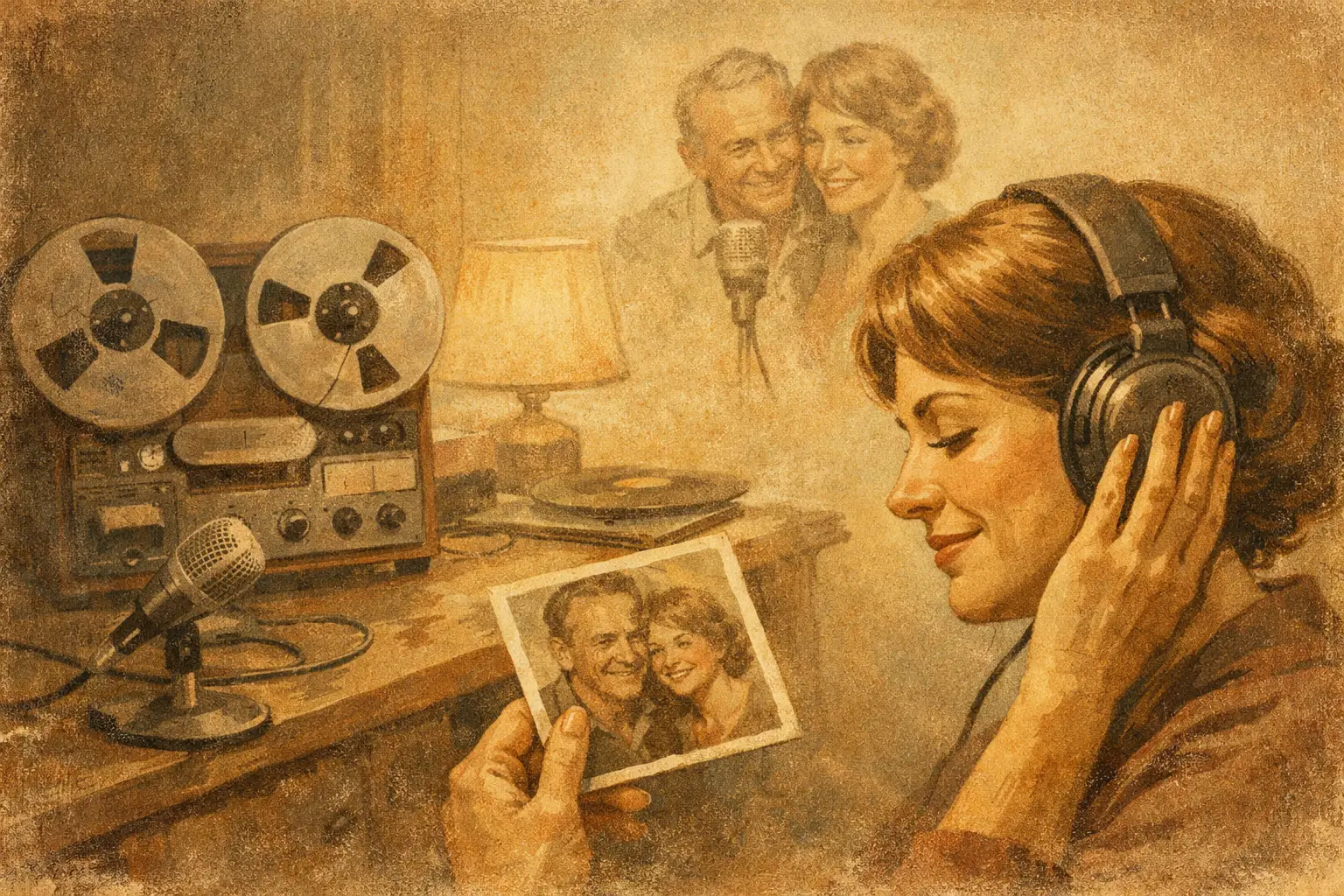
A voicemail can stop you in your tracks. One ordinary sentence - asking if you got home safely, reminding you to bring a jacket, saying goodnight - can suddenly feel priceless. That is why so many families ask how to preserve a loved one's voice before time, illness, or distance makes it harder.
A voice carries more than words. It holds cadence, humor, pauses, and personality. It can bring back the way someone comforted you, the way they told a story, or the way they laughed before they even finished a sentence. Photos help us remember what someone looked like. A voice helps us remember who they were. Why preserving a voice matters so much
When families think about legacy, they often start with pictures, letters, and keepsakes. Those matter, but audio reaches people differently. Hearing someone speak creates an immediate connection that text cannot fully replace. For children and grandchildren especially, a recorded voice can become one of the most meaningful parts of family history.
There is also a practical truth here. Voices are easy to lose. They live in old phones, scattered video clips, saved voicemails, and forgotten social media posts. If those files are not gathered and protected, they can disappear after a device fails, an account closes, or a family member simply cannot find them when they need them most.
Preserving a voice is not only something families do after a diagnosis or near the end of life. In many cases, the best time is now, while conversations feel natural and there is no pressure to say everything at once. How to preserve a loved one's voice without making it feel overwhelming
The most effective approach is usually the simplest one. You do not need a studio, perfect questions, or a long interview scheduled months in advance. You need a way to record clearly, store safely, and organize thoughtfully so the voice remains available in the years ahead.
Start by choosing what kind of recording feels most natural. Some people are comfortable sitting down for a longer conversation. Others open up more easily in short sessions. A parent may enjoy answering a few family-history questions at a time, while a grandparent might prefer recording messages for birthdays, weddings, or future milestones.
That flexibility matters. The goal is not to create a polished performance. It is to capture the person as they really are. Begin with short, meaningful recordings
If someone feels unsure, start small. Ask them to say their name, where they grew up, and one memory they never want the family to lose. Then try a favorite recipe, a story about meeting their spouse, advice for future generations, or a message for a child or grandchild.
Short recordings often work better than one long session. They are easier to schedule, easier to repeat, and less emotionally tiring. They also leave room for the voice to be preserved across many moods and moments - calm reflections, everyday jokes, family stories, and heartfelt messages. Use the equipment you already have
A smartphone, tablet, or computer is usually enough to get started. The quality does not have to be perfect to be meaningful, but a few simple choices can make a big difference. Record in a quiet room, turn off background television or fans, and place the device close enough to hear clearly without distortion.
If you have access to a lapel mic or USB microphone, that can improve clarity. Still, the best setup is the one that gets used. Families sometimes delay recording because they think they need better equipment. In reality, a good recording made today is far more valuable than a perfect recording postponed too long. Preserve the everyday voice too
Not every recording needs to be an interview. Save ordinary moments when possible. Record a bedtime story, a holiday blessing, a familiar phrase, or the way they greet the family dog. Those small details often become the recordings people return to most.
There is a trade-off here. Formal interviews are helpful for capturing names, dates, and life history. Everyday audio captures presence. Ideally, preserve both. Organize recordings so they can actually be found later
One of the biggest mistakes families make is recording audio without a plan for what happens next. Files end up spread across devices, mislabeled, or saved in formats no one checks again for years.
Create a simple structure from the beginning. Name each recording with the date, speaker, and topic. For example, use labels like "Mom - June 2026 - Childhood Home" or "Grandpa - Advice for New Parents." This takes seconds now and saves a great deal of stress later.
Keep the original files whenever possible. Edited versions are useful for sharing, but original recordings preserve the full conversation and can be especially meaningful over time. Store copies in more than one place
If you want to know how to preserve a loved one's voice for the long term, storage matters as much as recording. A single phone or laptop is not enough. Devices are lost, damaged, or replaced.
A safer approach is to keep audio in multiple places, such as a secure digital archive, an external hard drive, and a shared family-access location. What matters most is long-term accessibility. The person who knows where everything is today may not be the same person managing family memories ten years from now.
That is why many families look for memorial and legacy tools designed specifically for permanent access and family sharing. A platform like VoiceForEternity can help bring recordings, stories, and memorial pages into one place, making them easier to preserve, revisit, and pass down without relying on scattered apps or subscriptions that create uncertainty. What to ask when you are recording stories
People often hesitate because they do not know what questions to ask. The good news is that the best prompts are usually personal and direct.
Ask about first homes, first jobs, military service, marriage, parenthood, faith, friendships, and family traditions. Ask what was difficult, what brought joy, what they are proud of, and what they hope future generations will remember. Ask what they want their grandchildren to know about their life, their values, and their voice.
It also helps to ask sensory questions. What did summer smell like when they were young? What song reminds them of home? What meal tasted like comfort? These details bring stories to life in a way that broad questions sometimes do not.
If emotion arises, let there be space for it. You do not need to rush past tears or fill every silence. Often, those pauses carry meaning too. When time is limited, focus on what matters most
Sometimes families are preserving a voice during illness, cognitive decline, or a rapid health change. In those moments, perfection becomes even less important. Focus first on the recordings that would mean the most if you could only have a few.
A simple introduction. A message of love. A favorite story. A blessing for the family. Their laugh. Their way of saying your name.
If energy is limited, record in short sessions and choose the best time of day. Some people are more alert in the morning. Others speak more comfortably by phone than in person. It depends on the person, their health, and what feels least stressful.
Even if speech has changed, preserve it anyway. Families often worry that a weakened or altered voice is not the version they want to remember. But that voice still belongs to the person they love. It still matters. Make the voice part of remembrance, not just storage
Preservation is not only about keeping files safe. It is also about making sure the voice remains part of family life. When recordings are accessible, they can be shared at memorials, included on digital remembrance pages, revisited on birthdays and anniversaries, or passed down to children who may have been too young to remember.
This is where intention matters. Audio should not disappear into an archive no one opens. It should live where the family can hear it, return to it, and feel connected by it.
For some families, that means creating a dedicated memorial page with organized recordings and stories. For others, it means building a private family collection that grows over time. There is no single right format. The right choice is the one your family will actually use, understand, and preserve.
A voice can never replace a person. But it can keep their presence near in a way few other things can. If you have been wondering when to start, let the answer be simple: start while you can, start with what you have, and trust that even one recording can become a lasting gift.