Are Voice Recordings Private? What Families Should Know
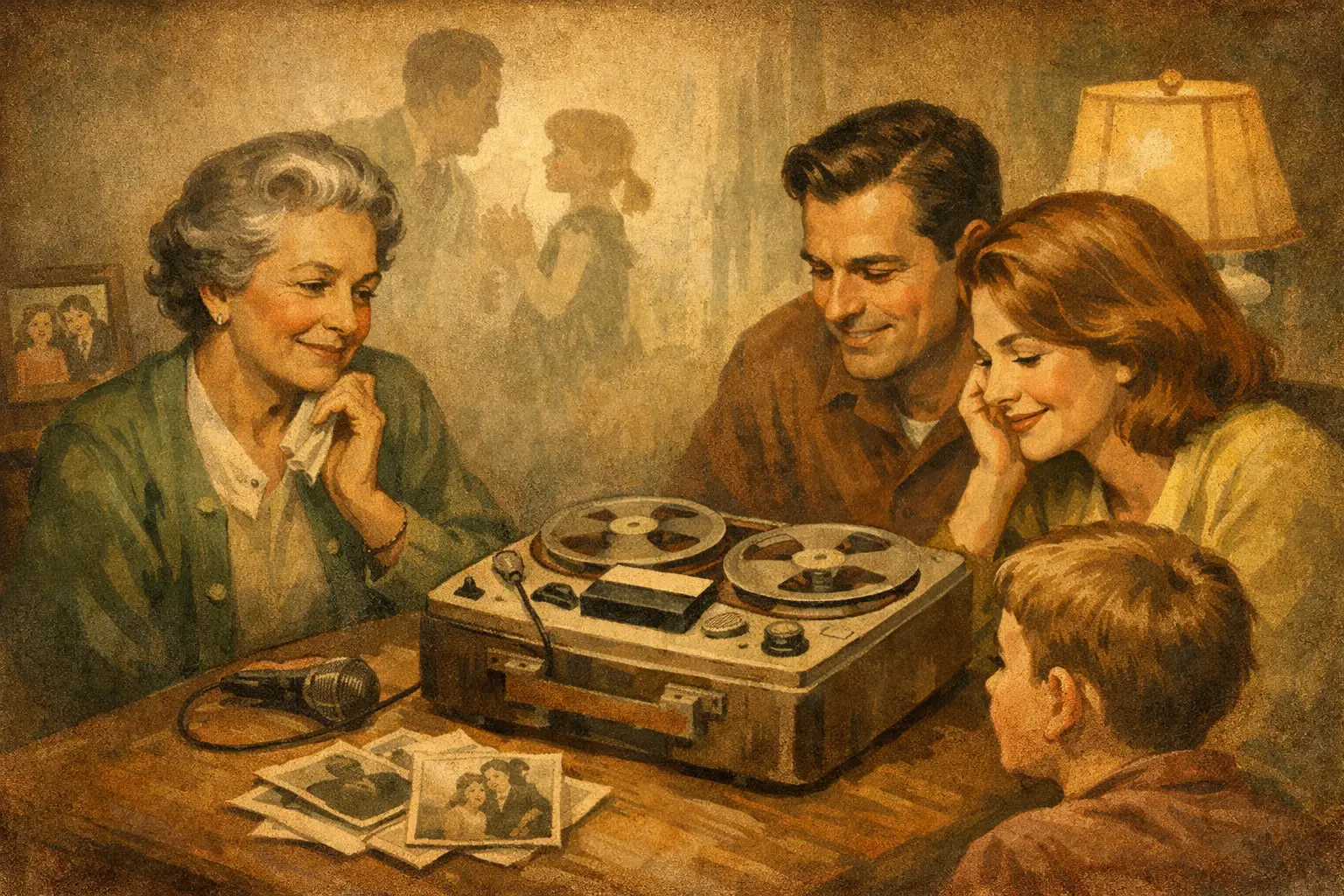
A familiar voice can bring someone close in an instant: a grandmother telling the same beloved story, a father offering birthday advice, a spouse laughing at a private family joke. But before recording or sharing those moments, many families ask a reasonable question: are voice recordings private?
The honest answer is: it depends on how the recording was made, where it is stored, who can access it, and what the speaker agreed to. Privacy is not simply a setting you turn on after the fact. It is a promise built through consent, thoughtful storage, and clear choices about sharing.
For families preserving stories and messages, those choices matter. A voice recording can be deeply personal. It deserves the same care you would give a handwritten letter, family photo album, or private conversation.
Are Voice Recordings Private by Default?
Not always. A recording saved only on your phone may feel private, but it can still be available to anyone who has access to your device, account backup, or shared photo and file libraries. A recording uploaded to an online platform may be protected by an account password, yet privacy also depends on that platform’s policies, security practices, and sharing controls.
In practical terms, a recording is most private when access is limited intentionally. That usually means knowing who owns the account, who holds the login credentials, whether recordings are encrypted or protected, and whether a link can be forwarded beyond the people you intended to hear it.
For legacy recordings, privacy also has an emotional dimension. Some messages are meant for everyone: a favorite recipe in an uncle’s voice, a military memory, a welcome message at a memorial. Others are meant only for children, a spouse, or one trusted friend. Neither choice is more meaningful. The right choice is the one that honors the speaker’s wishes.
Consent Comes Before the Record Button
The clearest privacy protection is permission. Whenever possible, tell a person you would like to record them and explain why. A simple sentence can make a meaningful difference: “I want to save your stories so the family can hear them in your own voice.”
Consent is especially important when a conversation includes sensitive subjects, such as health, finances, family conflict, religious beliefs, or private messages for specific people. A loved one may be happy to share memories broadly but prefer that certain recordings remain private until after their death, or remain available only to named family members.
Laws around recording conversations vary by state. Some states allow one person in a conversation to consent to recording, while others generally require everyone involved to consent. If you are recording a phone call, a group conversation, or someone who lives in another state, the safest and most respectful approach is to get clear permission from everyone being recorded.
This does not need to be formal or intimidating. For a family legacy project, a spoken confirmation at the beginning can be helpful: “I know you are recording this, and I’m comfortable sharing these stories with our family.” For highly sensitive recordings or more public uses, written permission may offer additional clarity.
Where the Recording Lives Matters
A voice recording can pass through more places than families realize. It may be created on a phone, automatically backed up to a cloud account, texted to relatives, downloaded to a computer, and later uploaded to a memorial page. Each step can change who has access and how easily the file can be copied.
Before choosing where to preserve a voice, ask a few practical questions. Is the account controlled by your family? Can you choose whether recordings are private, shared with invited people, or publicly accessible? Is there a clear process for family members to manage access in the future? And, just as importantly, does the service explain how recordings are stored and protected?
Permanence should not mean loss of control. A family should be able to preserve a loved one’s voice for generations while still deciding who hears it today. That balance is particularly important for memorial pages connected to a QR code. A plaque may be placed in a public setting, but the stories behind it do not have to be open to the entire internet.
At VoiceForEternity, the purpose is to help families create lasting listening experiences with care, allowing loved ones’ voices and memories to be organized and shared in ways that feel appropriate to the family. The goal is not simply to save an audio file. It is to preserve a person’s presence with dignity.
Sharing a Recording Is Different From Storing It
Many privacy concerns arise not from recording itself, but from sharing. Sending an audio file in a family group text may be convenient, but it gives every recipient the ability to save, forward, or repost it. A public social media post can reach people far beyond the family circle, even when the original intention was loving and sincere.
That does not mean families should avoid sharing. Hearing a loved one’s voice can be a profound comfort during a funeral, anniversary, birthday, or quiet moment of grief. It simply means the sharing method should fit the message.
A general life story might belong on a memorial page accessible to friends and extended family. A final message for grandchildren may be better reserved for a private group. A recording that mentions other people by name may require an extra conversation before it is shared more widely.
It can help to think in layers. Some recordings are for public remembrance. Some are for family remembrance. Some are for one person alone. Deciding which layer applies before sharing prevents difficult misunderstandings later.
Be Thoughtful With Voice Cloning and AI Tools
A person’s voice is more than sound. It can be tied to identity, memory, and increasingly, voice-based technology. Some tools can use recordings to create summaries, transcripts, or searchable story collections. Others may use voice samples for synthetic or cloned speech.
These uses are not the same, and families should understand the difference. A transcript or story summary can make precious memories easier to find and share. Voice cloning creates a new audio output that may sound like the person, which raises additional questions about permission, ownership, and emotional comfort.
Before uploading a recording to any service, review whether the provider uses audio to train artificial intelligence models, whether families can opt out, and what happens to recordings if an account is closed. For a deceased loved one, the question is not only what is legally permitted. It is also what they would have wanted.
A Simple Privacy Plan for Family Recordings
You do not need to become a privacy expert before recording a parent, grandparent, or spouse. A few intentional decisions can protect both the recording and the relationship behind it.
- Ask permission before recording, especially during phone calls or sensitive conversations.
- Agree on the intended audience: public, extended family, close family, or a specific person.
- Keep account credentials secure and decide who should be able to manage them later.
- Avoid including private details that could harm someone if heard outside the intended circle.
- Choose a preservation service that explains its storage, access, and sharing practices clearly.
It is also wise to label recordings with context. A short note such as “For the grandchildren,” “Share after my passing,” or “Private family story” can guide future relatives who may not know the original intention. These small instructions can be an act of care for the people who will inherit the recordings.
Privacy Can Be Part of the Gift
Families sometimes postpone recording because they worry about doing it perfectly. But the first recording does not need to be polished, public, or permanent. It can be a private conversation saved for now, with sharing decisions made later.
Start with a question your loved one would enjoy answering. Ask about their first job, the home they grew up in, how they met their partner, or what they hope future generations remember. Let them know they remain in control of what is recorded and who will hear it.
The most meaningful preservation begins with trust. When a loved one knows their voice will be treated with respect, it becomes easier to speak openly, laugh freely, and leave behind something no written record can fully replace: their voice, in their own words, for the people who love them.