Audio Guestbook Alternatives for Lasting Memories
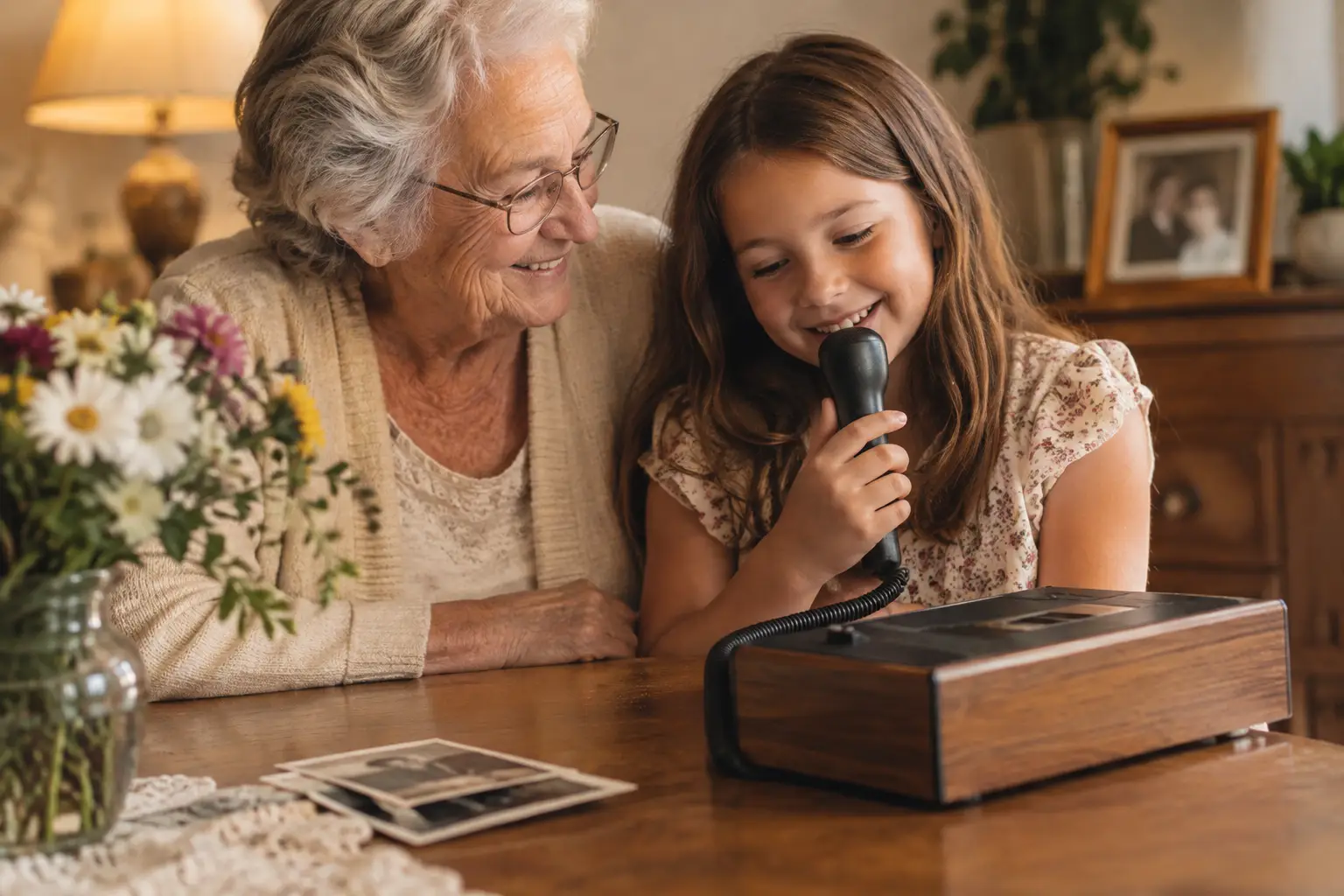
A recorded voice can change the way a memory feels. A laugh between sentences, a familiar greeting, the pause before someone shares a hard-won lesson - these small details often carry more comfort than words on a page. That is why families looking for audio guestbook alternatives are often seeking more than a different recording device. They are looking for a meaningful way to keep a person close.
Traditional audio guestbooks have a place, especially at weddings, anniversaries, and celebrations where guests leave short messages during one special day. But when the purpose is remembrance, legacy, or preserving the voice of someone you love, a single-event recording may not be enough. Families may need time, privacy, guidance, and a place where many voices can come together.
Why a traditional audio guestbook may not fit every family
An audio guestbook is usually built around immediacy. A guest picks up a handset, hears a greeting, and leaves a message. The format is charming and approachable, but it is often designed for a moment rather than for a lifetime of memories.
For a memorial, the questions are different. Can a daughter record a story from another state? Can grandchildren add memories months later? Can a parent’s own voice be captured while they are still able to tell their story? Will the recordings be organized in a way that feels respectful, rather than becoming a folder of unnamed audio files?
There is no wrong choice. A simple event guestbook can be deeply moving when the goal is to collect voices from one gathering. Still, families preserving a legacy often benefit from an option that allows recordings to grow over time and remain easy to revisit.
Audio guestbook alternatives for remembrance and legacy
The right alternative depends on whose voice you hope to preserve, who should be able to contribute, and how the recordings will be shared. These options serve different needs.
A shared digital memorial page
A dedicated memorial page gives family and friends a central place to record and listen to memories. Instead of asking everyone to speak during a brief service or reception, contributors can participate from home, on their own schedule, with space to collect their thoughts.
This approach works especially well when loved ones are spread across the country. A cousin can share a childhood story from California, while a lifelong friend records a message from the hometown. The result can feel less like a guestbook and more like a living family archive.
Look for a format that organizes recordings clearly and lets families add written context, photos, and stories when helpful. Audio is powerful on its own, but a name, date, or brief description helps future generations understand who is speaking and why the memory matters.
Guided life-story recordings
Sometimes the most important voice to capture is the loved one’s own. Guided recordings create room for a parent, grandparent, spouse, or friend to answer meaningful questions in their own words.
The questions do not need to be grand. Ask about the house they grew up in, their first job, how they met their partner, a meal they loved to cook, or advice they would want a grandchild to hear. A person who says they have nothing interesting to share may open up when asked about the songs they remember from high school or the first time they felt proud of themselves.
This alternative is particularly valuable before a loss, during a period of transition, or when a family recognizes that time together is precious. It can feel emotional to begin, so keep the first conversation short. One honest answer is more valuable than a perfect interview.
Phone-based voicemail collections
For relatives who are not comfortable with apps or computers, a phone number that accepts recorded messages can be a gentle, familiar option. Callers simply leave a voicemail, much as they would when calling a friend.
Phone-based collection lowers the technical barrier, but it has trade-offs. Families should ask how recordings will be saved, labeled, accessed, and backed up. A voicemail inbox alone may be convenient at first, yet difficult to organize or share years later. It is best suited for collecting messages when there is also a clear plan for long-term preservation.
Private family audio archives
Some families prefer to create their own archive using recordings already on phones, old voicemails, videos, and newly recorded conversations. This can be a personal and flexible path, especially for people who enjoy organizing digital files.
The challenge is continuity. Files may be spread across devices, accounts, and family members. Naming recordings consistently, keeping copies in more than one location, and sharing access with trusted relatives can prevent a treasured voice from becoming difficult to find. This option offers control, but it also asks someone in the family to take on the work of maintaining it.
What to look for in a lasting alternative
A moving recording is only the beginning. Before choosing a platform, service, or do-it-yourself approach, consider whether it supports the practical side of remembrance as carefully as the emotional side.
First, consider access. The people who should hear and contribute to the memorial may include older relatives, young grandchildren, and family members in different locations. Recording should feel simple, whether someone is using a phone or a browser.
Next, consider ownership and long-term costs. A monthly subscription may make sense for some services, but families should understand what happens if payments stop or a company changes its offering. One-time pricing can bring welcome clarity for a memorial intended to remain part of a family’s story.
Organization matters, too. A collection grows more meaningful when recordings are easy to identify by speaker, topic, or occasion. A message from a childhood friend, a grandchild’s goodbye, and a father’s account of his military service deserve context that helps listeners return to them.
Finally, think about how remembrance will be encountered. A private digital archive may be right for intimate family listening. Others may want a way for visitors at a gravesite, urn, garden, or memorial plaque to hear a voice and understand the person behind a name and dates.
From a recording to a place of remembrance
A physical marker tells people where to pause. A voice can tell them who they are remembering.
For families who want both, a QR-linked memorial plaque can connect a meaningful place with a collection of stories and recordings. At a headstone, columbarium niche, urn, or memorial garden, a visitor can hear a familiar voice, listen to a message from family, or learn about a life in the person’s own words. It creates an experience that is quiet, personal, and available even to relatives who never had the chance to meet them.
VoiceForEternity brings together browser- and phone-based recording, family collaboration, organized memorial pages, and engraved QR plaques with one-time pricing. The goal is not to replace the rituals that help families grieve. It is to give those rituals a lasting voice.
Start with one question, not a perfect plan
Families sometimes delay recording because they worry about asking the wrong question or becoming too emotional. There is no script that can make these conversations effortless. But a simple invitation can be enough: Tell me about a time you felt most at home. What do you want your grandchildren to know? What always made you laugh?
If you are gathering messages after a loss, invite people to speak naturally. A favorite phrase, a memory of a holiday, or even a few seconds of laughter can be a gift. Let contributors know that short recordings are welcome. The goal is not a polished performance. It is presence.
Years from now, the most cherished recording may not be the longest or most eloquent one. It may be the voice that says a familiar nickname, tells a story only the family understands, or simply says, I love you. Giving that voice a safe and lasting home is one of the most tender ways to keep a life within reach.