Living Legacy Planning: Preserve What Matters
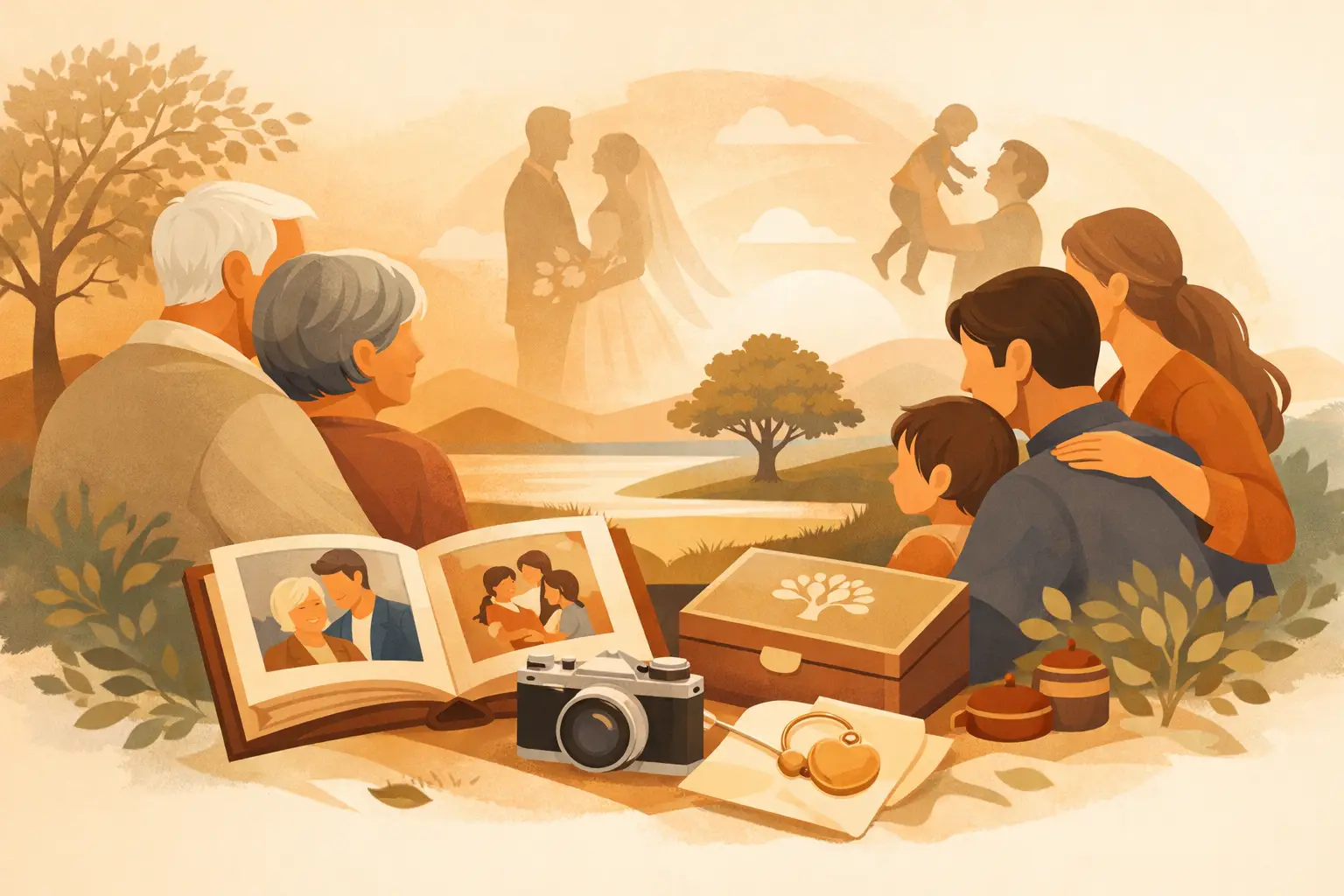
A familiar voice can bring someone back into the room. It can carry a laugh, a favorite saying, the rhythm of a bedtime story, or the comfort of hearing, “I’m proud of you.” That is why living legacy planning is not simply another estate-planning task. It is a chance to preserve the part of a person that documents and photographs cannot fully hold: their presence.
For many families, this work begins before there is any urgent reason to begin. A parent is getting older. A grandchild is asking questions about family history. A milestone birthday or anniversary creates a natural pause. These moments offer an opportunity to save stories while the storyteller can still share them in their own words.
What Is Living Legacy Planning?
Living legacy planning is the intentional process of recording and organizing the memories, beliefs, voice, guidance, and personal history someone wants to leave with the people they love. It can include practical information, but its deepest purpose is relational. It helps future generations understand not only what happened in a person’s life, but who they were within it.
A will can distribute belongings. An obituary can mark the facts of a life. A living legacy can preserve the stories behind the heirloom, the family recipe, the hard decision, the first home, the love story, and the lesson learned along the way.
This does not need to be formal or overwhelming. Some people want to create a complete life story. Others may only feel comfortable recording a few messages for children, grandchildren, or a spouse. Both approaches matter. A two-minute recording in someone’s own voice may become one of the most meaningful things a family keeps.
Why Families Wish They Had Started Sooner
After a loss, families often say the same thing: “I wish we had asked more questions.” They may remember fragments of a story but not the details. They may have photographs of a grandparent but no recording of their voice. They may know that a loved one served in the military, immigrated as a child, built a business, or raised a large family, yet never learned how those experiences felt to them.
The difficulty is rarely a lack of love. More often, life gets busy, conversations feel too personal, or families assume there will be more time. Legacy planning gently makes room for those conversations now.
It also gives the person sharing their story a sense of agency. Instead of having their life summarized only by others later, they can choose what they want remembered. They can offer a blessing, explain a family tradition, tell a story that still makes them laugh, or simply say the words their family may need to hear one day.
Start With the Voice, Not the Timeline
Many people freeze when they imagine documenting an entire life from beginning to end. A timeline has value, but it is not always the best place to start. Begin with the memories that carry feeling.
Ask about a childhood home. Ask who made them feel safe. Ask how they met their partner, what they were most proud of, or what they want younger family members to know. One answer naturally leads to another, and the conversation often becomes easier once the pressure to “tell everything” is gone.
Questions that invite real stories
Good legacy questions are open enough to welcome memories, but specific enough to avoid the blank feeling of, “Where do I begin?” You might ask:
- What is a small moment from childhood that you still remember clearly?
- Who taught you an important lesson, and what did they teach you?
- What family tradition do you hope continues?
- What was one difficult season that changed you?
- What do you want your children or grandchildren to remember about you?
Let pauses happen. Do not rush to fill silence. A thoughtful pause may be where the most meaningful story begins.
Make It Comfortable, Not Perfect
The best legacy recordings do not sound scripted. A little laughter, an emotional pause, or a story told twice can make a recording feel more human, not less. The goal is not polished performance. The goal is to preserve a person as the people who love them know them.
Choose a quiet, familiar place and set aside more time than you think you need. One meaningful conversation is enough for a first session. You can return another day for family history, favorite memories, personal advice, or messages for future milestones.
If your loved one feels hesitant, make the process collaborative. Share a story of your own first. Bring out an old photo, a recipe card, a military medal, or another object that may prompt memories. Sometimes the easiest invitation is simply, “I would love to hear you tell that story in your own voice.”
It is also wise to ask permission before recording and to talk openly about who should be able to hear the material. A legacy should feel like a gift, never an extraction. Respecting privacy and personal boundaries builds trust throughout the process.
Include More Than Family History
A complete living legacy is not only about the past. It can also hold a person’s values for the future.
Consider recording messages for moments your loved one may not be present to witness: a graduation, a wedding, the birth of a child, a new home, or a season when someone needs encouragement. These messages can be deeply comforting, especially when they contain familiar words of reassurance in a familiar voice.
Practical wisdom deserves a place, too. A parent might explain why they made certain financial choices, how they cared for a garden, what they learned from a long marriage, or the advice they hope their family remembers. The most ordinary details can become precious over time because they reveal how someone moved through the world.
Organize It So It Can Be Found
Recording stories is only the first step. A legacy is most useful when the right people can find and understand it.
Name recordings clearly by topic, person, or date. Group related memories together, such as childhood, work, family traditions, faith, travel, or personal messages. If a story refers to a photograph or object, note that connection. A few simple labels can prevent a collection from becoming a folder of files that no one knows how to revisit.
Families should also decide where the legacy will live and who will help care for it. Keeping recordings only on one phone or computer can create worry if devices are lost, passwords are forgotten, or files are scattered among relatives. A dedicated memorial and legacy-preservation space can give families a clearer way to organize stories, invite contributions, and return to them together.
VoiceForEternity is built around this need, helping families record and preserve voices, memories, and messages in a QR-linked memorial experience that can be shared across generations. For some families, a physical engraved plaque placed at a gravesite, urn, garden, or memorial location offers a meaningful bridge between a place of remembrance and the living voice behind it.
Let the Family Participate in Their Own Way
Legacy planning does not have to rest on one person’s shoulders. A sibling may remember one chapter of a parent’s life more clearly than another. A cousin may have old photographs. A grandchild may ask the question that opens an unexpected story.
At the same time, collaboration needs gentle boundaries. Not every memory needs to be shared publicly, and not every family member will be ready at the same time. Decide together which stories are private, which can be shared with close family, and which belong on a broader memorial page. Clear expectations protect both the storyteller and the relationships around them.
When families live far apart, audio recordings can be especially powerful. A loved one’s voice can reach a grandchild across the country, a sibling serving overseas, or a relative who could not attend a memorial. Distance changes when a person can still be heard.
The Right Time Is Usually Earlier Than You Think
Living legacy planning is often associated with illness or end-of-life decisions, and it can be especially meaningful during those tender seasons. But it is not reserved for them. Starting earlier gives everyone more ease, more energy, and more time for stories to unfold naturally.
A birthday, holiday gathering, retirement, family reunion, or quiet Sunday visit can be enough. You do not need a perfect plan, expensive equipment, or a complete list of questions. You only need a willingness to listen and a way to keep what is shared safe and accessible.
One day, the recording you make may be the first thing someone plays when they need comfort. Begin with one question, one story, and one familiar voice. That is how a living legacy takes root.