How to Create Legacy Messages That Feel True
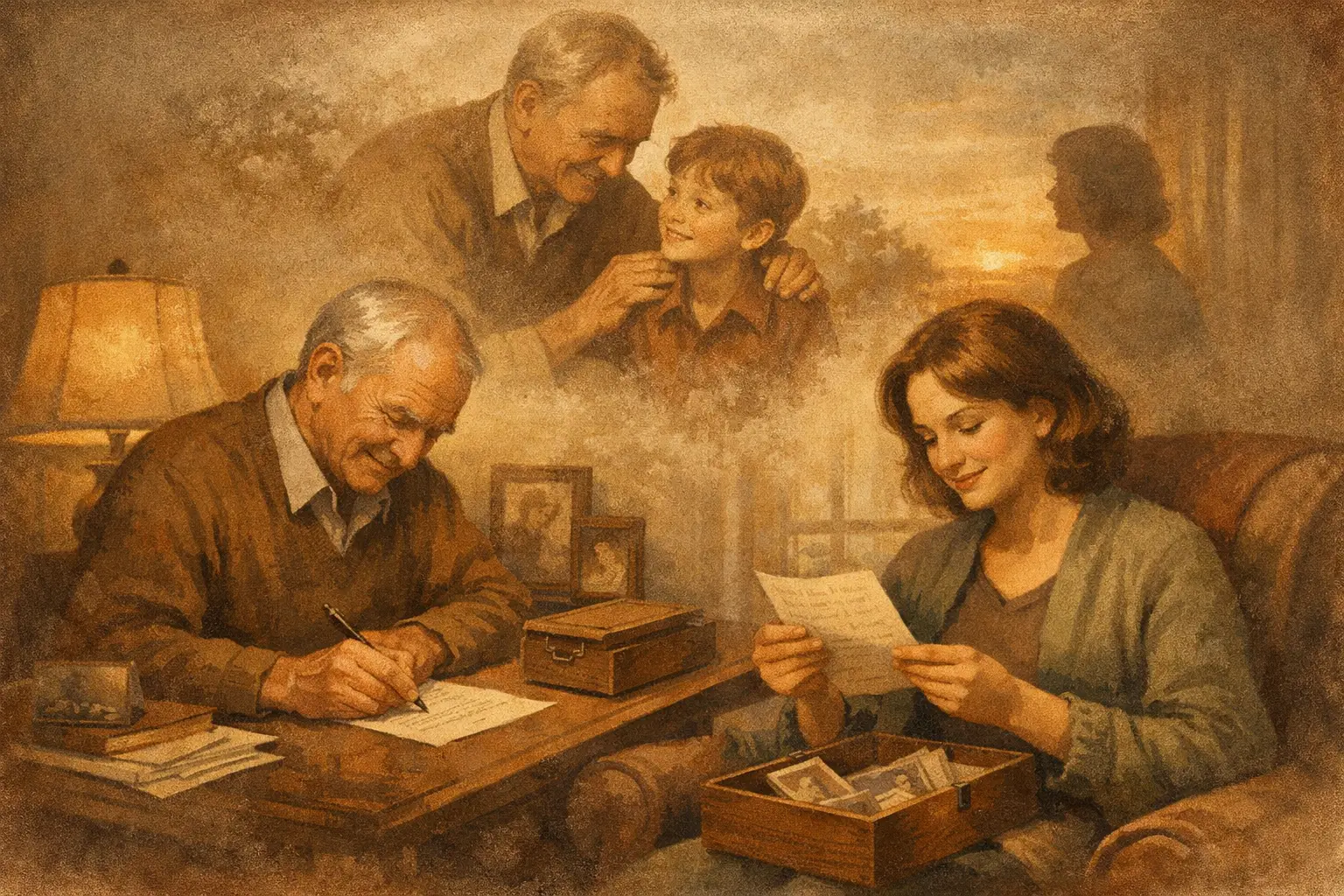
A familiar voice can bring someone close in an instant. The way your mother says your childhood nickname, your grandfather’s pause before a punchline, or your spouse’s calm reassurance can carry more comfort than a photograph ever could. Learning how to create legacy messages gives your family a way to hold onto those irreplaceable moments, in the words and voice of the person they love.
A legacy message is not a performance, a formal life story, or a final speech that has to cover everything. It can be a short recording, a letter, a favorite memory, or a few words meant for a future milestone. What matters most is that it sounds like them.
How to Create Legacy Messages That Feel Personal
Begin with the person, not the technology. Think about what people naturally come to them for: advice, humor, family history, perspective, faith, recipes, encouragement, or the ability to make a hard day feel lighter. The strongest messages preserve that particular gift.
There is no need to wait for the “right” time or a perfectly planned interview. In many families, the most meaningful recordings happen around a kitchen table, during a visit, or after someone says, “Tell me about when you were young.” A phone or computer is enough to begin. The goal is to capture a real voice, not create a flawless production.
If a loved one is living with illness, memory loss, or fatigue, keep sessions gentle and brief. One clear story or message is more valuable than a long recording that leaves them exhausted. You can return another day if they want to continue.
Choose a purpose, then leave room for surprise
Some legacy messages are intended for a specific person or occasion. A parent may want to record birthday wishes for children or grandchildren, thoughts for a wedding day, or reassurance to be heard during a difficult season. Others are meant for the whole family: stories of immigration, military service, a first job, how two people met, or the values that guided a life.
A little intention helps, but do not make the plan too narrow. Often, the unscripted details become the part everyone treasures. The mention of a beloved dog, the sound of laughter after a forgotten date, or a phrase repeated for decades can become a family touchstone.
Ask Questions That Invite Stories, Not Just Facts
Questions that can be answered with a date or name tend to end quickly. Ask questions that make room for feeling, context, and personality instead. Rather than asking, “Where did you grow up?” try, “What did home feel like when you were a child?”
You might ask about the people who shaped them, the risks they took, the work they were proud of, or what they wish younger family members understood. Ask what made them laugh, what carried them through loss, and what traditions they hope will continue. If faith or cultural heritage matters in your family, invite them to speak about it in their own words.
It can also help to ask for a message directly: “What would you want your grandchildren to hear when they need courage?” That question may feel tender, but it gives a loved one permission to offer the guidance they have carried quietly for years.
Not everyone is comfortable answering emotional questions immediately. If they change the subject or give short answers, follow their lead. Start with familiar stories, photos, music, or places. Trust grows when the conversation feels like time together, not an assignment.
Preserve Their Natural Voice
A legacy message does not need polished language. In fact, editing out every pause, laugh, or imperfect sentence can remove the very qualities that make a recording feel alive. Let the speaker use their own expressions. Let them correct themselves. Let there be quiet.
For clearer audio, choose a calm room, silence televisions and notifications, and place the phone or microphone nearby without making it intrusive. Record a short test first. If several people are in the conversation, say their names occasionally so future listeners understand who is speaking.
Audio is especially powerful because voice carries emotion beyond the words themselves. A written message can tell someone, “I love you.” Hearing it spoken in a familiar voice can make that love feel present again.
Keep recordings manageable
Long conversations have their place, particularly for family history. But shorter recordings are easier to revisit and share. Consider creating separate messages around one theme at a time: a favorite childhood memory, lessons about marriage, a story about a parent, or advice for a new baby.
This approach also takes pressure off everyone involved. You do not have to preserve an entire life in a single afternoon. A collection can grow over time, becoming a fuller picture through many small moments.
Organize Messages So They Can Be Found Later
A recording only becomes a lasting legacy when your family can understand what it is and access it when they need it. Give each message a clear title, such as “Dad’s story about meeting Mom” or “Grandma’s advice for future birthdays.” Add the date, names of people mentioned, and a few notes about the occasion.
If you have photographs, documents, or handwritten notes connected to a story, keep them with the recording where possible. The photo of an old house means more when it sits beside the voice describing who lived there. Still, do not let gathering every detail delay the recording. The voice comes first.
Think carefully about access as well. Families are often spread across cities and generations. Decide who should be able to listen, contribute stories, or help organize the collection. A trusted family member should know where the messages are stored and how to reach them.
Permanence matters here. Services that depend on recurring subscriptions can create understandable worry about what happens if payment stops or a platform changes. Choose a preservation method designed for long-term family access, with clear ownership and a plan that does not leave your memories in limbo.
Make Space for Every Kind of Legacy Message
The most meaningful collection is rarely limited to one person’s voice. Siblings may remember the same childhood differently. A friend may tell a story the family has never heard. Children and grandchildren can record what a loved one meant to them, creating a conversation across generations.
There are also messages that do not have to wait until the end of life. A grandparent can record stories now. A parent can leave encouragement for a child heading to college. Partners can preserve the ordinary words that make up a shared life. Creating these messages early gives everyone more freedom, more energy, and more chances to add to them.
For families who want a dedicated place to gather and share recordings, VoiceForEternity can preserve voices, stories, and personal messages on a permanent QR-linked memorial page. That can make a graveside visit, a family gathering, or a quiet moment at home feel more connected to the person being remembered.
The best time to record a legacy message is often before anyone feels ready. Start with one question, one story, or one minute of someone’s voice. Years from now, your family may not remember whether the recording was perfect. They will remember that they can still hear the person they love.