Can Relatives Add Stories to a Memorial Page?
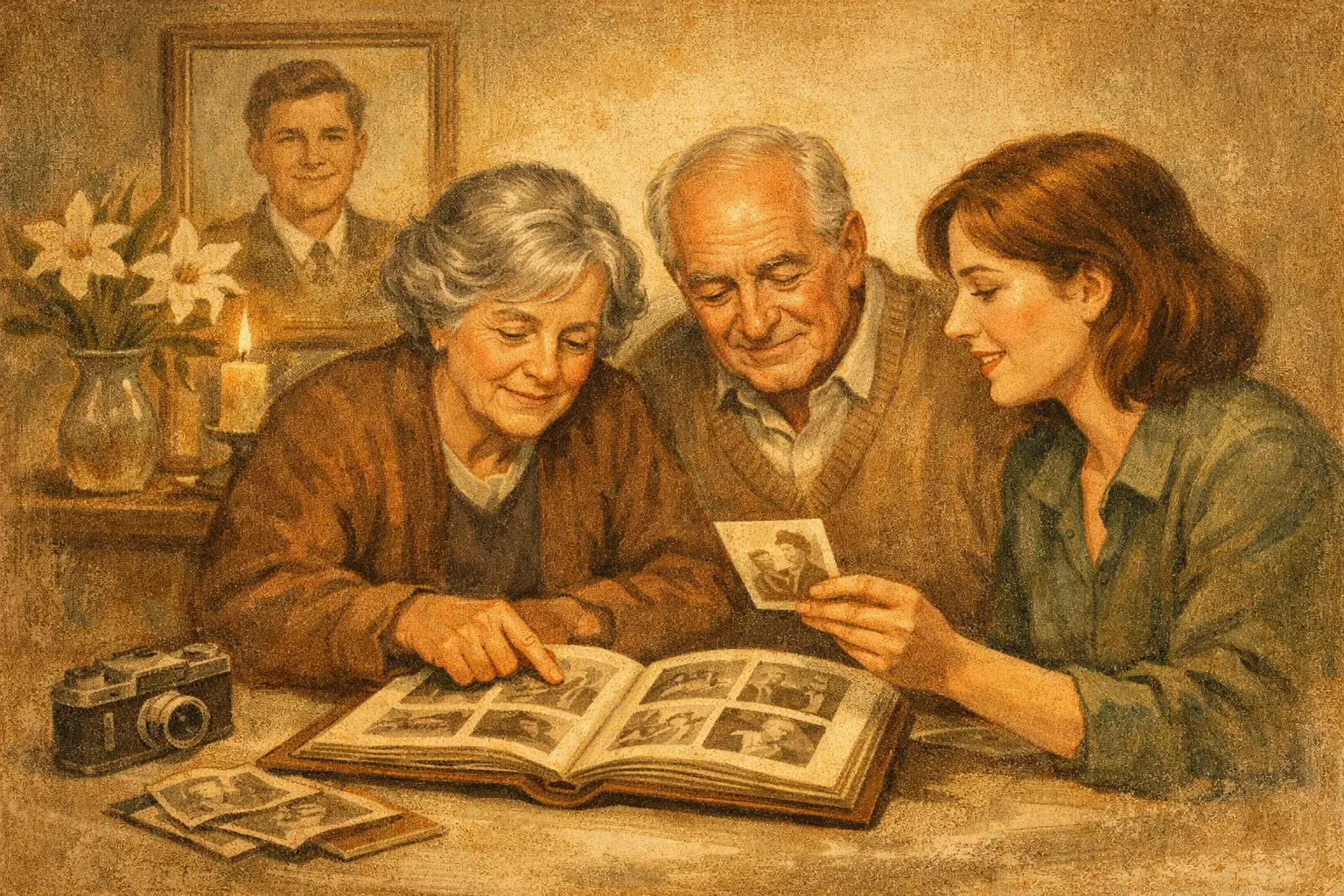
A memorial page should not have to hold only one person’s version of a life. When families ask, “can relatives add stories,” they are often asking something deeper: Can everyone who loved this person help keep their memory present? The answer should be yes, with a process that feels welcoming, respectful, and thoughtfully protected.
A daughter may remember her father’s steady advice on a difficult day. A cousin may remember the song he played every summer. A longtime friend may remember the laugh that filled a room before anyone else had spoken. No single obituary, photograph album, or speaker at a service can hold all of that. A shared memorial creates room for the pieces that make a person whole.
Can Relatives Add Stories After a Memorial Is Created?
They can, when the memorial’s owner chooses to invite them. Family collaboration allows relatives to contribute memories, photographs, written tributes, and, where available, recordings in their own voices. That matters because remembrance does not end when the service is over. Often, stories surface weeks, months, or even years later, when someone sees an old recipe card, hears a familiar phrase, or finally feels ready to speak.
The best approach is not to give every visitor unrestricted control. A memorial is personal, and families deserve to decide how it is cared for. Instead, the person who creates or manages the page can invite relatives to contribute while keeping final approval over what is shared publicly. This balance gives loved ones a meaningful role without leaving the page vulnerable to mistakes, unwanted edits, or family tension.
For many families, one person acts as the page steward. This may be a spouse, adult child, sibling, or trusted friend. Their role is practical, but it is also loving: they organize contributions, protect the tone of the memorial, and make sure important memories are not lost in a group text or social media feed.
Why Shared Stories Matter So Much
A life is rarely understood through dates alone. We remember people through their sayings, rhythms, gestures, beliefs, and the ordinary moments that become precious only after they are gone.
Written memories are valuable, but recorded voice can carry something text cannot. The pause before a favorite family story. The emotion in a granddaughter’s voice as she recalls being taught to fish. The gentle humor of an old friend describing a familiar joke. These details can make a memorial feel less like a record of loss and more like a place of ongoing connection.
This is especially meaningful for younger family members. A child may not remember much about a great-grandparent firsthand, but they can hear how that person was loved. They can listen to an aunt describe Sunday dinners, or to their own parent share a message that preserves family history in a human, recognizable voice.
VoiceForEternity is designed around this idea: a memorial can become a living collection of voices, stories, and messages, shaped by the people whose lives were touched by the person being remembered.
How to Invite Relatives to Share a Memory
The invitation does not need to be formal or emotionally complicated. In fact, a clear, gentle request often makes it easier for relatives to participate. People may want to contribute but hesitate because they do not know what would be helpful, whether their memory is important enough, or how much to say.
Start by explaining what you are collecting. Let them know that a short story is welcome. A few sentences about a holiday tradition, a lesson they learned, or a moment that still makes them smile can be just as meaningful as a long tribute. If audio recording is available, reassure them that they do not need to sound polished. A real voice, speaking naturally, is enough.
It also helps to offer a prompt rather than asking the broad question, “What do you remember?” Try asking: What phrase did they say often? What did they do that made you feel loved? What is one moment with them that you never want the family to forget? What would you want a future grandchild to know about them?
Give relatives time. Grief does not follow a schedule, and some people will be ready immediately while others may need space. Leaving the invitation open allows the memorial to grow at a pace that honors each person’s experience.
Set Clear Boundaries Before Contributions Begin
Family stories can be tender, funny, complicated, and sometimes conflicting. Clear expectations protect both the memorial and the people contributing to it.
Before inviting others, decide whether contributions will appear automatically or be reviewed first. Review is often the wiser choice, especially for a public or QR-linked memorial that may be visited by extended family, friends, or future generations. It allows the page steward to correct a name, confirm a date, remove private details, or ask a contributor for clarification without embarrassment.
Consider the intended audience, too. Some stories are perfect for a private family archive but may not belong on a memorial page accessible at a gravesite. A humorous memory involving a family disagreement, a medical detail, or a private hardship may be meaningful, yet better shared within a smaller circle. Privacy is not the opposite of remembrance. It is part of honoring someone with dignity.
When memories differ, there is no need to force one official version of every event. Two siblings may remember the same childhood tradition differently. Both perspectives can be true to the emotional experience of the person sharing them. The goal is not to create a flawless biography. It is to preserve the love, character, and connection behind the memory.
Make It Easy for Every Generation to Participate
A shared memorial works best when contributing does not require technical confidence. An older relative may prefer to tell a story aloud over the phone. A busy adult child may record a memory from their car after school pickup. A teenager may write a short note and add a photo. Each contribution has value.
If someone is unsure how to record, encourage them to speak as if they are telling the story to one family member. They can pause, start again, or keep it brief. The goal is not a professional performance. It is preservation.
Families who live far apart can also participate without waiting for the next reunion. That is one of the quiet gifts of a collaborative memorial. A brother in another state, a cousin serving overseas, and a lifelong friend who cannot travel can still leave something lasting. Their words and voices can stand beside one another in one place.
For a memorial connected to an engraved QR plaque, this shared collection takes on an added dimension. A visitor can scan the plaque and encounter more than a name and two dates. They may hear the person’s own voice, listen to a favorite story, or discover how they changed the lives of people around them.
What to Do When Someone Has Nothing to Say Yet
Silence does not mean a lack of love. Sometimes a relative is grieving too deeply to put a memory into words. Sometimes they are afraid of crying while recording. Sometimes they assume another person will tell the story better.
Let them know they can contribute later. They might begin with one simple sentence: “I will always remember how safe I felt with her,” or “He never let me leave without telling me he loved me.” A brief message can carry a lifetime of meaning.
You can also preserve a place for future contributions. Birthdays, anniversaries, holidays, and family milestones often bring memories forward. A page that welcomes additions over time acknowledges a truth many families know well: a person’s influence does not disappear. It continues to reveal itself in the stories we tell, the habits we inherit, and the love we pass on.
A Memorial Can Hold More Than One Voice
The most meaningful memorials are not crowded with content for the sake of it. They are cared for collections of what mattered: a voice message that makes someone feel close again, a story that would otherwise have vanished, a photo with context, a lesson preserved for the next generation.
Invite relatives with kindness. Give them simple prompts. Protect privacy with thoughtful review. Then allow the memorial to grow naturally, one honest memory at a time. The story of a life is not owned by one person. It is carried, lovingly, by everyone who was changed by it.