Memorial Privacy Settings Guide for Families
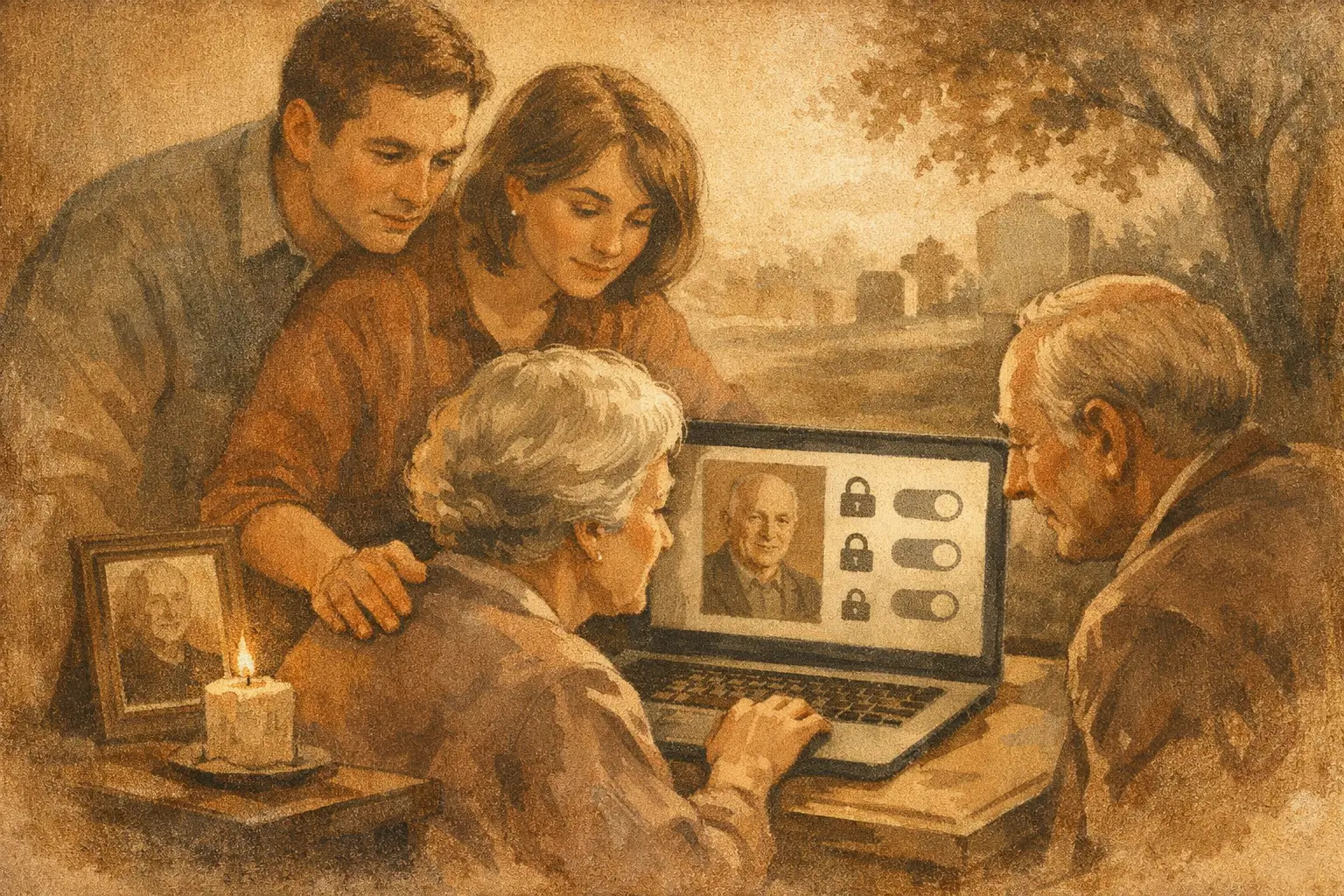
A memorial can hold the words a family most wants to keep: a father telling a familiar story, a grandmother laughing at a remembered joke, a spouse's message for the people they love. That intimacy is exactly why a thoughtful memorial privacy settings guide matters. The goal is not to hide a loved one's life. It is to decide, with care, who is invited to experience it.
Privacy choices are part of honoring someone well. They give families room to share meaningful recordings, photographs, and stories without feeling that every memory must be available to every person online. A few clear decisions at the beginning can prevent confusion later, especially when relatives live in different places or have different expectations about what should be shared.
Start with the purpose of the memorial
Before choosing a setting, consider what the memorial is meant to be. Some families want a public place of remembrance, where friends, former colleagues, and distant relatives can hear a voice or leave a tribute. Others want a quiet digital gathering place reserved for immediate family and invited friends.
Neither choice is more loving. It depends on the person being remembered and on the kind of connection the family hopes to preserve.
A public memorial may feel right for someone whose life touched a broad community, such as a teacher, veteran, artist, coach, or faith leader. A private memorial may offer greater comfort when recordings include tender family conversations, personal messages, young children, health details, or stories that were never meant for a wide audience.
It can also help to separate what is shared from what is preserved. A family may choose to make a short welcome message or selected life story available to visitors while keeping personal audio recordings and family-only memories within a private collection.
Memorial privacy settings guide: choose the right level of access
Most digital memorial platforms offer some version of public or private access. The decision is essentially about who can find the page, and, once someone has access, what they're able to do there.
Public access
A public memorial can be viewed by anyone who has the page address or scans a QR code on a memorial plaque. This can be a meaningful choice for a gravesite, urn, garden stone, or other place where visitors may wish to learn about the person being honored.
Public access works best when the material has been intentionally prepared for a wider audience. A short biography, carefully chosen photos, a favorite reading, and a welcoming audio message can create a beautiful experience without exposing every private detail of a family's life.
The trade-off is simple: public pages are easier for friends and future generations to discover, but the family has less control over who views them. Avoid including home addresses, account information, private medical records, legal documents, or other sensitive details that do not belong in a public remembrance.
Private access
A private memorial is visible only to the people the family approves. This option can feel especially appropriate for recent loss, complicated family circumstances, or recordings that carry deep emotional weight.
Private access gives loved ones a place to listen, grieve, and contribute without worrying that personal moments will travel beyond the circle of trust. It can also provide a gentler way to preserve a parent's stories while they are still living, allowing family members to record and organize memories before deciding what, if anything, should later be shared publicly.
Private doesn't mean closed off. The family can still invite the people who matter — siblings, cousins, close friends, caregivers — to view the memorial or add their own memories to it, without ever making the collection publicly searchable. This is especially useful when contributors are spread across states or countries: a daughter can upload a recording from home, a grandchild can add a photograph, and a lifelong friend can share a story, all within that same private circle.
Within that circle, it's worth setting clear roles rather than giving everyone the same level of access. One or two trusted people should have full administrative control, while other contributors can be allowed to add memories without changing settings or removing content.
The trade-off of private access is that relatives need an invitation to get in. Choose a family member who can help older relatives or less technical visitors join when needed.
Decide who can add, edit, and remove memories
Viewing access is only one part of privacy. Families should also decide who has permission to contribute and who can make permanent changes.
A memorial benefits from collaboration, but open editing can lead to accidental deletions, duplicate uploads, or well-meaning posts that feel too personal for the wider group. It is wise to appoint a primary memorial steward and a backup steward. These may be adult children, a spouse, a sibling, or another trusted person who understands the loved one's wishes.
The primary steward can organize content, approve contributions, update privacy preferences, and keep access information secure. The backup steward matters because memorials are created to outlast a single person's ability to manage them.
For contributors, establish a gentle family standard. Ask people to share stories they would be comfortable hearing at a memorial gathering. Encourage them to leave out private conflicts, identifying information about children, financial details, and anything that could cause harm or embarrassment if seen by the wrong person.
Treat QR-linked memorials with special care
A QR code placed on a headstone, urn, plaque, or garden memorial makes remembrance immediate. A visitor can scan it and hear a voice, see a photograph, or learn the story behind a name. That accessibility is powerful, but it should shape the privacy decision.
A QR code in a public cemetery or memorial garden can be scanned by anyone nearby. If it connects directly to a memorial page, assume that the page may be seen by strangers. This does not mean the experience has to be impersonal. It means the public-facing portion should be chosen with intention.
Many families create a welcoming public layer: a brief life story, favorite photos, an audio greeting, or a recording of a loved one speaking about what mattered to them. More intimate recordings can remain protected behind family access. This allows the memorial to invite connection while preserving the sacred details of family life.
VoiceForEternity is designed around this balance: making a loved one's voice accessible in a lasting way while giving families a meaningful role in how that voice is shared.
Ask for consent while it is still possible
When preserving the stories of an aging parent, grandparent, spouse, or friend, privacy should be part of the conversation from the beginning. A simple question can bring reassurance: "Who would you want to hear this?"
Some people are delighted by the thought of future generations hearing their voice. Others may want certain messages reserved for children, a partner, or a small circle of friends. Their preferences may change depending on the recording. A story about childhood may be perfect for everyone, while a message about illness, faith, regret, or family history may be intended for only a few people.
If a loved one cannot express their wishes, make decisions with humility. Consider their personality, past boundaries, and values. When family members disagree, choosing the more private setting is often the kinder starting point. Access can be expanded later; once a sensitive recording is widely shared, it may be difficult to pull back.
Build a simple family privacy plan
You do not need a formal legal document to create clarity, although estate planning guidance can be helpful for larger digital collections. A short written note shared with the memorial stewards can prevent uncertainty.
Include the memorial's access level, the names of the primary and backup stewards, and the general standard for new contributions. Note whether family members should ask before sharing recordings outside the memorial, posting clips on social media, or forwarding access details to others.
Also keep account recovery information in a safe place. The family should know how future stewards will access the memorial without relying on one person's email address, phone, or password. Long-term preservation is not only about storing memories. It is about making sure the right people can continue caring for them.
Revisit settings as the family's needs change
Privacy is not a decision made once and forgotten. In the first months after a loss, a family may prefer a private space while grief is raw and contributions are still being gathered. Later, they may decide to share selected memories with a larger community or add a QR-linked plaque that invites visitors to learn more.
The opposite can happen as well. A memorial that began publicly may need more structure as new recordings, personal letters, or grandchildren's contributions are added. Review access settings before major anniversaries, reunions, or memorial events, when more people may be invited to participate.
The most meaningful memorials are not measured by how many people can see them. They are measured by whether the people who matter can return to a familiar voice, a true story, and a presence that still feels close. Give your family permission to protect that closeness with the same care you bring to preserving it.