Who Owns Recordings of a Loved One After Death?
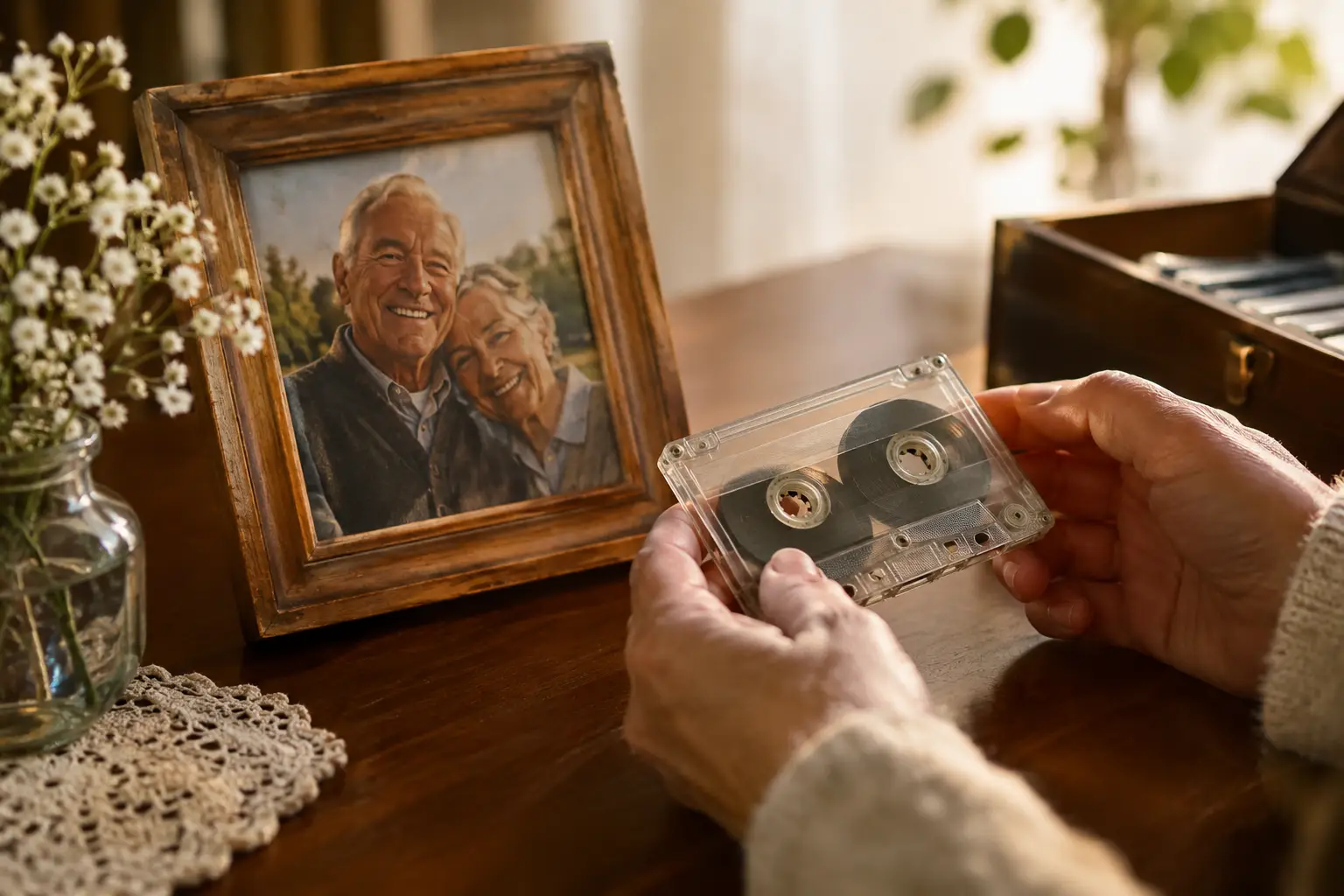
Ownership of recordings usually depends on who made the recording, which agreements apply, and the laws where the recording was created. A loved one’s voice and the recording itself can involve different rights. Families can reduce uncertainty by getting consent, keeping clear records, and choosing services with understandable terms.
A voice recording can feel like it belongs to everyone who misses the person speaking. Legally and practically, however, the answer may be more complicated. A recording made at a family dinner, an interview with a grandparent, a saved voicemail, and a professionally produced memorial audio file may each carry different questions about ownership, permission, and access.
Who Owns Recordings After Someone Dies?
Death does not automatically make all recordings of a person available for anyone to use. Rights connected to a recording may remain with the person who created it, pass through an estate, or be governed by a contract with a platform, studio, employer, or other organization.
Copyright law often treats the recorded audio as a creative work. The person or organization that recorded, produced, or commissioned the audio may have rights in that particular file. A relative who finds a recording on an old phone may possess the device and file, but possession alone does not always answer who may copy, publish, edit, or distribute the recording.
A loved one’s words can raise a separate question. Personal stories shared in a recording deserve care even where the legal answer is uncertain. Family trust, the speaker’s wishes, and the context of the recording should guide decisions alongside formal ownership rules.
State laws and the circumstances of a recording can change the outcome. Families facing a disagreement, a commercial use, or a concern about an estate should speak with a qualified attorney in their state. General information can help a family begin the conversation, but it cannot settle every situation.
Ownership Is Different From Permission
Ownership, access, and permission are often treated as the same thing, but they are not. One family member may hold the account password. Another may have created the recording. A third may be named as the personal representative of an estate. Each role can carry a different responsibility.
Permission also matters before a recording is made. Many states have laws about recording conversations, especially phone calls. Some states generally require the agreement of one participant, while others may require everyone involved to consent. Recording a meaningful conversation with a parent or grandparent can be a gift to a family, but the speaker should know and agree that the conversation is being recorded.
Respect should continue after consent is given. A person may be comfortable sharing a story with close relatives but not with a public audience. A family may decide to keep recordings within an invited group, limit who can download or add material, or ask relatives before sharing a sensitive message.
What Changes When a Platform Stores the Audio?
Platform terms can determine who controls an account and what the service may do to host, process, or protect recordings. Families should read those terms before uploading precious audio, especially if they expect several relatives to contribute over time.
A thoughtful service should explain, in plain language, whether the family keeps rights to its content, who can access the memorial page, and how account administration works. Hosting a file is not necessarily the same as owning the family’s memories. Even so, the service needs certain limited permissions to store, organize, and deliver audio to the people a family invites.
VoiceForEternity is designed around private or shared memorial pages where families can record, organize, and invite loved ones to contribute memories. Before adding recordings, families can decide who will manage the page, who may listen, and whether new contributions need a family conversation first. Clear choices early on can prevent hurt feelings later.
AI-generated story summaries deserve the same care. A summary may make a collection easier to revisit, but it should remain grounded in recordings the family has chosen to share. Families should understand how a service handles submitted content and should avoid uploading anything a speaker would not want included.
Can One Relative Share a Recording With Everyone?
A relative may be able to share a recording, but having the technical ability does not always mean sharing is wise or authorized. Family recordings often contain private details, old conflicts, medical information, financial references, or stories about people who are still living.
Consider a recording of a father describing a difficult period in his marriage. His adult children may treasure his honesty, while another relative may feel exposed or distressed by a broad distribution. A smaller listening group, a note of context, or a decision to hold the recording privately may honor both the speaker and the people named.
Public sharing creates additional concerns. A voice can be recognizable, emotionally powerful, and easy to copy once posted openly. Commercial use, promotional use, or use in a public project should receive much more careful review than sharing inside a family memorial space. Rights of publicity and privacy laws vary, and some states provide protections related to a person’s name, image, or voice after death.
A Family Agreement Can Prevent Confusion
Families do not need a formal legal document for every recording. A simple written agreement can bring comfort when several people are collecting stories or building a memorial together. The goal is not to turn remembrance into paperwork. The goal is to make sure everyone understands the care being taken.
A useful family note can name the person managing the account, describe who may be invited to listen, and explain how relatives can request changes or removal. Family members can also agree that contributors will record only stories they have a right to share and will ask before adding private material about someone else.
Questions worth discussing include:
- Who will be the primary account manager if the original organizer cannot continue?
- Will recordings remain private to invited family members or be shared more broadly?
- Can relatives download copies for personal use, and may they post excerpts elsewhere?
- How will the family handle a request to remove or limit access to a recording?
Written answers do not remove every hard decision, especially during grief. Shared expectations can make a difficult moment gentler and help relatives focus on the person whose voice brought them together.
How to Record With Care While There Is Time
The best time to discuss ownership and sharing is often before a recording is made. A quiet conversation can begin with a simple question: “Would you like us to save this story for the family?” Many people welcome the chance to decide what they want remembered and how they want it shared.
A speaker can also set boundaries story by story. One memory may be meant for children and grandchildren. Another may be intended only for a spouse or sibling. A short spoken note at the beginning of a recording can preserve that instruction: “Please share this with the family,” or “Keep this between us for now.”
Caregivers and adult children may worry about asking too much of an older relative. Small recordings often feel easier than a formal interview. A favorite childhood memory, advice for a new baby, the story behind a family recipe, or a message for a future birthday can become a meaningful part of a larger collection.
The Human Answer Matters, Too
Legal ownership matters because it helps families protect a loved one’s words and avoid conflict. Human stewardship matters because a voice carries more than information. A pause, a laugh, an accent, or the way someone says a familiar name can bring closeness that written words cannot fully hold.
Families can approach recordings as entrusted memories rather than files to be claimed. Asking permission, naming a responsible caretaker, honoring requests, and sharing with care all help keep the focus where it belongs: on the person speaking and the people who love them.
A recording does not have to answer every question about the past. Sometimes its greatest value is simply allowing a family to hear a beloved voice again, in the right setting and with the respect that voice deserves.
Drafted with AI assistance and reviewed by Steve. Learn more