Can Memorial Pages Be Shared With Family?
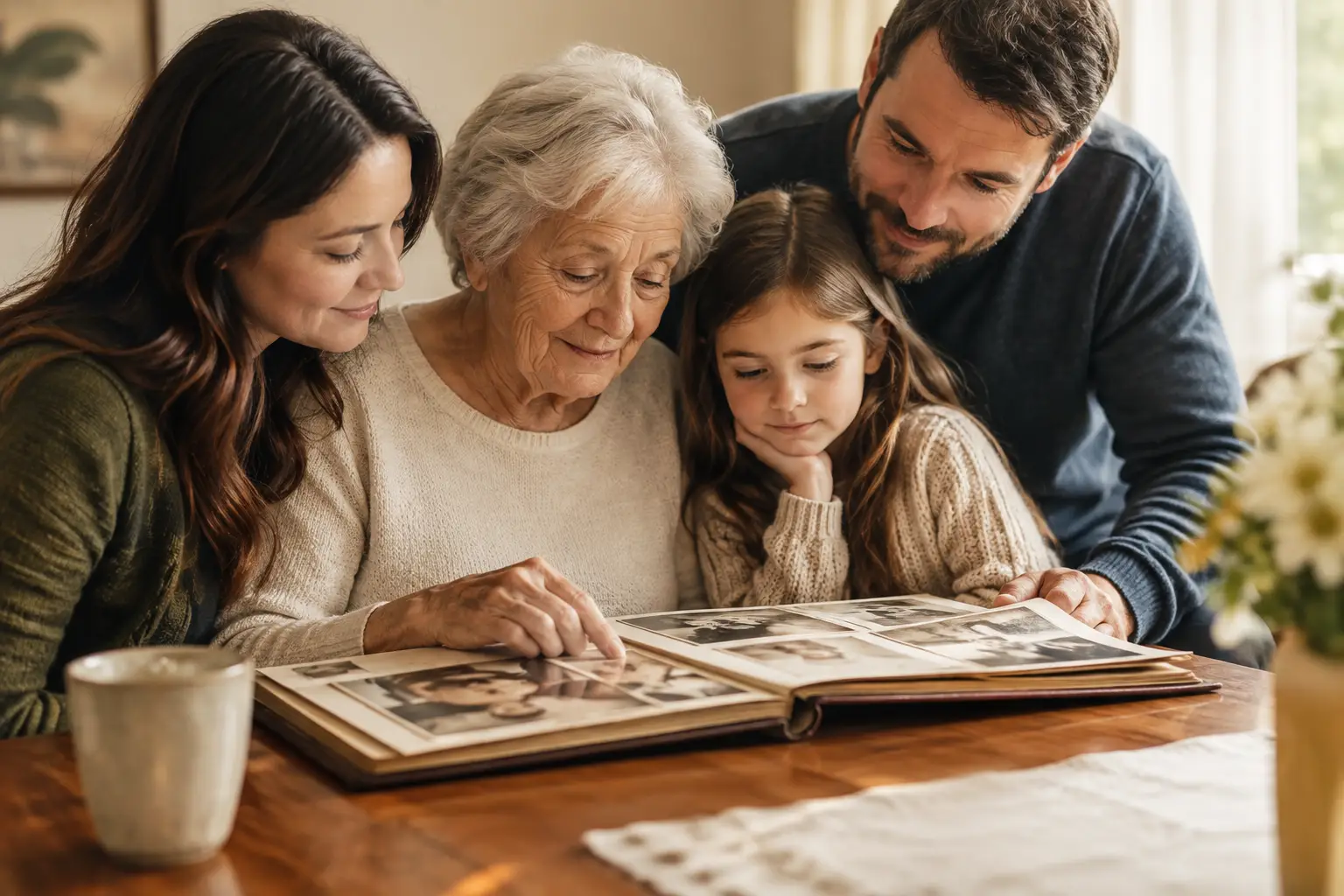
A memorial page can become a gathering place when family members live in different states, serve overseas, or simply cannot be together as often as they wish. So, can memorial pages be shared? Yes. When sharing is handled with care, it gives more people a way to hear a loved one’s voice, revisit their stories, and add their own memories without replacing the intimacy of personal grief.
The question is not only whether a page can be shared. It is who should receive it, what they should be able to see or contribute, and how the family wants that person’s life to be remembered. A thoughtful plan makes the page feel like an extension of their legacy, not another public post that disappears in a crowded feed.
Can memorial pages be shared safely?
They can, provided the family has meaningful control over access. A well-designed digital memorial should let the people closest to the loved one decide whether a page is private, shared only with invited relatives and friends, or available to a wider community.
For some families, a private page is the right choice. A spouse may want a small circle to hear final messages, private recordings, or stories that were meant only for children and grandchildren. In other cases, a public-facing page connected to a memorial plaque can offer comfort to former colleagues, neighbors, classmates, and future generations who visit a gravesite or place of remembrance.
Neither choice is more loving than the other. Privacy can protect a family during a tender time. Sharing can invite a community into remembrance. The best decision is the one that honors the person at the center of the memorial and feels right to those entrusted with their story.
What sharing a memorial page can make possible
An obituary often captures dates, relationships, and accomplishments. A shared memorial page can hold the details that make a person feel present: the familiar laugh before a story, a favorite saying, a message recorded for a grandchild, or a memory told in their own words.
This matters especially when families are spread out. A daughter in Arizona, a grandson in college, and an old friend across the country may all carry different pieces of the same person’s life. Sharing a page gives them a common place to return to, on ordinary days as well as anniversaries, birthdays, and holidays.
It also allows remembrance to grow gently over time. A family may begin with a few voice recordings and photos, then add stories as people feel ready. Grief does not follow a schedule, and a memorial should not force anyone to contribute before they are prepared.
With VoiceForEternity, families can preserve voice recordings, written memories, and personal messages in one lasting memorial space. A QR-linked engraved plaque can connect a physical place of remembrance to the stories held online, allowing a visitor to listen and remember wherever they are.
Decide who the page is for before sharing it
Before sending a memorial page to anyone, it helps to name its purpose. Is it primarily for immediate family? Is it meant to collect stories from a broader circle? Will it be connected to a headstone, urn, garden marker, or columbarium niche where others may scan a QR code?
Those answers shape the right level of access. A page intended for close relatives might include personal audio messages and family-only stories. A page intended for visitors may focus on a welcoming introduction, selected photographs, a favorite recording, and memories that the loved one would have been comfortable sharing publicly.
If there is uncertainty, begin more privately. Access can be expanded later. Once deeply personal material has been shared widely, however, it is difficult to take back. Starting with care gives the family room to make decisions together.
Choose one or two family stewards
It is wise to designate one or two trusted people to organize the page. They do not need to carry the emotional work alone. Their role is simply to keep the memorial coherent, respond to questions, and make sure contributions reflect the family’s wishes.
A steward can also help when opinions differ. One relative may want to share every photograph, while another may feel protective of certain recordings. Rather than treating those reactions as a conflict to win, the family can create clear boundaries: what belongs on the shared page, what remains in a private archive, and who approves additions.
Ask for consent when stories involve others
A memory may be about the person being honored, but it can also include living relatives, old family tensions, or private moments. Before posting an audio recording, photo, or written story involving someone else, ask whether they are comfortable with it being shared.
This small act of consideration protects trust. It also creates a memorial that people feel safe contributing to, because they know the page is being cared for with respect.
Simple ways to share a memorial page
The most meaningful sharing is usually personal. Instead of posting a link without context, send a short note to the people who mattered to your loved one. You might say that the family has created a place to hear their voice and remember their life, then invite the recipient to visit when they feel ready.
For a funeral or celebration of life, the page can be shared with an invitation, program, remembrance card, or printed QR code. This gives guests a quiet way to connect during the service or afterward, when they may have more space to listen.
If the page is attached to a permanent plaque, sharing works differently. Visitors can scan the code at a gravesite, urn memorial, garden, or niche and hear a voice or story in that moment. For many families, this transforms a visit from silent observation into a personal encounter with memory.
Avoid the pressure to announce the page everywhere at once. A memorial is not measured by views or comments. It is measured by whether the people who loved them can feel close to who they were.
Make it easy for every generation to participate
A shared memorial page should not require technical confidence. Some relatives may be eager to record a story from their phone. Others may prefer to send a written memory or leave a voicemail-like message with help from a family member.
Offer a gentle prompt rather than asking, “What do you want to add?” Specific questions often bring forward the stories that would otherwise remain unspoken. Ask about a favorite meal, a phrase they always used, the advice they gave, the music they loved, or a time they made someone laugh.
Voice recordings are especially powerful because they preserve more than words. A pause, an accent, a chuckle, and the rhythm of a familiar voice can bring comfort in ways a written transcript cannot. For younger children who may not remember every detail, hearing a grandparent’s voice years later can become a precious connection to their family history.
Protect the page for the years ahead
Sharing should not come at the cost of permanence. Families considering a digital memorial often worry about what happens if a service changes, a password is lost, or a subscription ends. Those are reasonable concerns when the memorial is meant to outlast a single season of grief.
Choose a provider that explains long-term access clearly and makes ownership simple to understand. Keep the account details with other important family records, and let at least one additional trusted person know how to manage the page if needed. If there is a QR plaque, make sure the family understands what it connects to and how the memorial will be maintained over time.
It can also help to revisit the page occasionally. Not to turn remembrance into a task, but to add a newly discovered story, correct a detail, or include a recording that someone was not ready to share before. A lasting memorial can remain alive with love without becoming overwhelming.
A shared memorial page does not ask a family to move on from someone they love. It gives them a gentle place to return - together, separately, and whenever the sound of that person’s voice is what they need most.