Life History Recorder Review: What Matters Most
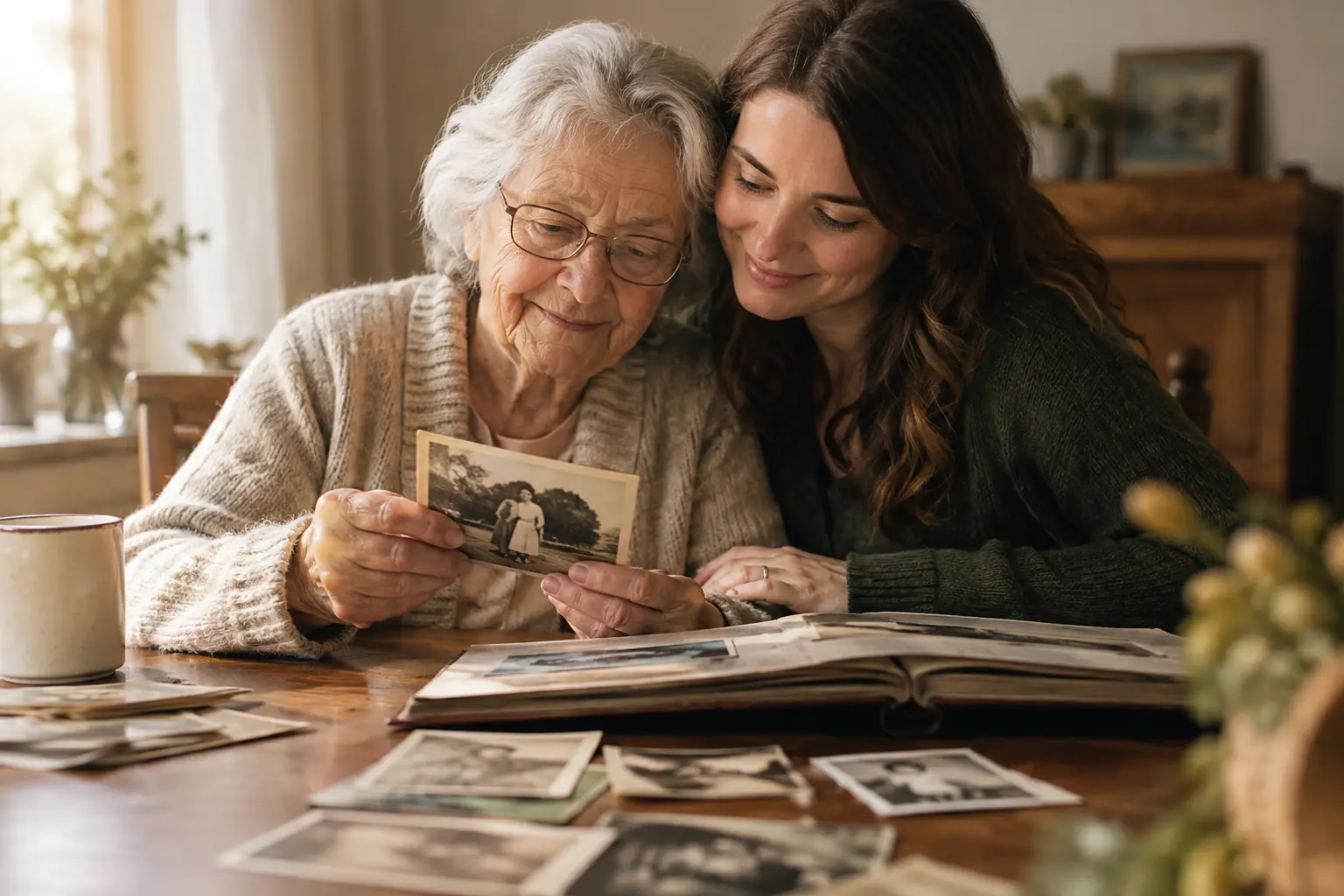
A life history recorder review is rarely just about microphones, storage limits, or an app’s features. For most families, it begins with a more tender question: if we could keep one more conversation, one familiar laugh, or one piece of advice in their own voice, would we?
A good life history recording service helps make that possible without turning a meaningful family moment into a complicated project. The right choice depends on who is being recorded, how your family plans to participate, and whether you want a private archive, a memorial experience, or both.
What a Life History Recorder Should Preserve
Photos show a face. Written memories can preserve facts. But a voice carries something neither can fully hold: cadence, humor, regional expressions, a pause before an emotional answer, and the particular way someone says a grandchild’s name.
That is why audio should be central to any life history recorder worth considering. A service that treats voice as an afterthought may still create a useful archive, but it can miss the most immediate feeling of presence. Years from now, family members may not only want to know what their loved one believed or accomplished. They may want to hear them tell the story.
The strongest options also give recordings context. A collection of unlabeled audio files can become difficult to revisit, especially as years pass and more relatives contribute. Look for a way to organize stories by themes such as childhood, family traditions, military service, work, faith, lessons learned, favorite memories, and messages for future generations.
Life History Recorder Review: The Features That Matter
The term life history recorder can describe many things, from a basic recording device to an interview app or a full memorial platform. The best fit is not necessarily the product with the longest feature list. It is the one your loved one can comfortably use and your family will be able to return to.
Easy recording is not a small detail
If a parent or grandparent is not comfortable with technology, the recording process must feel simple. Browser-based recording can be helpful for someone sitting at a computer, while phone-based recording may be more natural for a family member capturing a conversation at the kitchen table or during a hospital visit.
Consider whether recordings can be made in short sessions. A life story does not need to be recorded all at once. In fact, shorter conversations are often better. They leave room for rest, reflection, and follow-up questions that arise after a first memory has been shared.
Audio quality matters, but ease matters more. A perfectly engineered recorder that feels intimidating may capture nothing at all. A clear, accessible tool used consistently will usually create the more meaningful collection.
Guided questions can make the difference
Many families delay recording a loved one’s history because they do not know where to begin. Asking, “Tell me your life story,” can feel overwhelming. Better prompts invite one memory at a time.
Questions such as “What did your home smell like when you were young?” or “Who taught you your most important lesson?” often open a door that broad questions leave closed. Good life history services provide prompts, but they should not make the conversation feel scripted. The goal is to help a person remember, not to conduct an interrogation.
It also helps to choose a platform that leaves room for unscripted messages. A grandmother may want to tell the story of meeting her spouse. A father may want to record a birthday message for a child who is still young. Those recordings may become the ones a family treasures most.
Family collaboration should feel respectful
A life history belongs to more than one person, yet the person sharing it should retain dignity and agency. When relatives live in different states, collaboration tools can allow siblings, cousins, and grandchildren to contribute questions, recordings, photos, or written reflections without requiring everyone to be in the same room.
Still, collaboration needs boundaries. Before inviting a larger circle, decide who can upload material, who can edit descriptions, and which stories are intended to remain private. Families may have different comfort levels around health details, difficult relationships, or sensitive chapters of a life. The right system makes sharing possible without assuming every memory should be public.
Long-term access deserves careful scrutiny
This is where many life history recorder reviews become too technical or too vague. Families do need to ask practical questions: Is there a subscription? What happens if payments stop? Can the recordings be downloaded or shared? Who controls access after the original organizer dies?
A one-time pricing model can bring reassurance to families who do not want a loved one’s recordings tied to recurring bills. But price alone is not a guarantee of long-term care. Look for clear language about ownership, access, account stewardship, and how the company approaches preservation over time.
Avoid choosing solely on the promise of unlimited storage or a low introductory price. A legacy archive is not a disposable app. It should be built around the expectation that children, grandchildren, and future relatives may want to listen decades from now.
From Family Archive to Living Memorial
Some families want to preserve stories while a loved one is still living. Others are creating a memorial after a death. The two purposes overlap, but they call for different features.
For a living legacy project, the priority may be gentle prompts, easy recording, and time to add stories gradually. For a memorial, the priority may shift toward a well-organized page where visitors can hear selected recordings alongside memories and photographs.
A QR-linked memorial page can extend remembrance beyond an obituary or headstone inscription. When placed on an engraved plaque for a grave, urn, garden, or columbarium niche, it can offer a visitor a direct way to hear the person behind the dates. That experience should be approached with care. Not every recording needs to be shared publicly, and the recordings selected should feel true to the person being remembered.
VoiceForEternity is designed around this idea: preserving voices, stories, and personal messages in a family-organized memorial experience, with permanent QR-linked pages and physical plaque options. For families seeking both an archive and a place of remembrance, that combination can be more meaningful than storing audio files in a folder no one knows exists.
How to Judge Whether It Is Right for Your Family
Before choosing a recorder or platform, picture the first recording session. Who will be present? Will your loved one prefer to speak into a phone, answer questions with a trusted relative, or leave messages privately at their own pace? The best product is the one that lowers the emotional and technical barriers to beginning.
Then picture the moment ten years from now. A grandchild scans a plaque, opens a memorial page, or searches for a recording of a family recipe. Can they find it? Can they understand what they are hearing? Does the experience feel personal rather than procedural?
It is also wise to start before a crisis. Families often assume there will be more time, then find themselves trying to reconstruct a life from scattered photos and memories after it is too late to ask. Beginning early does not have to feel somber. It can be a birthday gift, an anniversary project, or a few relaxed conversations over several weekends.
A Better First Recording Than a Perfect Plan
Do not wait until you have every question prepared or every family member available. Start with one small invitation: tell me about the place where you felt happiest as a child. Ask what they want future generations to understand. Let silence happen. Let the conversation wander.
The value of a life history recorder is not measured by how many hours you capture. It is measured by whether the people who matter most can return to a voice and feel, even briefly, that someone they love is near.