A Shared Memorial Contributions Example for Families
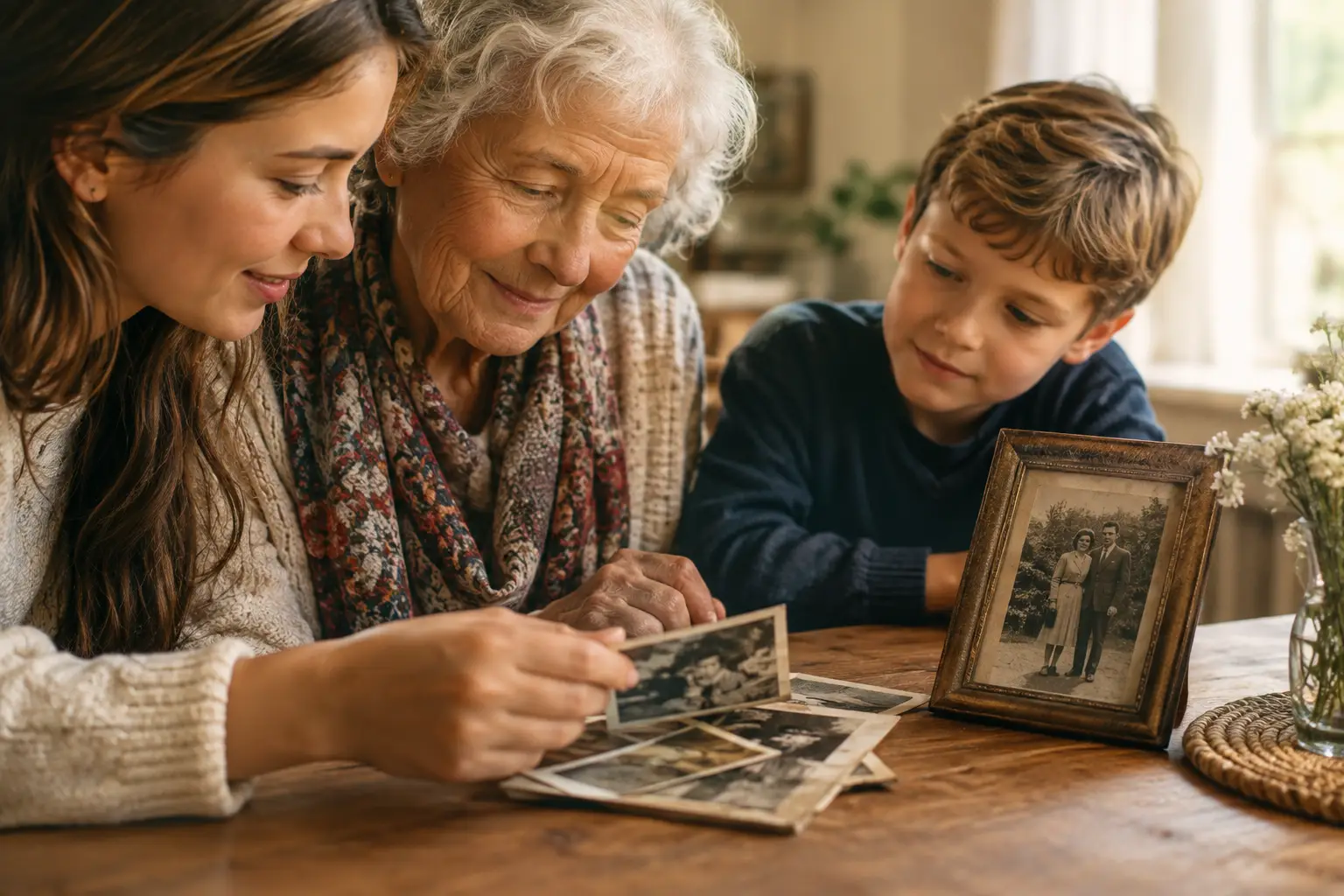
When someone dies, people often ask the same sincere question: What can I do? A thoughtful shared memorial contributions example gives family and friends a clear answer. It turns a well-meant desire to help into a collective act of remembrance, whether that means contributing to funeral expenses, a charitable gift, a memorial bench, or a lasting place where their stories and voice can be preserved.
The goal is not to put a price on grief. It is to make room for people who loved the same person to participate in a way that feels voluntary, clear, and meaningful. The right wording protects everyone from uncertainty while keeping the focus where it belongs: on the life being honored.
What Shared Memorial Contributions Can Mean
Shared memorial contributions are pooled gifts from relatives, friends, coworkers, neighbors, or community members toward one identified purpose. Sometimes the purpose is immediate, such as helping with burial costs or a reception. Other times, it is a lasting tribute: a scholarship, a garden stone, a donation to a cause the person loved, or a digital memorial where future generations can hear family stories.
It helps to name the purpose before asking anyone to contribute. A request that simply says donations are welcome can leave people wondering how funds will be used, who is managing them, and whether there is a preferred amount. Clear details are not cold or overly formal. They are a kindness at a time when many people want to help but do not know the best way.
There is also no single right use for a shared gift. A close-knit family may prefer to pool funds for a permanent memorial. A workplace may choose a charitable donation. If practical costs are the greatest need, it is honest to say so. What matters is that the request reflects the person's life and the family's circumstances.
A Shared Memorial Contributions Example to Adapt
The following message works well in an obituary notice, memorial invitation, family email, or private group message. Adjust the details to fit the level of privacy your family needs.
In loving memory of [Name], our family is creating a lasting tribute that reflects the warmth, stories, and relationships that shaped their life. For those who have asked how they can help, we welcome voluntary contributions toward [specific purpose, such as a memorial plaque and family legacy page]. Gifts of any amount are deeply appreciated but never expected. Contributions may be sent to [name or method], and any remaining funds will be used for [clearly stated related purpose]. Thank you for remembering [Name] with us.
This example works because it answers the quiet questions people often have. It identifies the tribute, makes participation optional, names the person receiving funds, and explains what will happen if the amount collected exceeds the cost. It also avoids language that can unintentionally feel demanding, such as requesting that everyone give or suggesting a minimum amount.
If the contribution is for a charity, say so directly. For example:
In place of flowers, the family welcomes voluntary memorial gifts to [organization or cause], in honor of [Name]'s lifelong care for [animals, veterans, children, the arts, or another meaningful cause].
If it is for family expenses, a shorter and more practical version may be best:
Friends who have asked to support the family may make a voluntary contribution toward funeral and memorial expenses. Your care, presence, and kind messages mean more than we can say.
Choose a Purpose People Can Understand
The most successful requests are specific without becoming overly detailed. People do not need a full accounting of every cost, but they should understand what their gift is helping create or relieve.
For a permanent remembrance, consider whether the contribution will support a physical marker, an engraved plaque, a memorial gathering, or a legacy archive. A memorial that preserves recordings can be especially moving because it holds more than dates and names. It can hold familiar laughter, a favorite story, a message for grandchildren, or the voice of a person who was central to the family.
A QR-linked memorial page through VoiceForEternity can give a shared tribute a personal center. Family members can contribute recordings and memories from different places, then visitors can access those memories from a plaque placed at a gravesite, urn, garden, or columbarium niche. For some families, that is a more fitting use of shared gifts than another item that may eventually be stored away.
Still, permanence is not always the priority. If a family is facing unexpected expenses, meeting the immediate need may be the most loving choice. It depends on what would bring the most relief and what best honors the person who died.
Make the Invitation Gentle and Transparent
A memorial contribution request should never make a grieving family feel like they must explain every decision. Yet a few practical details can prevent confusion later. Name one trusted contact who can answer questions, state a contribution deadline if there is one, and explain how contributors will receive updates.
Keep records, even for an informal collection. A simple list of names, amounts, and contact information makes it easier to send thanks and to answer questions honestly. If several people are organizing the effort, decide in advance who will approve spending and who will communicate with the group.
Be thoughtful about payment methods, too. Some people are comfortable using a digital payment service, while others would rather mail a check or bring cash to a service. Offering two options can make participation easier, but too many options can create confusion. Choose what the organizer can manage securely.
Tax language deserves care. Do not imply that a gift is tax-deductible unless it is being made directly to a qualified charitable organization that can provide appropriate documentation. A contribution to a family-managed memorial fund is usually a personal gift, even when it is given with generous intentions.
Include Those Who Cannot Give Financially
Money is only one way to contribute to a memorial. Some loved ones may be unable to give, while others may prefer a more personal offering. Make it clear that stories, photographs, readings, flowers, help with food, or simply attending the service are valued forms of support.
You might add one sentence to your request: Those who would rather share a memory, photo, or recorded message are warmly invited to do so. This small invitation can shift the tone from fundraising to remembrance. It also opens the door to contributions that may become priceless over time.
For a voice-centered memorial, consider asking relatives a few simple questions: What did they always say? What story do you want their grandchildren to know? When did their voice make you feel safe, understood, or loved? These answers often become the details a family cherishes most.
Thank People Without Making Grief a Project
A prompt thank-you is gracious, but it does not have to be elaborate. During the first days after a loss, a brief message from a family member is enough. Later, once the tribute is complete, an update can show people what their care helped make possible.
For example, you might write: Our family is grateful for every gift, message, and memory shared in honor of [Name]. Your generosity helped create a tribute we can return to and share with the generations who come after us.
A shared memorial contribution is not only about collecting funds. At its best, it gives people a way to stand beside a grieving family and say, with action as well as words, this life mattered. The most meaningful tribute is often the one that keeps that connection present, tender, and within reach.