Memorial Plaques That Keep a Life Close
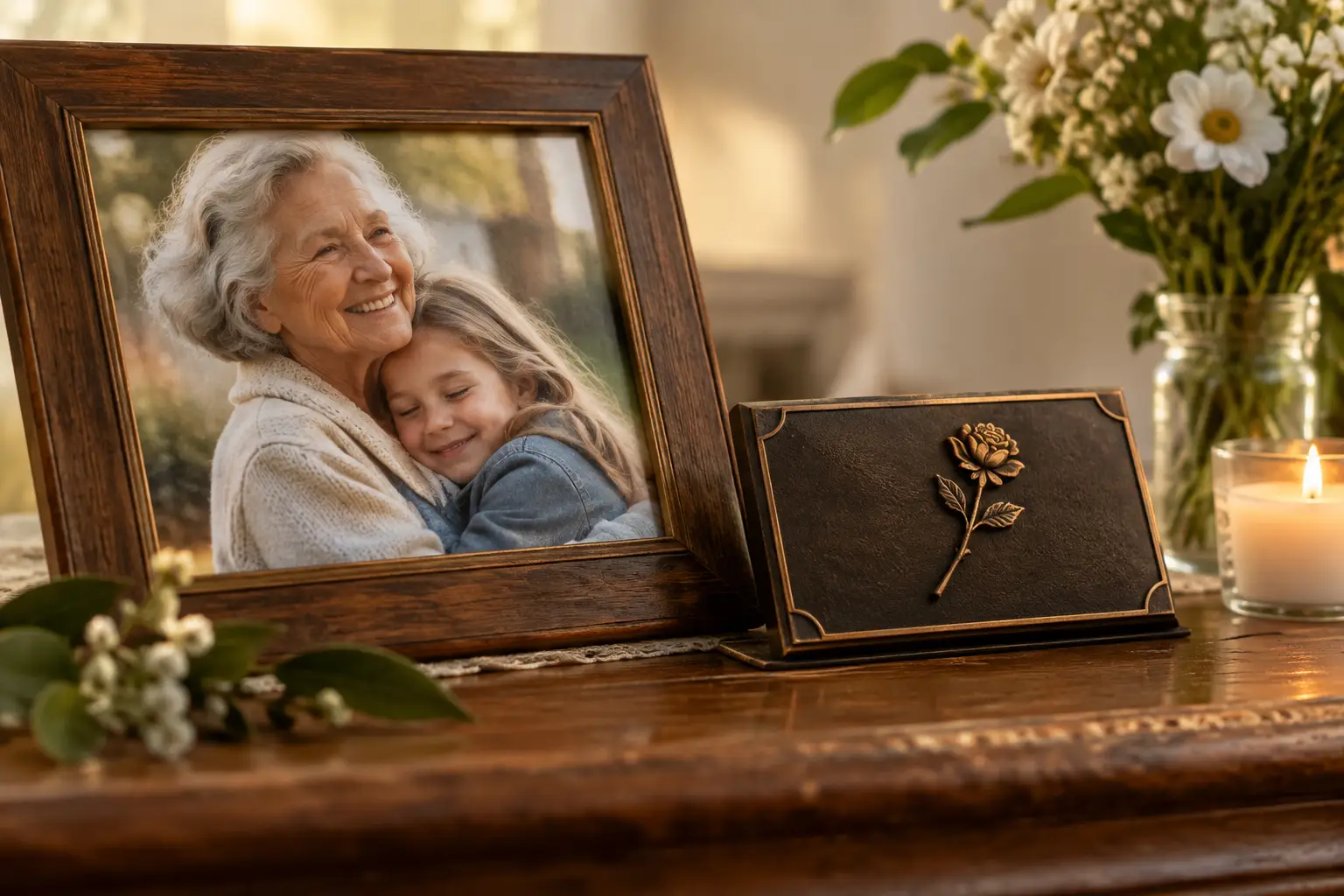
A memorial plaque is often one of the last decisions a family makes after a loss. It may be small, carefully engraved, and placed in a quiet place, yet it carries an enormous responsibility: to represent someone who cannot be reduced to a name and two dates.
For generations, memorial plaques have given families a physical place to return to. They identify a resting place, honor a life, and offer a simple, visible expression of love. Today, they can also do something more personal. With a QR-linked memorial, a plaque can become a doorway to the person behind the inscription - their voice, stories, photographs, messages, and the details that made them unmistakably themselves.
What memorial plaques are meant to hold
A plaque may be installed on a headstone, placed at a gravesite, attached to an urn, set in a garden, or fitted within a columbarium niche. Its practical purpose matters. Visitors need to be able to identify a loved one’s resting place, and cemetery or memorial garden rules may determine the permitted material, dimensions, mounting method, and wording.
But the emotional purpose is more lasting. A plaque says, in a tangible way, this person was here. They mattered. They are still loved.
That is why the best inscription is rarely the most elaborate one. A full name, birth and death dates, and a short phrase may be enough. The words can reflect a role they cherished - beloved mother, devoted husband, loyal friend - or a quality that people recognized immediately, such as generous, steady, joyful, or deeply loved.
A family does not need to tell every part of a life in a few engraved lines. In fact, trying to do so can make the decision feel impossible. The plaque can provide the anchor. The fuller story can live somewhere it can be heard, revisited, and shared.
Choosing a memorial plaque with care
The right plaque depends partly on where it will live. A bronze plaque may be chosen for its traditional appearance and durability. Granite and stone can feel timeless, especially when they coordinate with an existing monument. Stainless steel and other weather-resistant materials may suit contemporary spaces or particular mounting needs.
Before finalizing a design, ask the cemetery, funeral home, columbarium, or property manager about their requirements. Some locations have strict rules about size, finish, colors, attachment, and whether QR codes are allowed. A beautiful plaque is only useful if it can be installed where the family intends it to be.
The inscription deserves the same attention. Read it aloud before approving it. Check every name, date, punctuation mark, and relationship title with more than one family member if possible. During grief, even simple details can be difficult to track. Taking an extra day to review the proof can prevent a permanent error.
It also helps to think about who will read the plaque years from now. A spouse may understand an inside reference immediately, while a grandchild born later may not. There is room for both intimacy and clarity. A familiar phrase can sit beside the basic facts that preserve a person’s place in the family story.
When a short inscription is enough
Some lives are best honored with restraint. A name, dates, and “Forever in our hearts” can feel exactly right, particularly when the family wants a calm, traditional marker. There is no requirement to make a memorial elaborate in order for it to be meaningful.
The trade-off is that physical space is limited. A plaque cannot easily hold the sound of a laugh, the story of a first job, a favorite blessing at family dinners, or a message someone recorded for their children. Those are often the memories people ache to preserve after the service has passed.
When a QR code adds something meaningful
A QR code can connect the physical memorial to a private digital memorial page. A visitor scans it with a phone and can access the memories a family has chosen to share. Rather than replacing the plaque, this adds a living layer to it.
For many families, the most moving part is hearing a loved one speak. A familiar voice can bring back a sense of presence that text alone cannot. It may be a short greeting, a favorite story, words of encouragement, or an answer to a question a grandchild may someday ask.
VoiceForEternity was created around this idea: Their Voice, Forever. Families can record and organize audio memories, invite relatives to contribute, and pair those memories with an engraved QR-linked plaque. The result is still dignified at the gravesite or memorial garden, while offering a deeper experience to anyone who wishes to listen.
A plaque can honor both the past and the future
Memorial decisions are usually made for the people grieving now. That is natural. Yet they also shape what future family members will know.
A child may grow up visiting a grandparent’s grave with only a few stories passed down at holidays. A digital memorial connected to the plaque can help that child hear the grandparent’s actual voice, see their expression in photos, and understand the values they held close. For relatives who live far away, it offers a way to visit and remember even when travel is not possible.
This is especially valuable when family stories are scattered. One sibling remembers childhood vacations. Another has old voicemail recordings. A cousin holds photographs and knows the story behind them. A shared memorial space gives those pieces a home before they disappear into old phones, boxes, and private accounts.
There is a balance to consider. Not every memory needs to be public, and not every family wants a broad audience for personal recordings. Choose a service and sharing settings that let your family decide what is visible and who can contribute. A memorial should feel safe, not exposed.
How to begin when emotions are high
You do not need to have a polished life story ready before creating a memorial. Begin with what is available. A single recording can matter deeply. So can a favorite photograph, a handwritten note, or a short memory from a sibling.
If you are preserving memories before a loss, simple questions often bring out the richest answers. Ask about a childhood home, a first friendship, a lesson they learned from a parent, a moment they felt proud, or what they hope younger generations will remember. Let pauses happen. The goal is not an interview. It is time together.
After a loss, ask family members to contribute one specific memory rather than requesting a complete tribute. Someone may be able to describe a beloved recipe, a recurring joke, a song played on road trips, or the exact way your loved one said goodnight. These details are the texture of a person’s life.
When it is time to select the plaque, choose wording that feels true without carrying the pressure of saying everything. The QR-linked page can hold the longer story. The engraved marker can simply invite people to come closer.
A lasting place for a voice
The most meaningful memorials do not ask a family to move on from love. They give love somewhere to go.
A plaque in a garden, on a headstone, or beside an urn creates a place to pause. A voice recording and family story give that pause depth. Together, they can help a visitor remember not only that someone lived, but how they spoke, what they treasured, and the love they left behind.
When you are ready, begin with one memory worth keeping. It may become the gift a future generation returns to when they want to feel close.