Memorial Plaque Placement Guide for Lasting Tribute
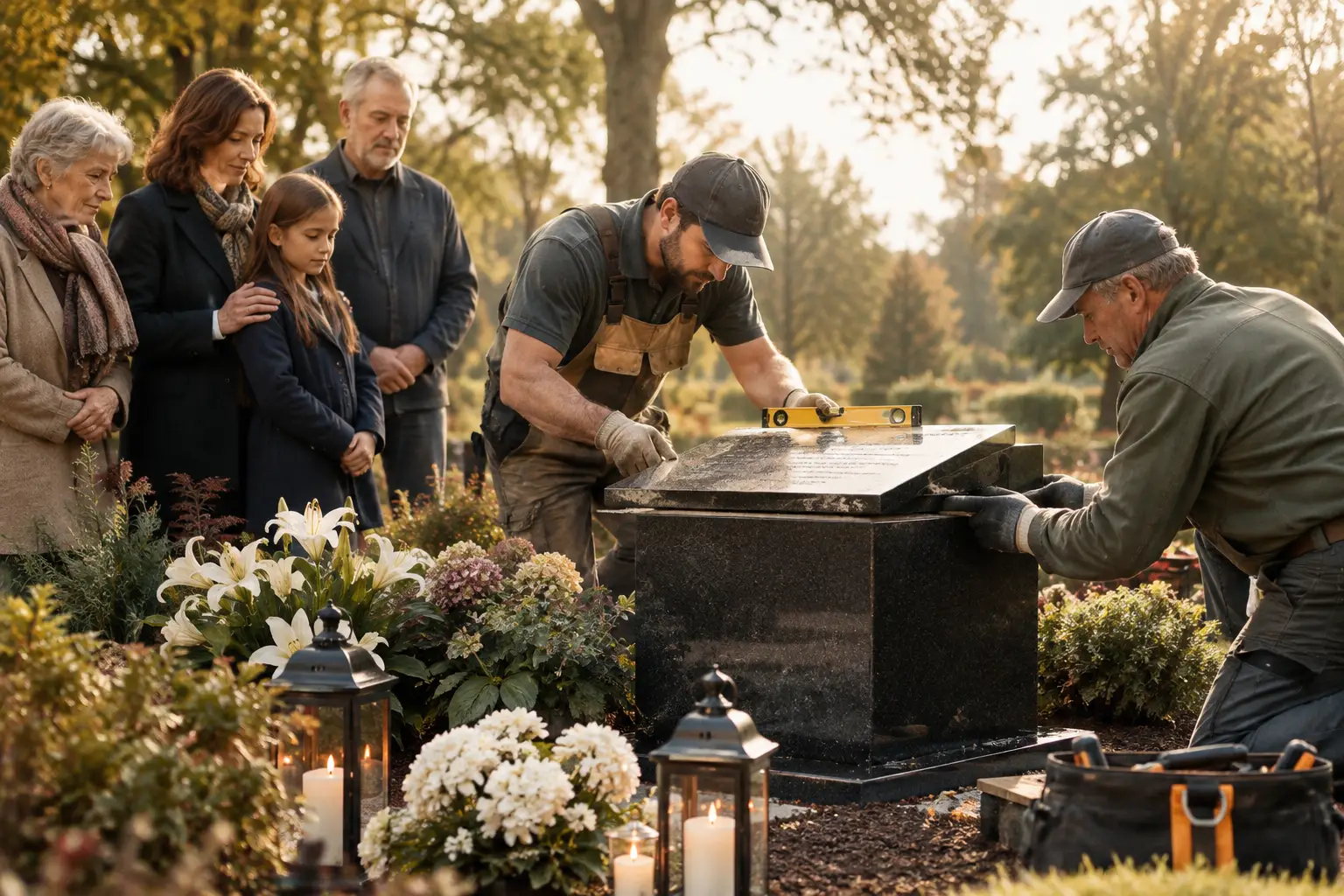
A memorial plaque does more than identify a place. It gives family and friends a point of return: somewhere to pause, speak a name, leave flowers, or remember a familiar laugh. This memorial plaque placement guide can help you choose a location that feels fitting, follows the rules of the space, and protects the tribute for years to come.
Placement is both practical and personal. A plaque should be easy to find, securely installed, and designed to weather its environment. Just as importantly, it should feel true to the person being remembered and to the way your family wants to keep their story close.
Begin with permission and cemetery rules
Before choosing a plaque size, material, or exact location, confirm what is permitted. Cemeteries, columbaria, memorial gardens, churches, veterans' cemeteries, and private properties may all have different requirements. Some specify plaque dimensions, metal types, mounting methods, finishes, and wording. Others only allow markers installed by approved vendors or cemetery staff.
If the plaque will be attached to a headstone, niche, bench, mausoleum wall, or other existing structure, ask whether drilling or adhesive mounting is allowed. A well-intentioned installation can create problems if it affects a stone's integrity or conflicts with the property's maintenance standards.
It is helpful to ask a few clear questions before ordering: Is a plaque allowed in this location? What dimensions and materials are accepted? Who is responsible for installation? Are QR codes or digital memorial elements permitted? Getting these answers early protects your time and helps prevent a difficult decision from becoming a costly correction.
Memorial plaque placement guide: choose the right setting
The right location depends on the memorial's purpose. Some families want a permanent physical marker at a gravesite. Others want a quiet reminder at home, a meaningful point in a garden, or a way to connect an urn or columbarium niche with a loved one's voice and stories.
On a headstone or grave marker
A plaque on a headstone is usually placed where it can be read easily without competing with the primary inscription. For an added bronze or stainless-steel plaque, a lower section of the monument or a clearly open side panel often works best. Avoid placing it over engraved names, dates, religious symbols, or existing artwork.
Think about how visitors approach the grave. A plaque should face the natural walking path whenever possible. If it includes a QR code that leads to recorded memories, position it at a comfortable scanning height and avoid shaded recesses, highly textured stone, or areas likely to collect dirt and water.
The trade-off is visibility versus preservation. A highly exposed plaque may be easy to see, but it will also receive more sun, rain, lawn equipment spray, and seasonal debris. Cemetery staff can advise on the most durable placement for that specific site.
Near an urn or columbarium niche
For cremation memorials, space is often limited. A plaque may be placed on an urn display, memorial shelf, niche door, or nearby designated wall, depending on the facility's policies. Keep the scale proportionate. A large plaque can overwhelm a small urn, while a plaque that is too small may be difficult for family members to read or scan.
For a home urn, choose a stable surface away from direct heat, humidity, and frequent handling. A nearby framed plaque or a small mounted piece on a memorial shelf may offer more protection than attaching a plaque directly to a delicate urn.
In a garden or private outdoor space
A garden plaque can create a living place of remembrance. Families often choose a favorite tree, a flowering border, a bench, a stone pathway, or a quiet corner where a loved one enjoyed sitting. The setting can be deeply personal, especially when the memorial is part of everyday family life.
Avoid low spots where water pools, places close to sprinklers, and areas that will be disturbed by mowing, pruning, or future landscaping. If the plaque is installed on a stone, choose a solid and level surface. If it is mounted on a stake, set it deeply enough to withstand wind, soil movement, and curious pets or children.
Sunlight deserves special attention when a plaque includes a QR code. A code should have enough contrast to scan reliably, but intense glare can make phone scanning frustrating. Test the location at different times of day before final installation if possible.
Inside the home
Indoor plaques offer privacy and control. They can be placed beside photographs, on a memory table, near a favorite chair, or as part of a family archive. This is often a meaningful choice when a person is remembered through a collection of letters, recipes, recordings, and keepsakes rather than a single public marker.
An indoor setting is also ideal for a QR-linked memorial page containing audio messages and family stories. Visitors can listen together in a calm, familiar space. Still, choose a location that is visible enough to invite use, not tucked away so completely that the memorial becomes forgotten.
Make the plaque readable and reachable
The most beautiful plaque cannot do its work if people cannot read it. Consider viewing distance, lighting, and the needs of older visitors or anyone using a wheelchair. In most settings, the text should be placed at a natural height and oriented toward the path or seating area from which people will approach.
Keep wording focused. A name, dates, and a short phrase can carry great weight. If you are adding a QR code, make sure there is sufficient clear space around it and that it is engraved or printed at a size that phones can recognize. A code placed too close to decorative borders, highly reflective surfaces, or tiny text may be harder to scan.
Before installation, test a full-size proof. Read it from a few steps away. Scan the code with more than one phone. Ask someone who was not involved in the design whether they can immediately understand where to look and what to do. These small checks create a more welcoming experience for every future visitor.
Match the material to the environment
Material should be selected for where the plaque will live, not only for its appearance. Bronze has a traditional presence and develops a natural patina outdoors. Stainless steel can offer a clean, contemporary look and strong resistance to corrosion. Engraved stone can feel beautifully integrated with a garden or monument but may require careful selection and installation to avoid cracking.
Adhesives, screws, and mounting hardware matter as much as the plaque itself. Outdoor mounting should use materials suited to moisture and temperature changes. A professional installer is often worthwhile for headstones, masonry walls, and cemetery monuments, where a damaged surface may be difficult or impossible to repair.
If your memorial includes digital access, choose an engraving method designed for long-term legibility. The purpose is not simply to add technology. It is to make a loved one's stories, messages, and voice available when someone needs to hear them.
Give the memorial a simple care plan
A plaque is a lasting object, but it still benefits from gentle attention. Check it periodically for loose edges, debris, staining, or obscured text. Use cleaning methods recommended for the specific material and avoid harsh chemicals or abrasive tools, particularly on bronze, stone, and QR code surfaces.
For a QR-linked plaque, scan it during family visits or at least once or twice a year. This small ritual confirms that the page remains easy to access and can become a meaningful moment of remembrance itself. With services such as VoiceForEternity, that scan can lead beyond a name and date to recorded stories, familiar phrases, and the voice your family never wants to lose.
Let placement serve the memory
There is no single correct place for a memorial plaque. A cemetery marker may offer public permanence, while a garden stone may hold the intimacy of a daily visit. A plaque beside an urn may keep a loved one close at home. What matters is that the location is permitted, secure, accessible, and chosen with care.
Choose the place where people will feel invited to remember. A thoughtfully placed plaque can become more than a marker. It can be an open door to a life, a voice, and a connection that continues across generations.