When Should Legacy Stories Start? Start Earlier
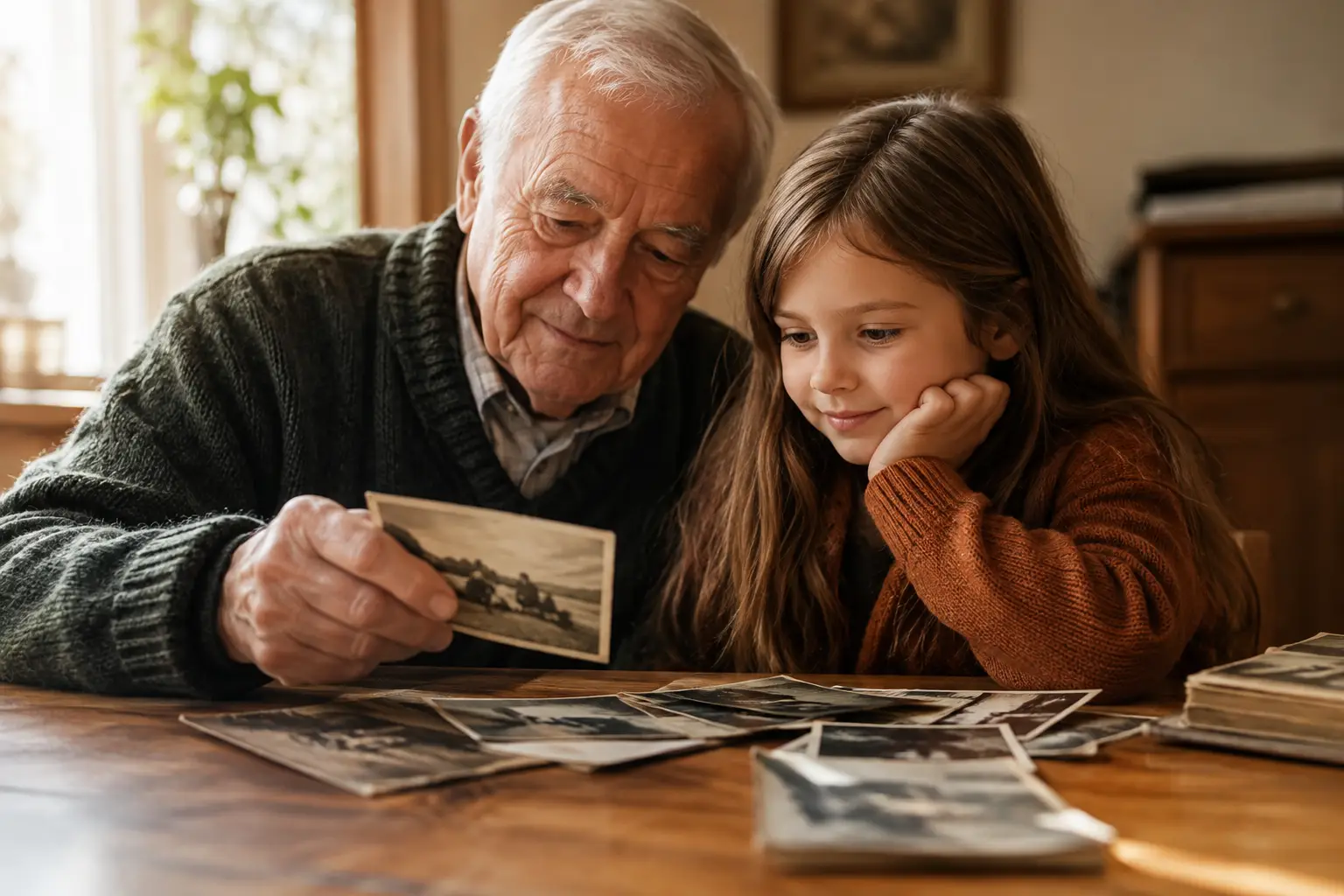
A voicemail saved for years can become priceless in a single afternoon. So can the familiar way a grandfather tells a joke, a mother’s advice about raising children, or a spouse’s account of how the two of you first met. When should legacy stories start? Usually, earlier than families expect - and much earlier than a crisis demands.
Legacy storytelling is not only an end-of-life task. It is a way of recognizing that ordinary conversations hold parts of a person that photographs and documents cannot fully carry: their humor, cadence, values, opinions, and the small details that make a life feel close. Beginning now gives everyone room to speak without pressure and to listen with care.
Why legacy stories should begin before there is urgency
Many families wait because starting the conversation feels heavy. They may worry that asking about life stories will sound like preparation for loss. Others assume there will be more time, or that their loved one will naturally share what matters when the moment is right.
But urgency changes the experience. Illness, cognitive decline, a move into care, or sudden grief can leave families trying to gather memories while emotions are already raw. Even when a loved one is able to participate, they may be tired, overwhelmed, or focused on immediate decisions rather than stories from sixty years ago.
Starting earlier makes legacy preservation feel less like a farewell and more like what it can be: a meaningful family conversation. It allows stories to unfold across weeks or months. One memory can lead naturally to another. A relative can correct a date, add a detail, or remember a different version of the same event. There is space for laughter, pauses, and the question that comes to mind the next day.
Most of all, beginning early preserves a person’s voice while it is familiar and strong. The words matter. The voice saying them matters, too.
The best time depends on the person and the moment
There is no age at which someone suddenly becomes ready to preserve a legacy. A person in their seventies may be eager to record family history, while someone in their nineties may prefer a short conversation at a time. A younger parent may want to leave birthday messages for children. A military family may want to preserve stories before a deployment. A couple celebrating an anniversary may decide to record how their life together began.
The best time is often when there is a natural opening: a birthday, retirement, reunion, anniversary, holiday visit, new baby, family move, or a quiet Sunday afternoon. These occasions already invite reflection. They make it easier to say, “I would love to hear that story in your own words,” rather than making the conversation feel formal or final.
If a loved one is facing a serious diagnosis, it is still not too late. The goal does not need to be a complete autobiography. A few recorded memories, personal messages, favorite sayings, or reflections on family can become an extraordinary gift. Keep expectations gentle. A five-minute recording can hold more comfort than pages of carefully written text.
Do not wait for the perfect interview
Families sometimes postpone recording because they want the right equipment, a complete list of questions, or every relative present. Those things can help, but they are not requirements. Waiting for perfect conditions is one of the easiest ways to let precious moments pass.
Start with one question and one recording. Ask what their childhood home smelled like. Ask about their first job, their favorite family tradition, or what they hope younger generations understand. If the conversation wanders, let it. The unexpected details are often the ones people treasure most.
How to make the first conversation feel natural
The easiest legacy conversations do not feel like interviews. Sit somewhere comfortable. Choose a time when your loved one is rested. Put away distractions, and make it clear there are no wrong answers.
A warm introduction can lower the stakes: “I want our family to be able to hear these stories someday. Would you tell me about...” This frames recording as an act of appreciation, not an evaluation of a life.
Begin with subjects that invite ease. Childhood memories, favorite foods, first cars, school friends, music, holidays, pets, and family traditions often bring people into the conversation naturally. From there, you can move toward deeper questions about lessons learned, proud moments, challenges overcome, faith, love, or hopes for the future.
Pay attention to energy. Some people enjoy talking for an hour; others will share more when conversations are shorter and repeated over time. If emotion arises, do not rush to fill the silence. A pause can be part of the story. You are not trying to collect perfect answers. You are making room for a person to be heard.
What to preserve beyond the family history
A legacy is more than a timeline of births, schools, jobs, and milestones. Those facts are valuable, but they do not always reveal how someone sounded when they were delighted, thoughtful, teasing, or deeply sincere.
Consider recording personal messages alongside stories. A grandmother might offer advice to future grandchildren. A father might explain why he chose a particular career. A beloved aunt may want to describe the recipe everyone asks her to bring. Someone who is not comfortable discussing their entire life may be very willing to share a message of encouragement, a prayer, a poem, or a favorite saying.
There is also value in preserving the everyday. Ask about the morning routine they have kept for decades, the song they always sing in the car, or the object in their home they would never part with. These details may seem small now. Later, they are often the details that make people smile and say, “That was exactly them.”
Include the whole family without losing the moment
Legacy preservation can bring relatives together, especially when families live far apart. One person may record conversations, another may gather photographs or names, and others may contribute questions they wish they had asked. Shared participation can ease the burden from the family member who has become the default keeper of everyone’s memories.
Still, a large group is not always best for the first recording. Some loved ones speak more freely one-on-one. Others may become quiet when they feel they are performing for a room. Begin in the setting that helps them feel most themselves, then invite others to contribute later.
It also helps to remember that families may hold different versions of the same story. That is not a problem to solve. A legacy can hold more than one perspective. Preserving those voices honors the complexity of a real family and gives future generations a fuller picture.
Give stories a lasting home
A recording kept on one phone or buried in a cloud folder can be difficult to find when it matters most. Legacy stories deserve to be organized, clearly identified, and available to the people meant to receive them. Names, dates, and a little context help future listeners understand who is speaking and why a memory matters.
For some families, a permanent memorial page and QR-linked plaque offer a meaningful way to connect a physical place of remembrance with a living voice. VoiceForEternity helps families preserve recordings, stories, and messages in a format loved ones can return to from wherever they are. The technology matters because it makes access simple, but the heart of it is deeply human: hearing someone again.
Choose a preservation method that feels secure and understandable to your family. Ask who will be able to access it, how it will be shared, and whether it is designed to remain available over time. Permanence is not simply a technical feature. It is part of the promise you are making to the people who will listen years from now.
Start with the next small invitation
You do not have to complete a life story in one sitting. You only have to begin. Save one voice. Ask one question. Record one memory that would otherwise live only in the minds of those present.
The right time to start is while you can still hear the laugh after the answer, ask for the next chapter, and say, without any hurry, “Tell me more.”