A Guide to Permanent Memory Storage
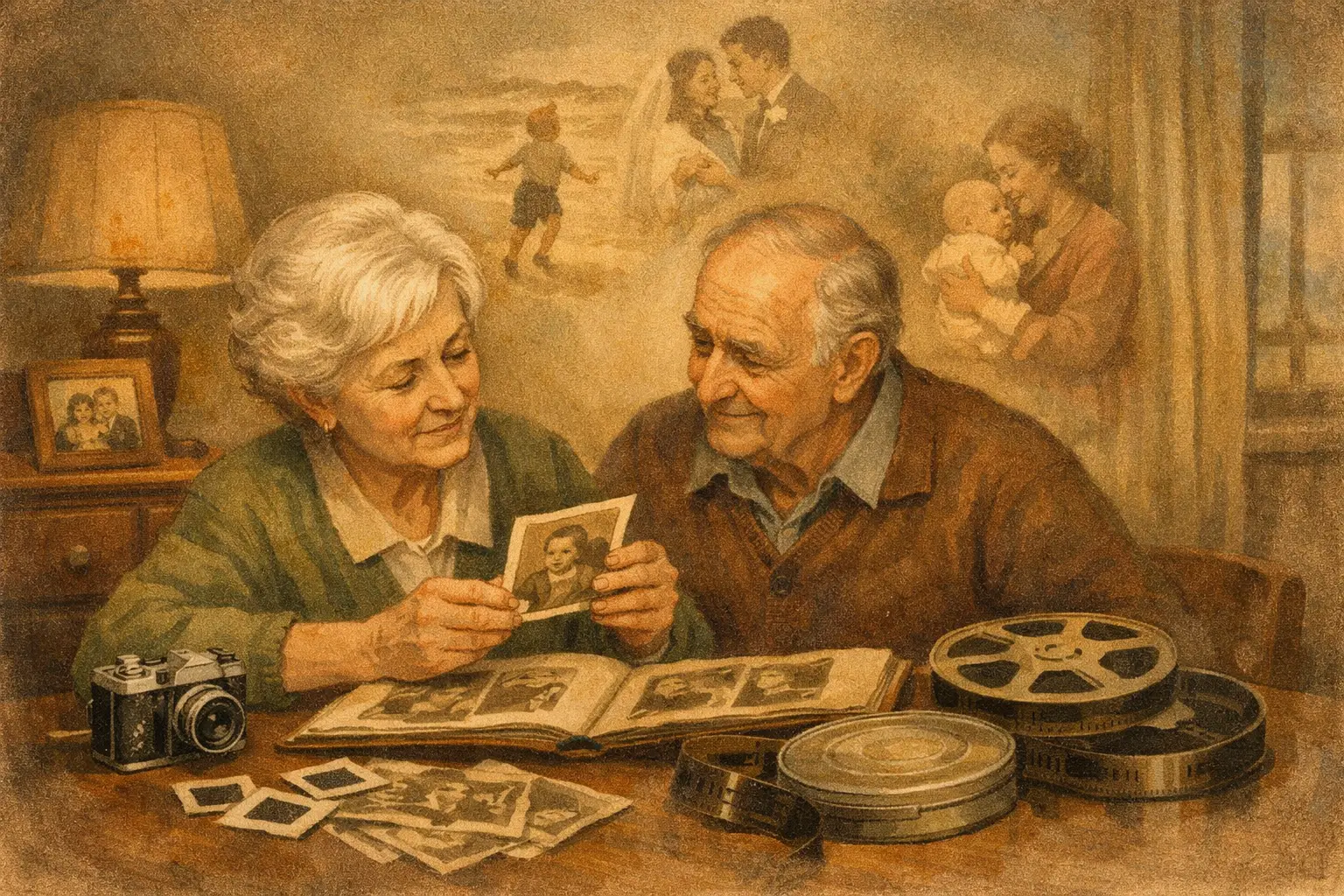
Some losses arrive all at once. Others begin with a small, unsettling thought: What will happen when I can no longer hear their voice?
That is where a guide to permanent memory storage becomes deeply personal. For many families, preserving memory is not really about files, folders, or technology. It is about holding on to the sound of a laugh, the way someone told a story, the message they would want their grandchildren to hear years from now. When memory matters at this level, temporary solutions are not enough.
What permanent memory storage really means
Permanent memory storage is often misunderstood as simply saving something online. But saving is not the same as preserving. A voice memo on a phone, a folder on a laptop, or a social media account can feel secure right up until a password is lost, a device breaks, or a platform changes its policies.
True permanence comes from planning. It means your memories are intentionally recorded, organized, and kept in a place where loved ones can still access them over time. It also means thinking beyond photos and text. For most families, the most irreplaceable part of a person is not just what they looked like. It is how they sounded, how they spoke your name, and how they told the stories only they could tell.
This is why voice deserves special attention. A written tribute can be beautiful, but hearing someone say, "I love you" in their own voice carries a completely different emotional weight. If your goal is lasting remembrance, audio should be part of the plan, not an afterthought.
Why families are looking for a guide to permanent memory storage now
Many people do not start this process because they are highly organized. They start because time suddenly feels fragile.
A parent receives a difficult diagnosis. A grandparent begins forgetting details they once told effortlessly. A family realizes they have hundreds of photos, but almost no recordings of the person behind them. These moments create urgency, and with urgency often comes overwhelm.
The challenge is not only emotional. It is practical. Families are often spread across different states. One person has old cassette tapes, another has voicemails, and someone else has a box of handwritten notes. Everyone wants to preserve what matters, but no one is quite sure where to begin or how to make it last.
That is why the best approach is simple, gentle, and structured. You do not need a perfect archive on day one. You need a way to capture what matters now and protect it in a format your family can return to later.
The best guide to permanent memory storage starts with the right memories
When people feel pressure to preserve a life, they often think they need to document everything. In reality, the most meaningful memorial collections are usually built from a few powerful categories.
Start with the voice itself. Record everyday speech, not just formal messages. Ask your loved one to tell a favorite family story, describe their childhood home, share how they met their spouse, or leave advice for children and grandchildren. Natural conversation often becomes the most treasured recording because it sounds like them.
Then preserve identity. Gather names, dates, relationships, traditions, recipes, sayings, military service, faith background, and the small details that make a person recognizable to future generations. Facts matter, but texture matters too. The phrase they always repeated at the dinner table may one day mean more than a long biography.
Finally, preserve connection. Invite multiple family members to contribute memories, photos, and messages. A lasting memorial is rarely strongest when built by one person alone. It becomes richer when siblings, spouses, grandchildren, and close friends each add their perspective.
What makes memory storage feel permanent
Permanence is partly technical, but it is also emotional. Families need to trust that what they preserve today will not quietly disappear later.
That trust usually depends on a few things. First, the memories should live in a dedicated system, not scattered across personal devices. Second, access should be simple enough that relatives can actually use it, especially during grief. Third, the material should be organized in a way that feels intentional rather than chaotic.
There is also an ownership question. Subscription-based tools can create anxiety because families may worry about what happens if payments stop or a company changes direction. A one-time model often feels more aligned with memorial preservation because it reflects the reason people are purchasing in the first place. They are not buying short-term storage. They are making a lasting act of remembrance.
Physical connection matters too. Digital memories are powerful, but when paired with something tangible, they become easier to revisit across generations. A memorial plaque connected to a preserved voice and story archive can turn a headstone, urn, garden marker, or niche into something far more personal than a name and date alone. It gives family and friends a way to return not just to the memory of a person, but to their presence.
How to build a memory archive without making it overwhelming
The biggest mistake families make is waiting for the perfect time. The second biggest is trying to complete everything in one sitting.
A better approach is to build in layers. Begin with one short recording session. Fifteen minutes can be enough to capture a meaningful story or a few personal messages. Once that first step is done, the process tends to feel less intimidating.
After that, organize what you have into simple sections. You might group recordings by life stage, family stories, advice, celebrations, or messages for the future. If photos are included, attach them to specific stories rather than uploading them as an unconnected album. Context is what turns saved media into remembered life.
If your loved one is uncomfortable being interviewed, avoid making it feel formal. Instead of asking, "Tell me your life story," ask, "What did your mother always say to you?" or "What do you remember about your wedding day?" Specific questions create easier, warmer answers.
This is also where guided tools help. Browser-based and phone-based recording options reduce friction, especially for older adults and busy family members. When people can contribute from wherever they are, more memories get captured before the moment passes.
Trade-offs to consider when choosing a permanent memory solution
Not every storage option serves the same purpose. A cloud drive may be fine for backup, but it usually does not create a meaningful family experience. Social platforms are easy to use, but they are built for engagement, not memorial permanence. Printed memorials offer dignity, but they cannot preserve the living sound of a person’s voice.
The best choice depends on what your family needs most. If your priority is pure file storage, a basic archive may be enough. If your priority is remembrance, accessibility, and emotional connection, you need something more thoughtful.
That often means choosing a solution that combines preservation with presentation. In other words, the memories should not only be safe. They should also be easy to hear, easy to share, and easy to revisit at important moments like anniversaries, birthdays, holidays, and visits to a grave site.
For many families, that balance is what makes a memorial feel alive rather than merely stored.
Preserving memory before loss and after loss
A guide to permanent memory storage should make room for both realities. Sometimes families begin while a loved one is still here, which allows for direct storytelling, personal messages, and intentional participation. This is often the richest path because the person can shape how they want to be remembered.
Other times, preservation begins after a loss. In that case, permanence comes from gathering what remains and protecting it well. Old voicemails, saved videos, handwritten cards, and shared stories from relatives can still become a deeply meaningful archive. It may look different, but it is no less valuable.
If you are still early enough to ask questions, start now. If you are not, begin with what you have. Families often underestimate how much can be recovered once they start looking with care.
VoiceForEternity reflects this shift in what families need from memorialization. People want more than a static tribute. They want a place where a life can still be heard, recognized, and shared with dignity.
What families remember years later
Years from now, most people will not be grateful that every file was named perfectly. They will be grateful they can still hear the birthday message, the familiar joke, the blessing before a holiday meal, or the story they thought they would never hear again.
That is the heart of permanent memory storage. It is not about keeping everything. It is about keeping what would break your heart to lose.
If you are wondering when to begin, the answer is usually sooner and smaller than you think. Record one story. Save one voice. Preserve one piece of the person you love while you still can.