Memorial Link Expiry and Your Family’s Memories
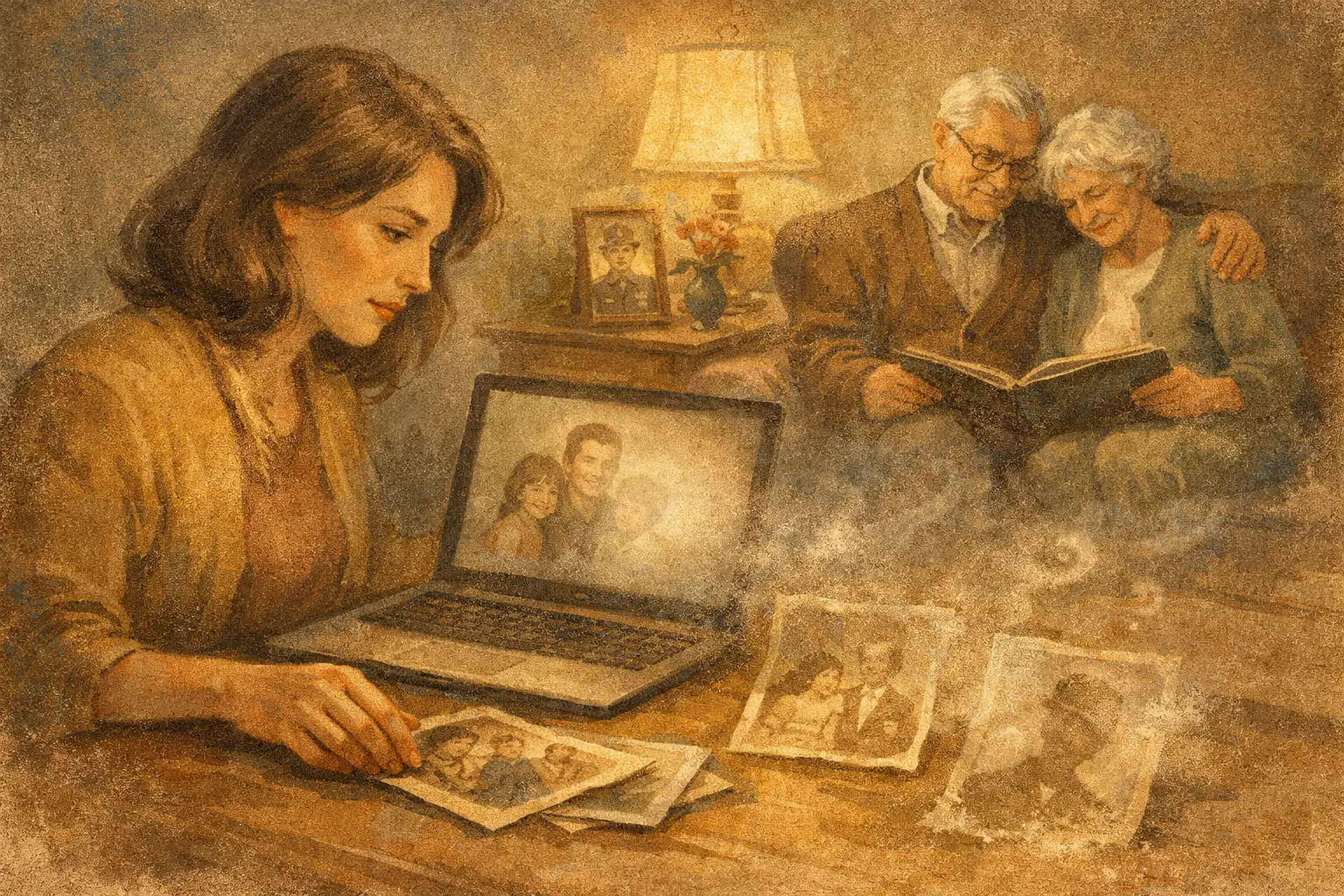
A small QR code on a headstone, urn, or memorial plaque can hold an extraordinary invitation: scan here to hear a familiar laugh, a favorite story, or words recorded for the people left behind. But memorial link expiry can turn that invitation into a dead end. For a family returning years later, that is not a minor technical inconvenience. It can feel like losing something precious for a second time.
A digital memorial should be chosen with the same care as the physical marker beside it. Families deserve to know what happens to the page, recordings, photographs, and QR code over time - not only this year, but decades from now.
What Does Memorial Link Expiry Mean?
Memorial link expiry is the loss of access to a digital memorial page because the web address, QR destination, account, or underlying service is no longer active. A QR code itself does not usually “wear out.” It is simply a scannable image that directs a phone to a web address. The risk lies in what happens at that address.
If a company closes, a subscription ends, a domain changes, an account is deleted, or a provider removes older content, a QR code may continue to scan while leading nowhere useful. In some cases, it may display an error page. In others, it may point to a generic home page with no trace of the person it once honored.
This distinction matters. A plaque can be made to last outdoors for years. Yet the memorial experience connected to it depends on digital stewardship, clear policies, and thoughtful planning.
Why Expiring Memorial Links Hurt So Deeply
Digital memorials are often created during a period of grief, when families are making many decisions quickly. It is understandable to focus on the immediate needs: choosing a photo, writing an obituary, arranging a service, or selecting a marker. Questions about access ten or twenty years from now may not feel urgent.
They become urgent later.
A grandchild might scan the code for the first time after hearing a parent mention their grandmother’s singing voice. A spouse may return on an anniversary hoping to replay a message that brought comfort. A relative who lives across the country may want to add a memory after years of distance. When access has disappeared, the loss is practical and emotional at once.
Text and photographs preserve important details. A voice preserves presence. The pauses, humor, cadence, accent, and tenderness in someone’s words are often what family members miss most. That is why the long-term reliability of a memorial page deserves more than a quick glance at a pricing page.
Common Reasons a Memorial Link Stops Working
Not every memorial service has the same model, and a link does not fail for only one reason. Still, families should understand the most common vulnerabilities before selecting a provider.
A subscription ends or a renewal is missed
Some services offer an appealing low initial cost but require annual or monthly payments to keep the page live. If the original account holder dies, email reminders go unseen, a credit card expires, or relatives do not know a renewal is due, access can be interrupted or permanently removed.
Subscriptions are not automatically wrong. They may make sense for services requiring frequent, active management. For a memorial intended to remain available across generations, however, recurring billing can place a quiet burden on people who were never part of the original decision.
The provider changes direction or closes
Technology companies evolve. A platform may be sold, renamed, folded into another product, or shut down. A business can also close without a clear path for preserving customer content. Even a well-designed memorial page cannot remain available if the organization behind it no longer maintains the service.
No company can honestly promise that every part of the internet will look the same forever. What matters is whether the provider has a clear commitment to long-term preservation, a sustainable business model, and a practical plan for families if technology changes.
The web address changes
A memorial page can disappear even when the recordings still exist somewhere. If a company changes domains, restructures its site, or alters how memorial pages are addressed, old QR codes may not automatically follow the new location. Redirects can help, but they need to be maintained over time.
This is why the QR code and the underlying web address should be treated as part of the memorial itself, not as a temporary marketing detail.
Ownership and access are unclear
Sometimes the issue is not technical at all. One family member creates an account, stores the password privately, and never gives anyone else access. After a death, relatives may not know how to manage the page, download original recordings, approve contributions, or update contact information.
A meaningful memorial should make room for family continuity. The people who will carry the story forward should be able to participate without needing to untangle a locked account during an already difficult time.
Questions to Ask Before Creating a QR Memorial
The most reassuring answers are plain, specific, and available before you purchase. If a provider cannot explain how long a memorial remains accessible, what happens if payments stop, or who controls the content, that uncertainty is worth taking seriously.
Ask whether there are recurring fees and whether a one-time purchase includes ongoing hosting. Ask who owns the recordings, stories, and images, and whether the family can download original files. Ask what happens if the company changes its platform or domain. Finally, ask whether more than one trusted family member can help manage the memorial.
You may also want to ask what is included in the QR-linked experience. Does it preserve only written text, or can visitors hear the person’s own voice? Can family members contribute from different locations? Is the page simple enough for an older relative to use and meaningful enough for a young child to revisit years later?
The goal is not to predict every future change. It is to choose a service that treats your loved one’s memories as a lasting responsibility.
How to Reduce the Risk of Memorial Link Expiry
A well-planned memorial includes both a dependable platform and a family preservation habit. Keep copies of original audio recordings, photos, and written stories in more than one safe place. Share account access or administrator instructions with at least two trusted people. Record the name of the provider, the email used to create the account, and any terms related to long-term access alongside estate or family records.
It is also wise to test the QR code periodically, especially before a cemetery dedication, anniversary gathering, or memorial event. A quick scan can confirm that the page opens properly and that visitors can hear what they came to hear.
For physical plaques, choose materials made for the setting where they will live. Outdoor markers face weather, sunlight, cleaning products, and years of handling. A durable engraving matters, but so does making sure the digital destination behind it has been designed with care.
A Better Standard for Lasting Digital Memorials
Permanence is not merely a word to print on a plaque. It is a set of decisions: no surprise renewal dependence, clear family access, preserved source files, durable physical materials, and a provider built around remembrance rather than short-term engagement.
VoiceForEternity was created around that standard. Its one-time pricing model is intended to give families confidence that a loved one’s QR-linked memorial page, recordings, stories, and shared memories are not dependent on an ongoing subscription. Families can preserve a voice through browser or phone recording, invite contributions, and create a place where remembrance feels personal rather than static.
Still, permanence works best as a partnership. Families should retain their own copies, share responsibilities, and keep the memorial’s details with important family records. Technology can hold a voice close, but loved ones keep its meaning alive by returning, listening, and sharing.
The Link Should Lead Somewhere, Years From Now
When you place a QR code on a memorial, you are creating a future moment for someone you may never meet. It may be a child standing beside a grandparent’s grave, a cousin researching family history, or a friend who simply needs to hear one familiar voice again.
Choose a memorial experience that honors that future visitor. Ask direct questions about memorial link expiry, protect the original memories, and make access part of the legacy you leave behind. Their story deserves more than a code that scans. It deserves a place where their voice can still be heard.